Table of Contents Hide
- 1. Introduction to Minimalist Small Living Rooms
- 2. Use Light and Neutral Colors
- 3. Choose Space-Saving Furniture
- 4. Keep the Layout Open and Simple
- 5. Maximize Natural Light
- 6. Reduce Clutter with Smart Storage
- 7. Add Mirrors to Create Depth
- 8. Decorate with Fewer but Better Pieces
- 9. Bring Nature Indoors
- 10. Create a Calm and Functional Space
1. Introduction to Minimalist Small Living Rooms
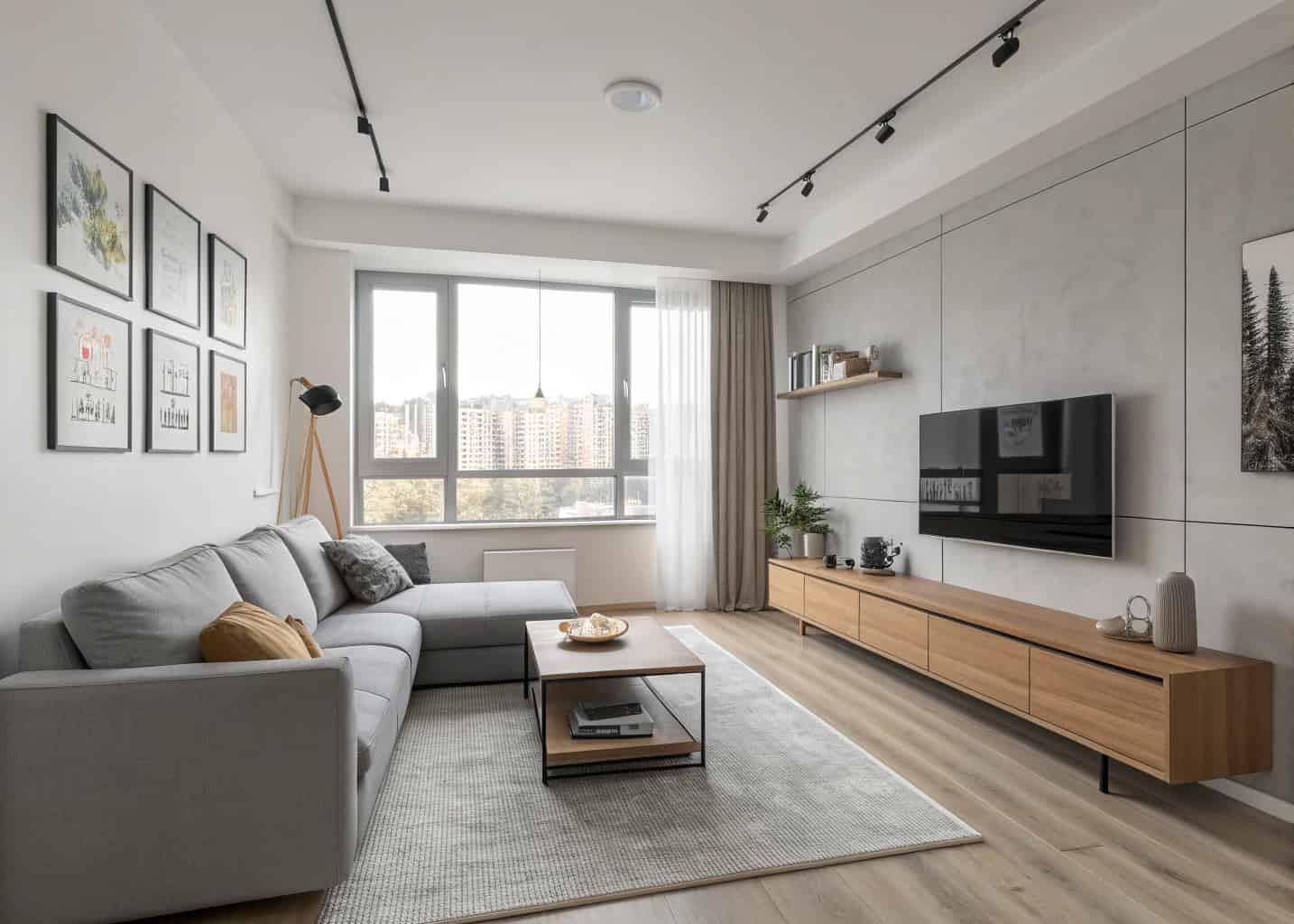
Living in a small apartment does not mean sacrificing style or comfort. A Minimalist Living Room Apartment focuses on simplicity, functionality, and smart design choices that make spaces feel larger. By reducing clutter and choosing furniture carefully, you can create an open and relaxing environment. Minimalism works perfectly for apartments because it highlights space, light, and balance instead of excess decoration. When every item has a purpose, the room looks organized and peaceful. This approach helps small living rooms feel breathable, modern, and visually bigger without requiring expensive renovations.
2. Use Light and Neutral Colors
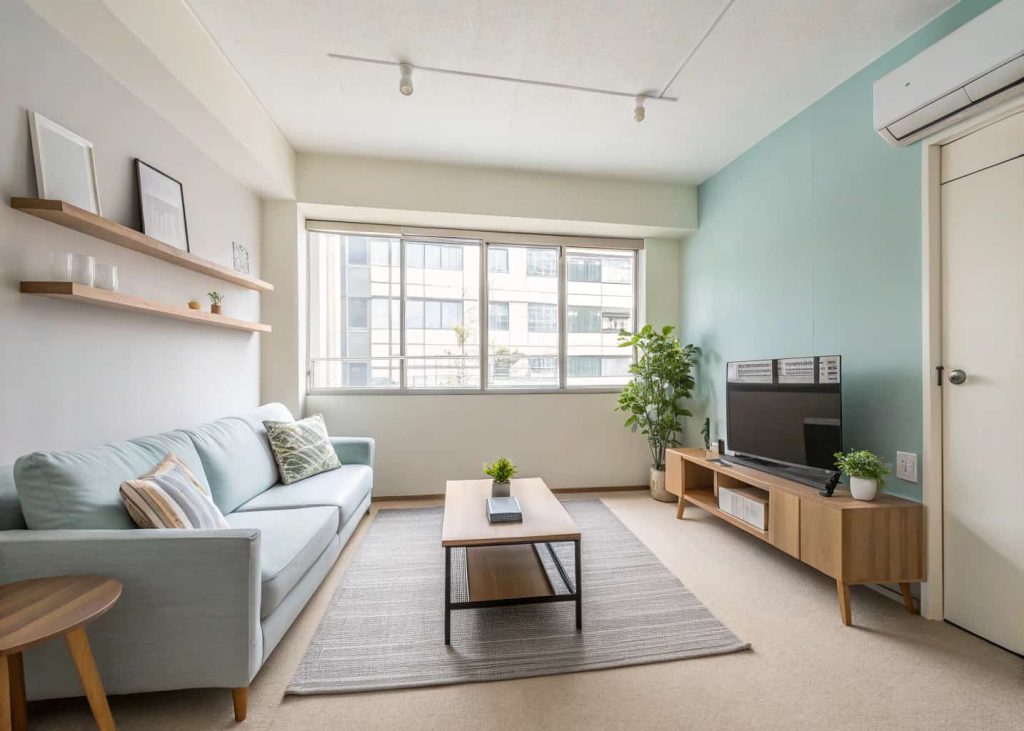
Light colors help small spaces appear bigger and brighter. White, beige, soft gray, and warm neutral tones reflect light and create an airy feeling. Painting walls in lighter shades makes the room feel open and calm. You can layer similar tones through furniture and textiles to avoid a flat look. Avoid dark or heavy colors on large surfaces because they can make the room feel smaller. Instead, add subtle contrast through cushions or small decor items while keeping the overall palette soft and balanced for a minimalist aesthetic.
3. Choose Space-Saving Furniture
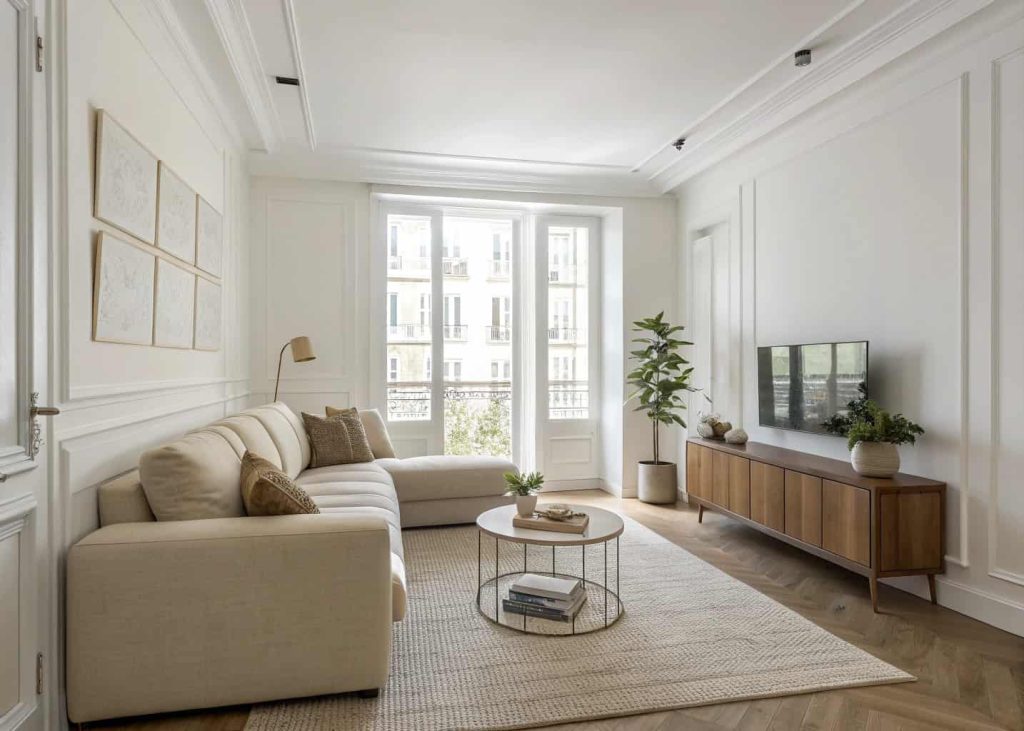
Furniture selection is very important in small minimalist apartments. Choose compact pieces that do not overwhelm the room. A slim sofa, nesting tables, or foldable furniture works well in limited spaces. Multi-functional furniture, such as storage ottomans or sofa beds, helps maximize usability without adding clutter. Furniture with exposed legs creates visual openness because more floor area is visible. Avoid oversized items and focus on pieces that are both stylish and practical, allowing your living room to remain comfortable while maintaining a spacious appearance.
4. Keep the Layout Open and Simple
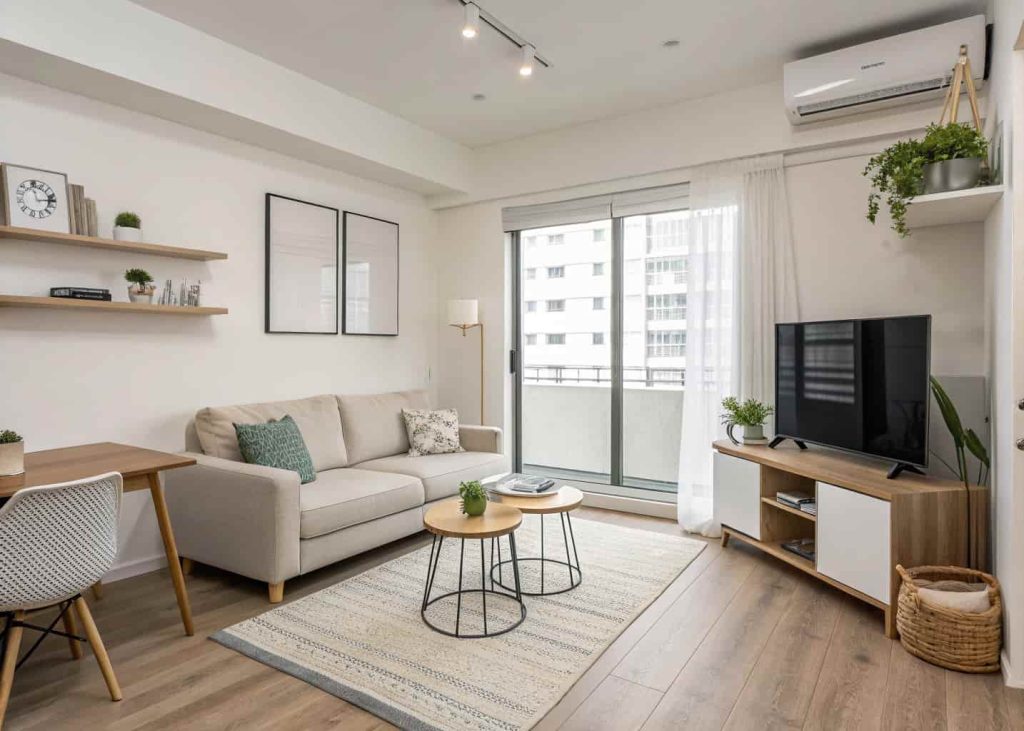
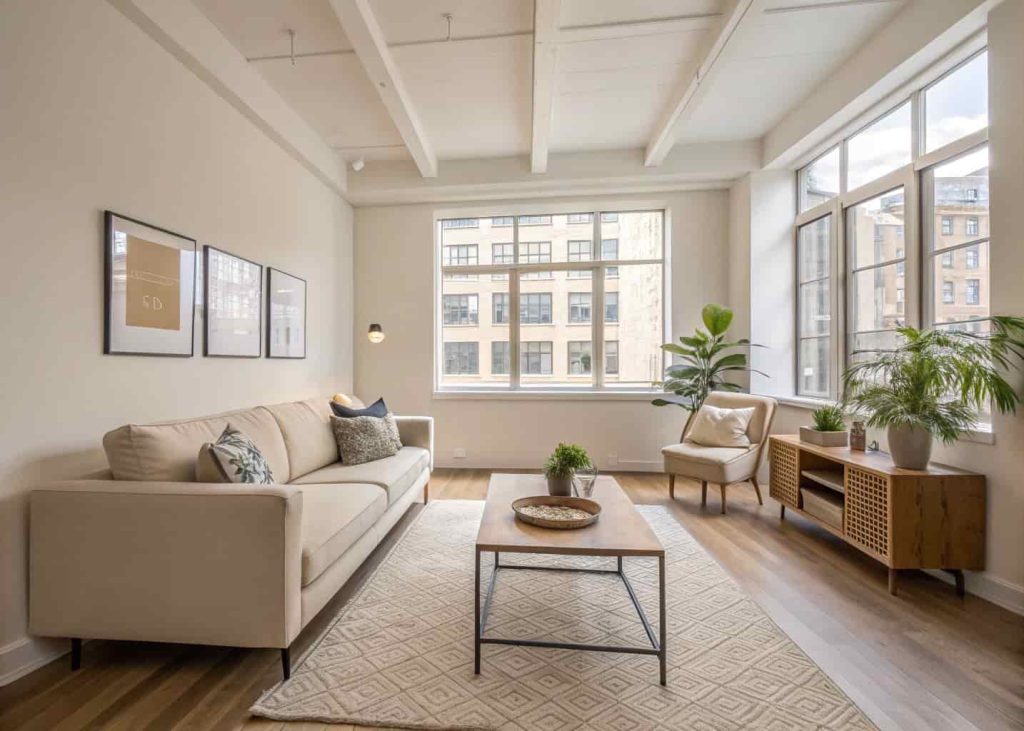
An open layout makes a small living room feel less crowded. Avoid placing too many items close together or blocking pathways. Arrange furniture to allow easy movement and clear sightlines across the room. Position seating near walls or corners to free up central space. Minimalist design values empty space as much as furniture because it creates visual balance. Keeping the layout simple helps the room feel organized and peaceful while improving functionality for daily living in a small apartment.
5. Maximize Natural Light
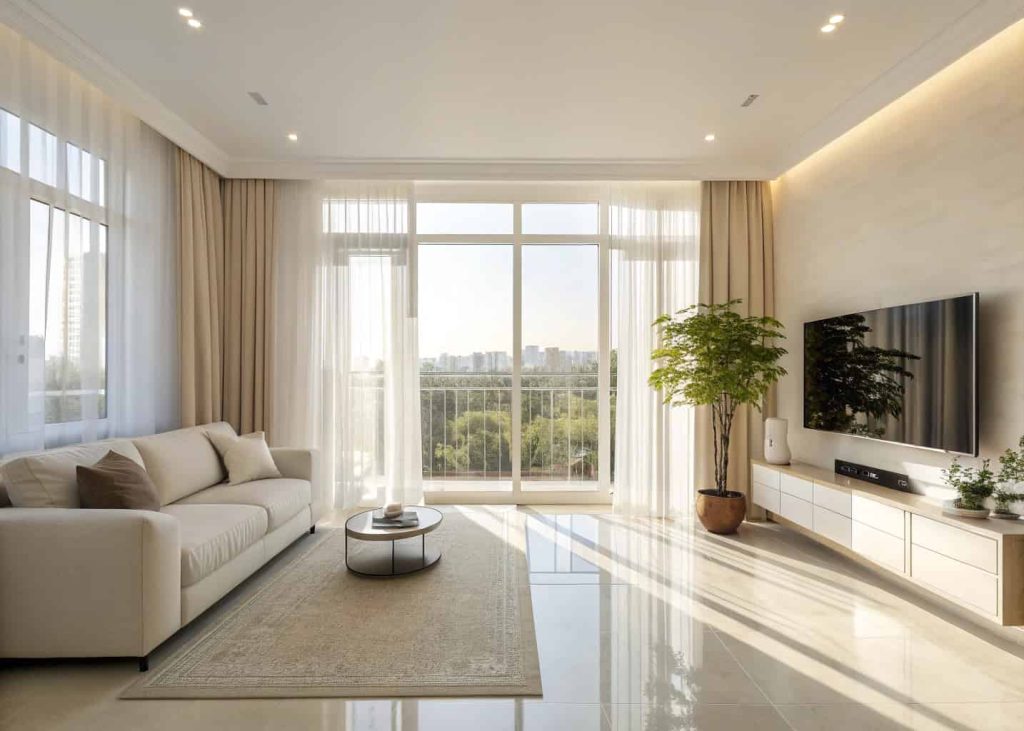
Natural light is one of the easiest ways to make a small living room feel bigger. Use sheer curtains or leave windows uncovered to allow sunlight to enter freely. Bright spaces look more open and welcoming. Mirrors placed opposite windows can reflect light and create the illusion of extra space. Avoid heavy drapes or dark blinds that block brightness. A well-lit minimalist room enhances clean lines and highlights simplicity, making even the smallest apartment living room feel fresh and spacious.
6. Reduce Clutter with Smart Storage
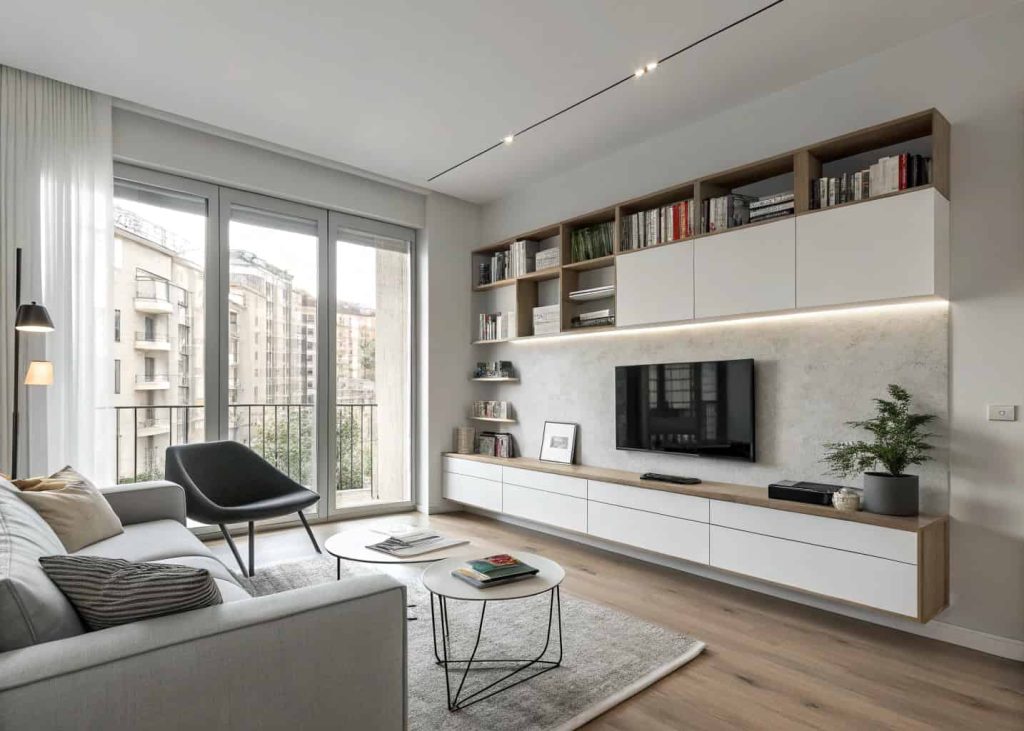
Clutter quickly makes small spaces feel cramped, so smart storage is essential. Use wall-mounted shelves, hidden cabinets, or furniture with built-in storage. Floating shelves keep items organized without taking floor space. Storage baskets in neutral tones help hide everyday items while maintaining a clean look. Keeping surfaces clear creates visual calm and supports minimalist living. When everything has its place, the room feels larger, more functional, and easier to maintain, which is perfect for apartment lifestyles.
7. Add Mirrors to Create Depth
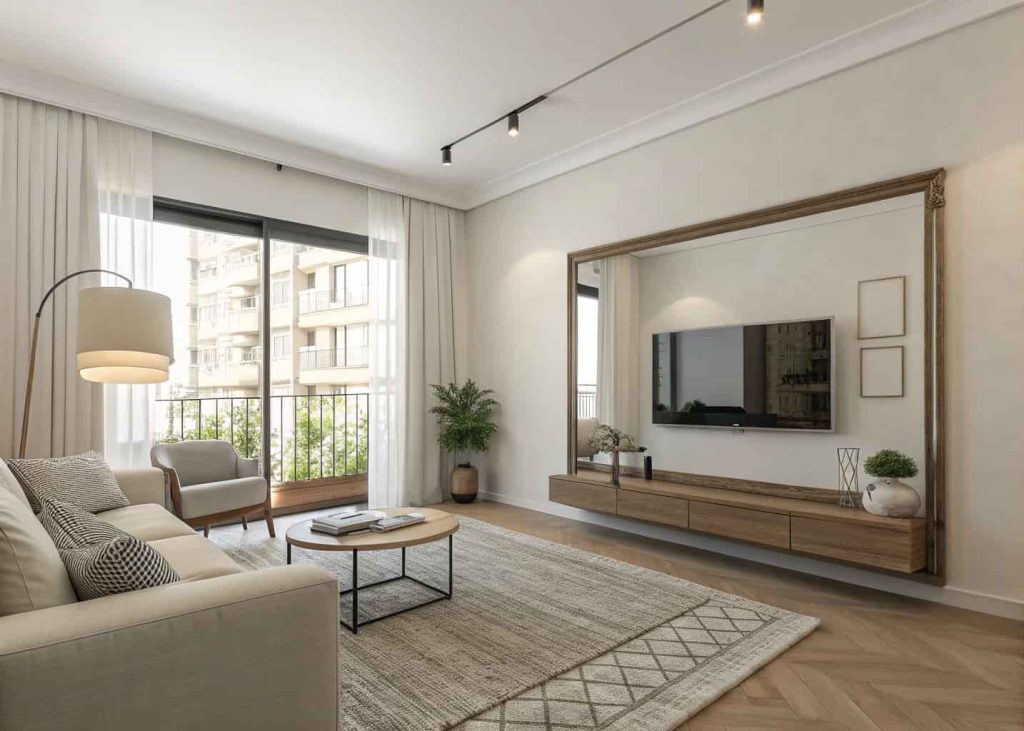
Mirrors are a powerful design trick for small living rooms. They reflect light and visually double the space, making the apartment feel larger. A large wall mirror or mirrored decor piece works best in minimalist interiors. Keep frames simple to match the clean aesthetic. Placing mirrors behind furniture or across from windows enhances brightness and depth. This simple addition transforms the atmosphere without adding clutter, helping small apartments achieve a more open and elegant appearance.
8. Decorate with Fewer but Better Pieces
Minimalist decor means choosing quality over quantity. Instead of many small decorations, select one statement artwork or a few meaningful accessories. Simple wall art, a ceramic vase, or a modern lamp can add personality without overwhelming the space. Keep tables and shelves mostly clear to maintain visual balance. Thoughtful decoration helps the room feel stylish while still supporting the minimalist principle of simplicity and calm living.
9. Bring Nature Indoors
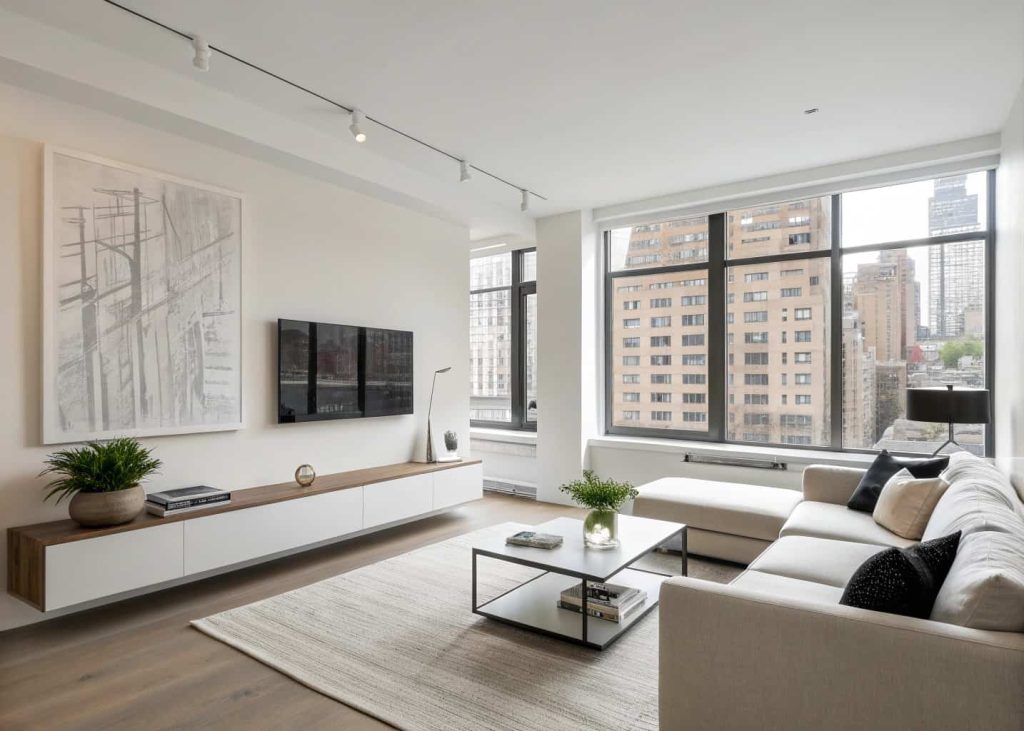
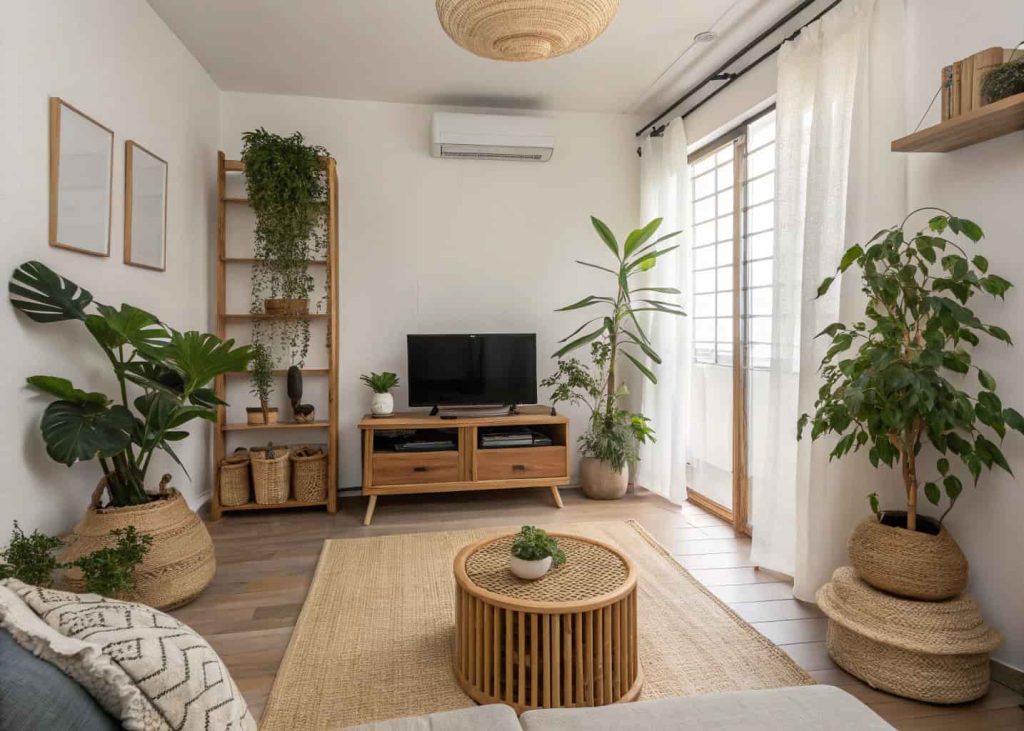
Adding natural elements makes a minimalist space feel warm and inviting. Indoor plants introduce color and life without creating visual noise. Choose easy-care plants like snake plants or pothos in simple pots. Natural materials such as wood, cotton, or linen also enhance comfort while keeping the design minimal. These elements soften the modern look and create a relaxing environment, helping small living rooms feel cozy yet uncluttered.
10. Create a Calm and Functional Space
A minimalist living room apartment is not just about appearance; it supports a calm lifestyle. By focusing on essential furniture, light colors, and organized layouts, small spaces can feel surprisingly spacious. Minimalism encourages intentional choices that improve comfort and reduce stress. When the room is clean, bright, and functional, it becomes a peaceful place to relax and enjoy daily life. With thoughtful design, even the smallest apartment living room can feel modern, stylish, and beautifully open.