Introduction
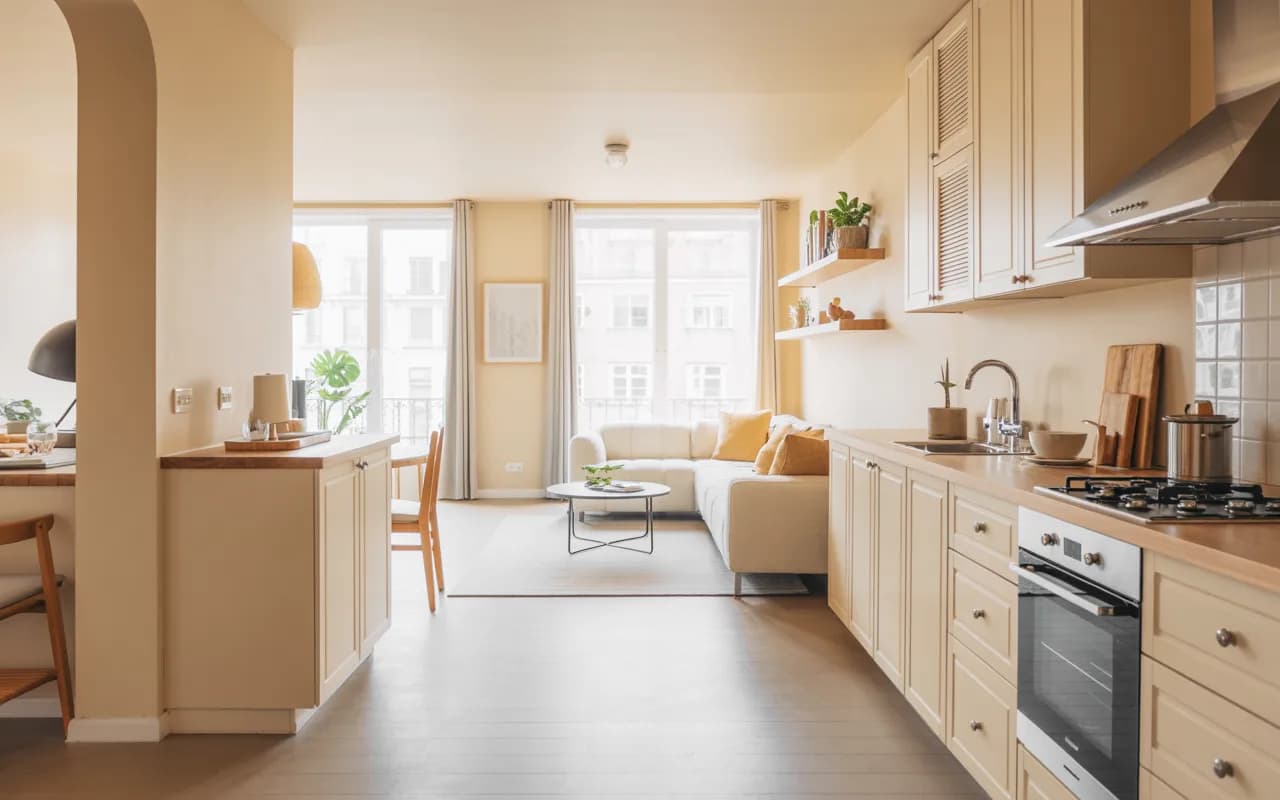
A small kitchen and living room combo is a common feature in modern apartments and compact homes. Combining these two areas allows for a more open, airy space while saving square footage. However, designing a small combo space requires thoughtful planning to ensure it remains stylish, functional, and comfortable. The key is to create a seamless flow between cooking, dining, and lounging areas while maintaining a sense of separation where needed. In this article, you will discover practical and beautiful ideas for making a small kitchen and living room combo both stylish and functional.
Understanding the Challenges of a Small Combo Space
Small kitchen and living room combos come with unique challenges, including limited floor space, storage constraints, and potential clutter. Poorly planned layouts can make the space feel cramped and uncomfortable. Additionally, cooking smells or noise from the kitchen may interfere with relaxation in the living room. Understanding these challenges is the first step in designing a combo area that feels balanced. With smart furniture choices, storage solutions, and thoughtful layout planning, even small spaces can feel spacious, cozy, and highly functional.
Open Layout for Maximum Space
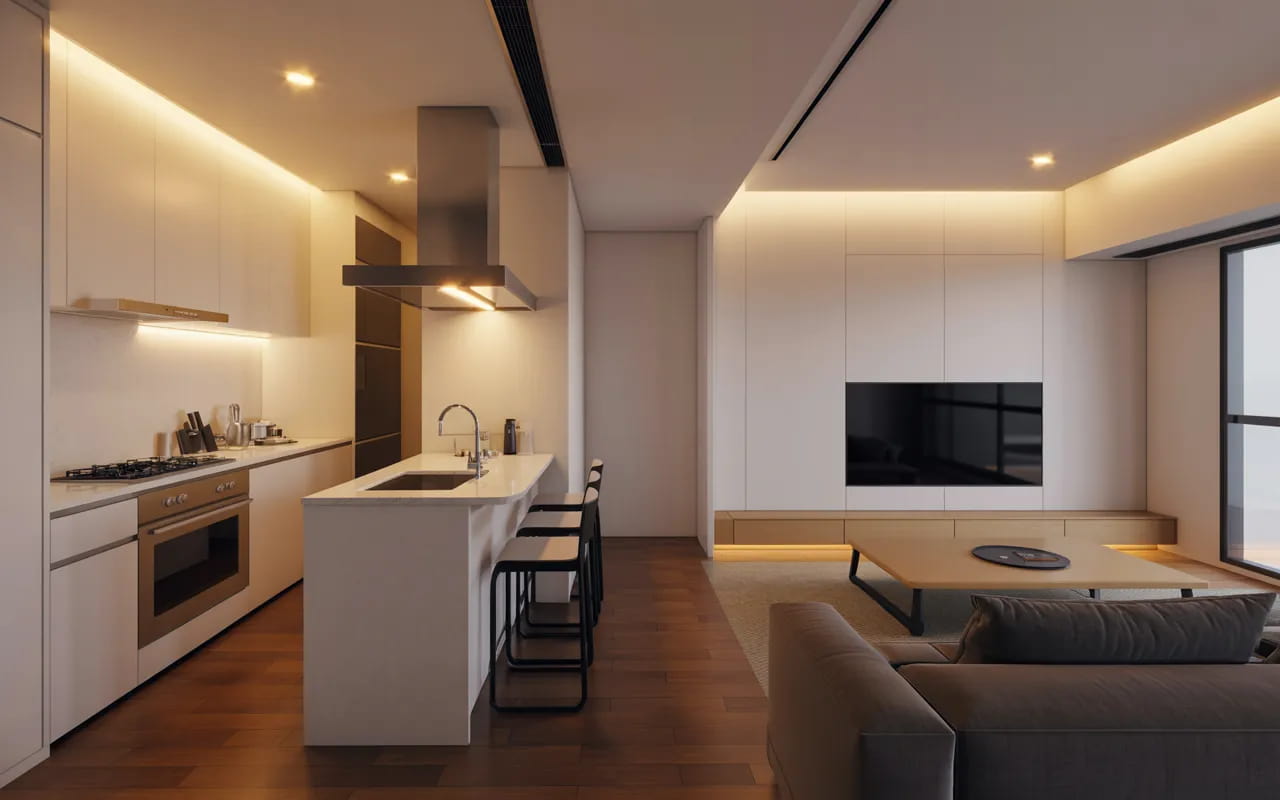
An open layout is essential for a small kitchen and living room combo. Avoid unnecessary walls or partitions that block natural light. Keeping the space open makes the area feel larger and more connected. Use consistent flooring throughout the combo space to unify the two areas visually. The open layout also allows family members to interact while cooking or relaxing. Maintaining clear sightlines enhances the sense of space and makes the combo area feel bright and inviting.
Neutral Colors to Expand the Space
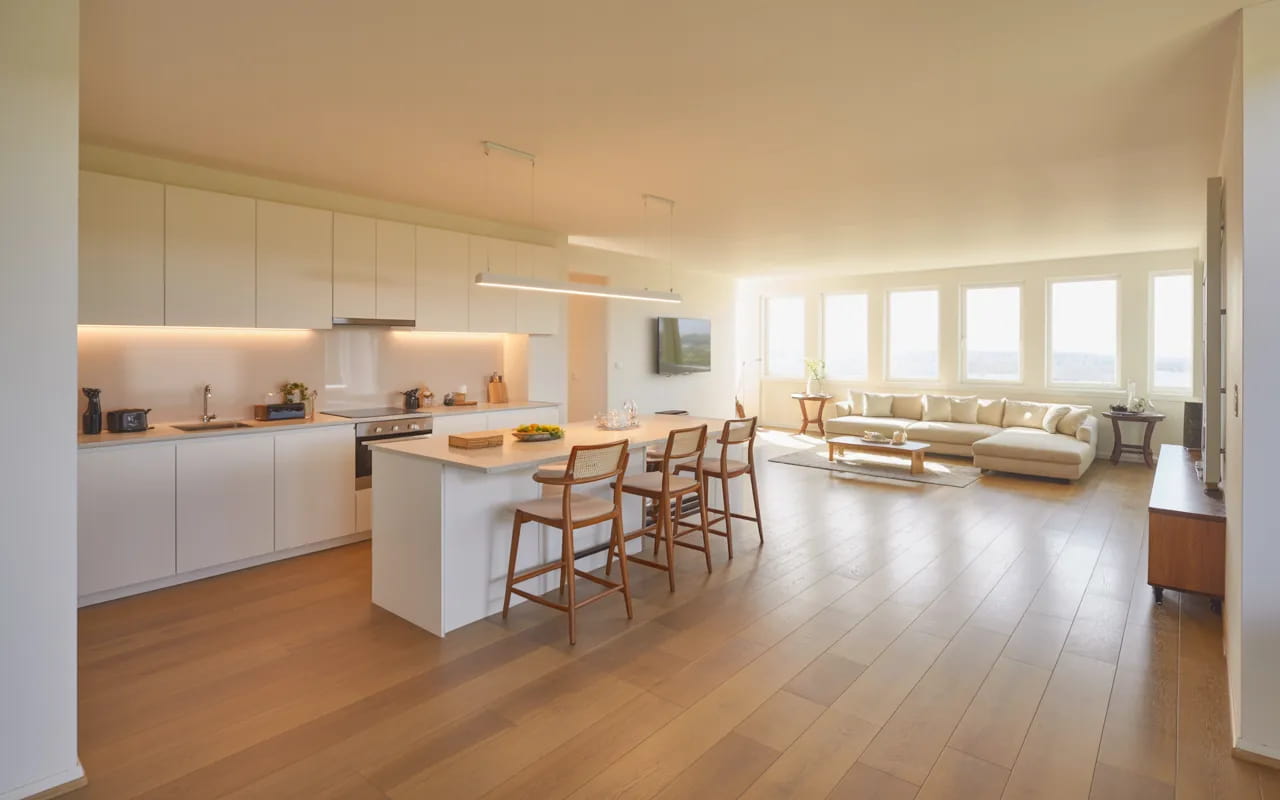
Neutral colors help make small kitchen and living room combos feel larger and brighter. Shades like white, cream, soft gray, and beige reflect light and create a clean backdrop. Neutral walls also allow furniture, cabinets, and decor items to stand out without overwhelming the space. Adding subtle pops of color through cushions, rugs, or kitchen accessories creates personality while maintaining openness. A cohesive color palette ties the kitchen and living room together visually, enhancing the feeling of a unified, spacious area.
Compact and Functional Furniture
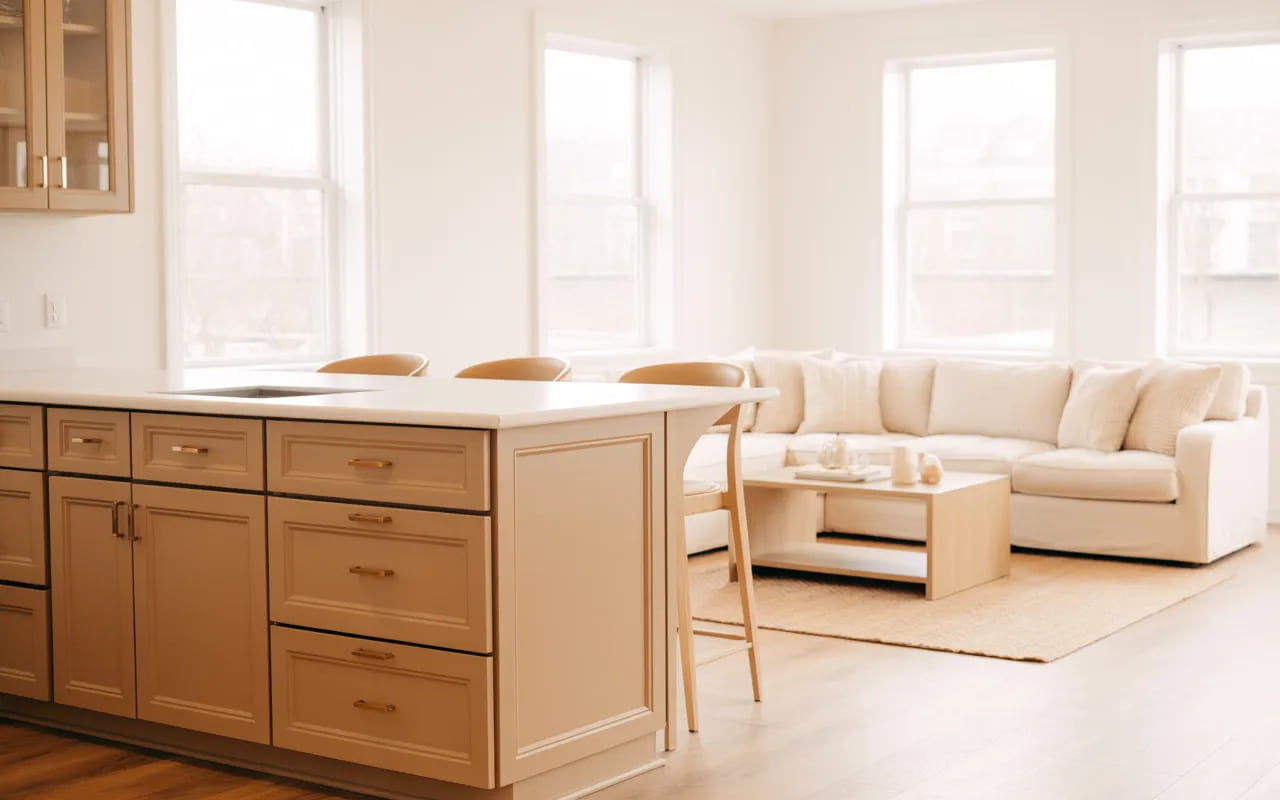
Choosing compact, functional furniture is crucial in a small combo space. Opt for sofas, chairs, and dining tables that fit proportionally without crowding the room. Multipurpose furniture, like a storage ottoman or foldable dining table, adds convenience. Sleek chairs and low-profile sofas prevent the space from feeling cramped. Furniture with exposed legs allows light to pass underneath, enhancing the sense of openness. Smart furniture choices help maximize usable space while keeping the area stylish and functional.
Smart Storage Solutions
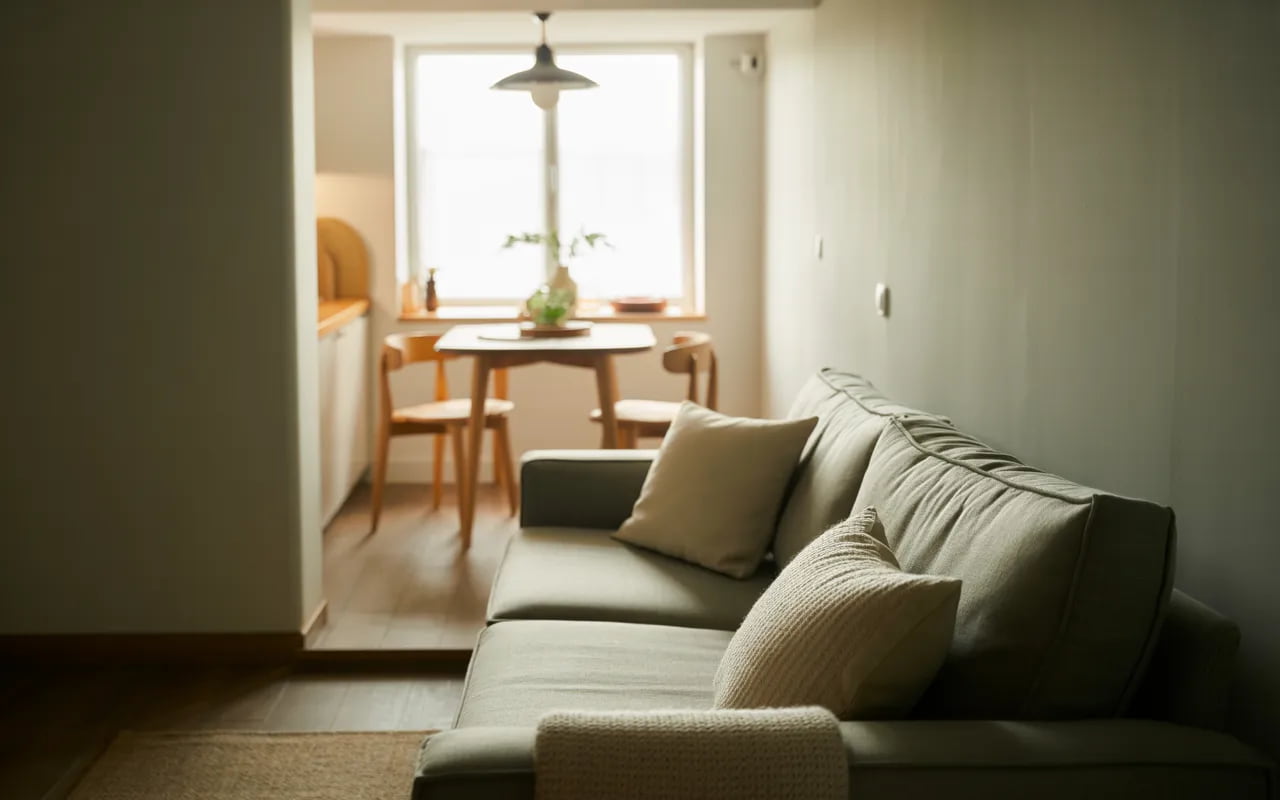
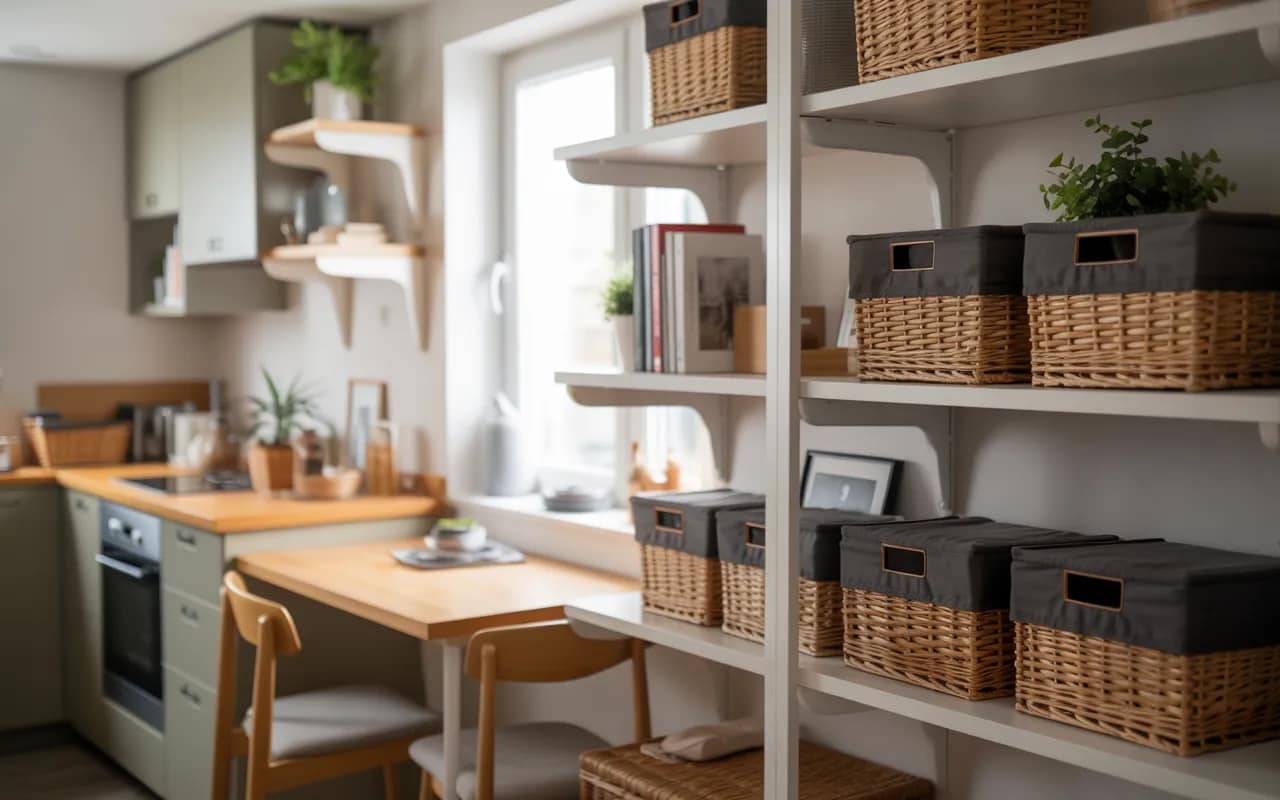
Storage is often a challenge in small kitchen and living room combos. Use vertical space with wall-mounted shelves, tall cabinets, and floating storage units. Baskets and hidden compartments help keep clutter out of sight. In the kitchen, use pull-out drawers, hanging racks, and magnetic knife strips to maximize efficiency. In the living area, built-in shelving or storage ottomans can hold books, electronics, or decor. Clever storage solutions keep the combo space organized, making it feel larger and more comfortable.
Creating Defined Zones
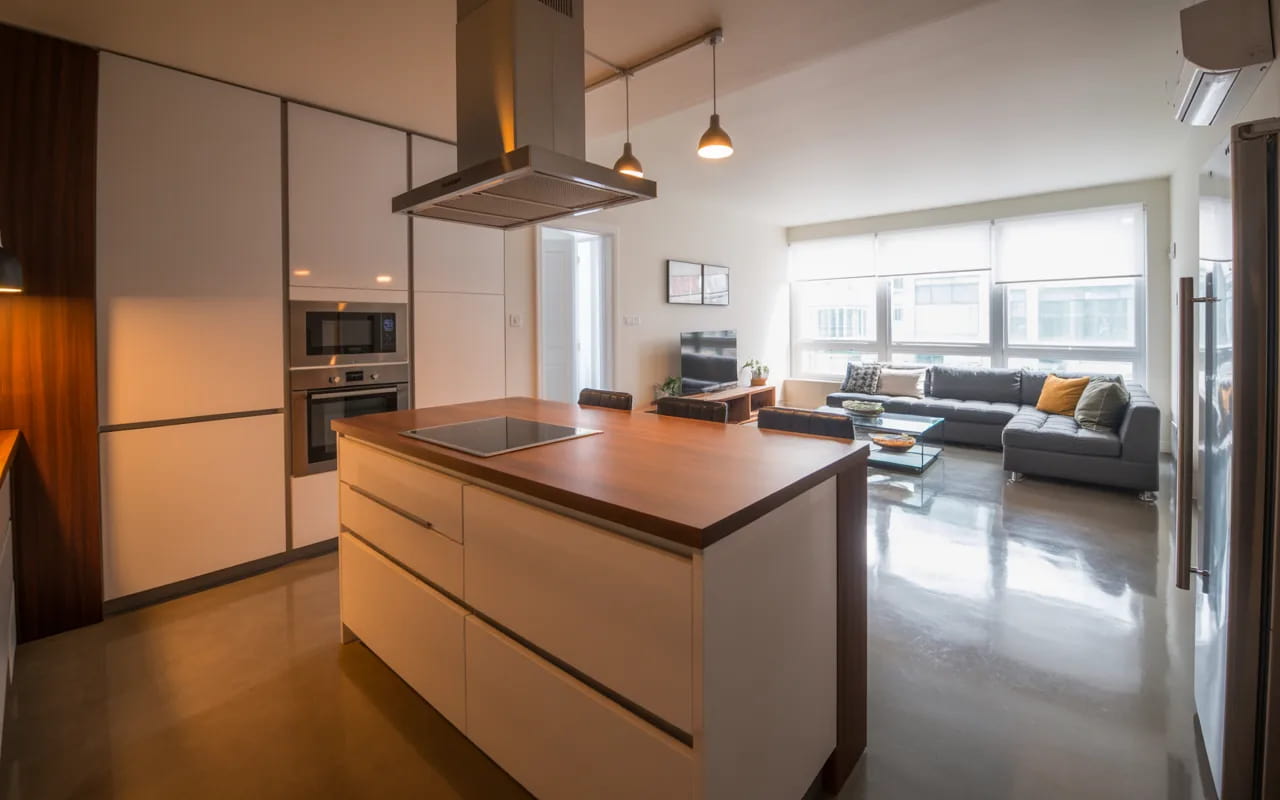
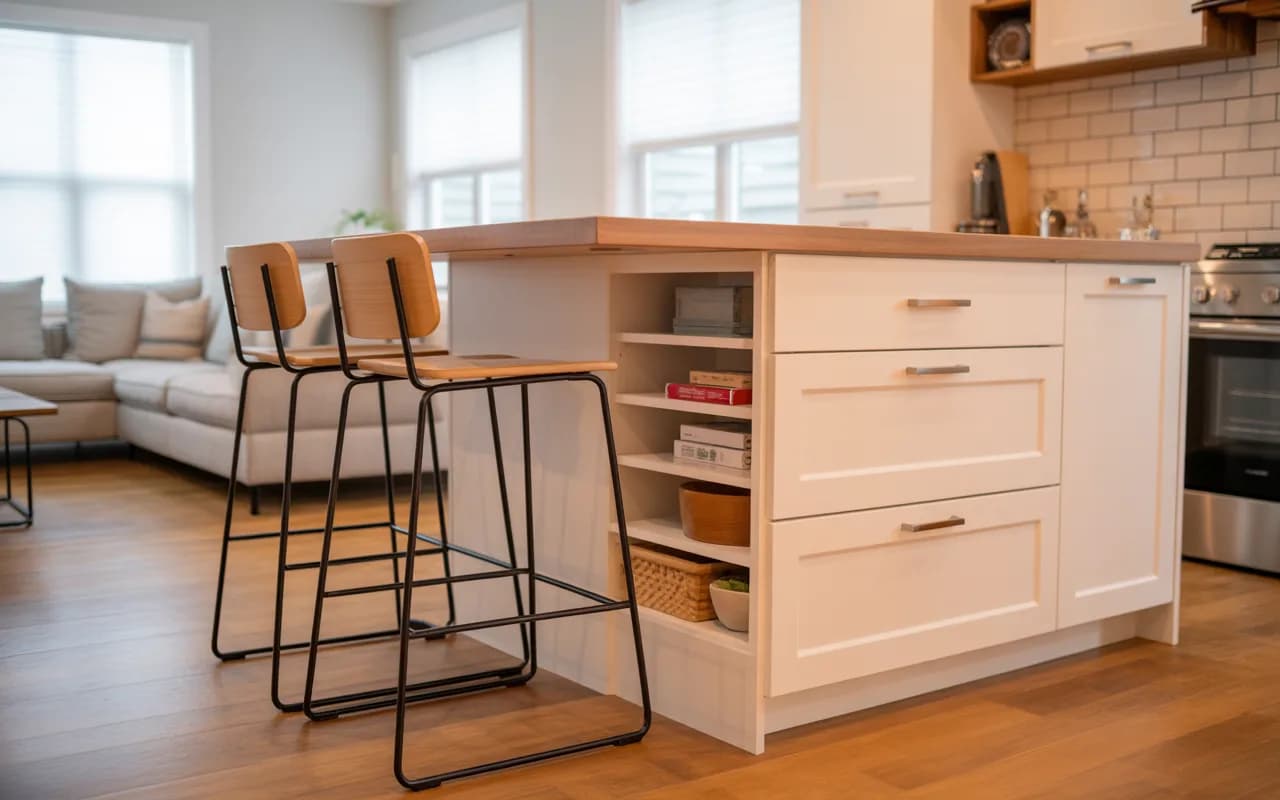
Even in an open layout, defining separate zones for the kitchen and living area helps maintain functionality. Rugs, furniture placement, and lighting can create subtle boundaries. A kitchen island or breakfast bar can act as a visual divider between cooking and lounging areas. Keeping pathways clear ensures easy movement and flow between zones. Proper zoning helps the combo space feel organized and intentional rather than chaotic or cramped.
Maximizing Natural Light
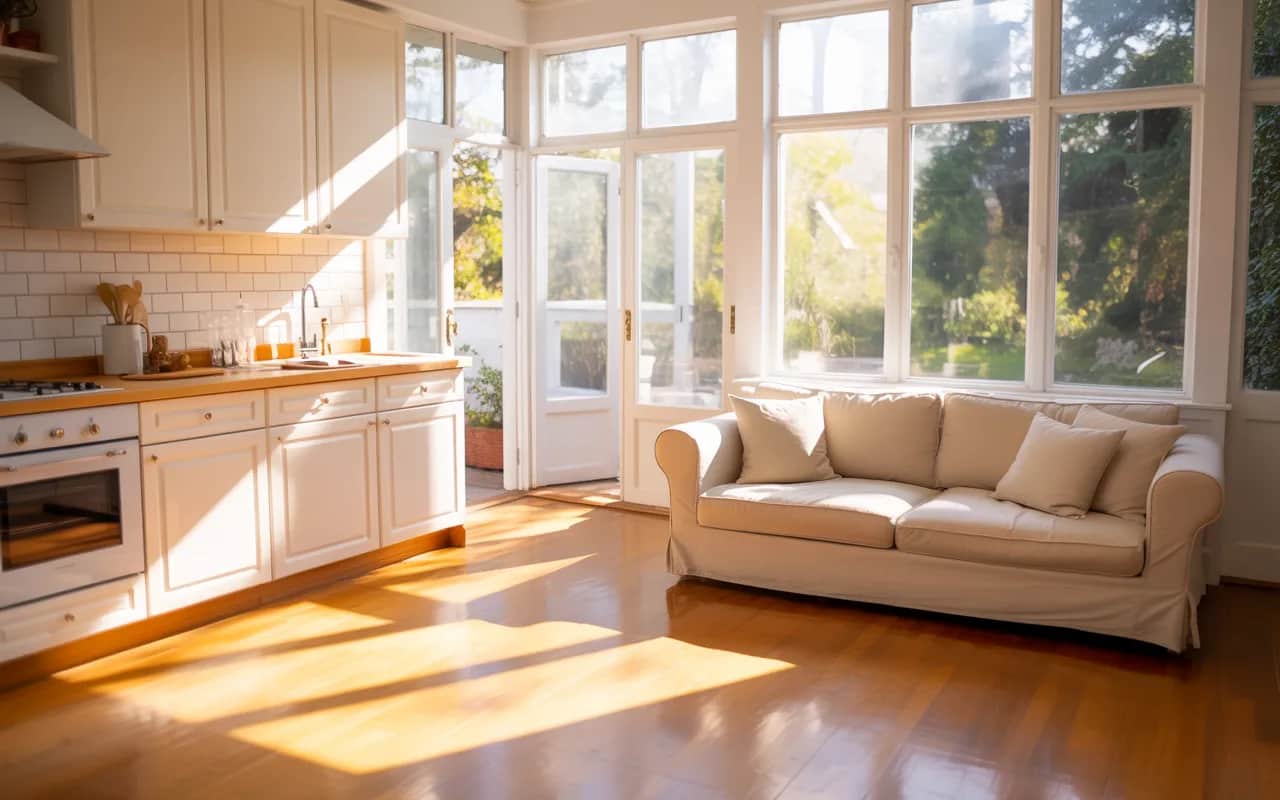
Natural light is key to making small spaces feel bigger. Keep windows unobstructed and use sheer curtains to allow light to flow. Reflective surfaces like glossy cabinets or glass tabletops enhance brightness. In smaller combos, every bit of sunlight helps the space feel open and inviting. Light also highlights textures, colors, and materials, making the area feel fresh and comfortable for both cooking and relaxing.
Multipurpose Kitchen Island
A multipurpose kitchen island is a great addition to a small combo space. It can serve as extra counter space, storage, dining, or even a casual workspace. Choose a slim island to avoid overcrowding the room. Islands with built-in shelves or drawers maximize functionality. A strategically placed island helps separate kitchen and living zones while maintaining an open, airy feel, making it perfect for compact layouts.
Coordinated Decor and Textures
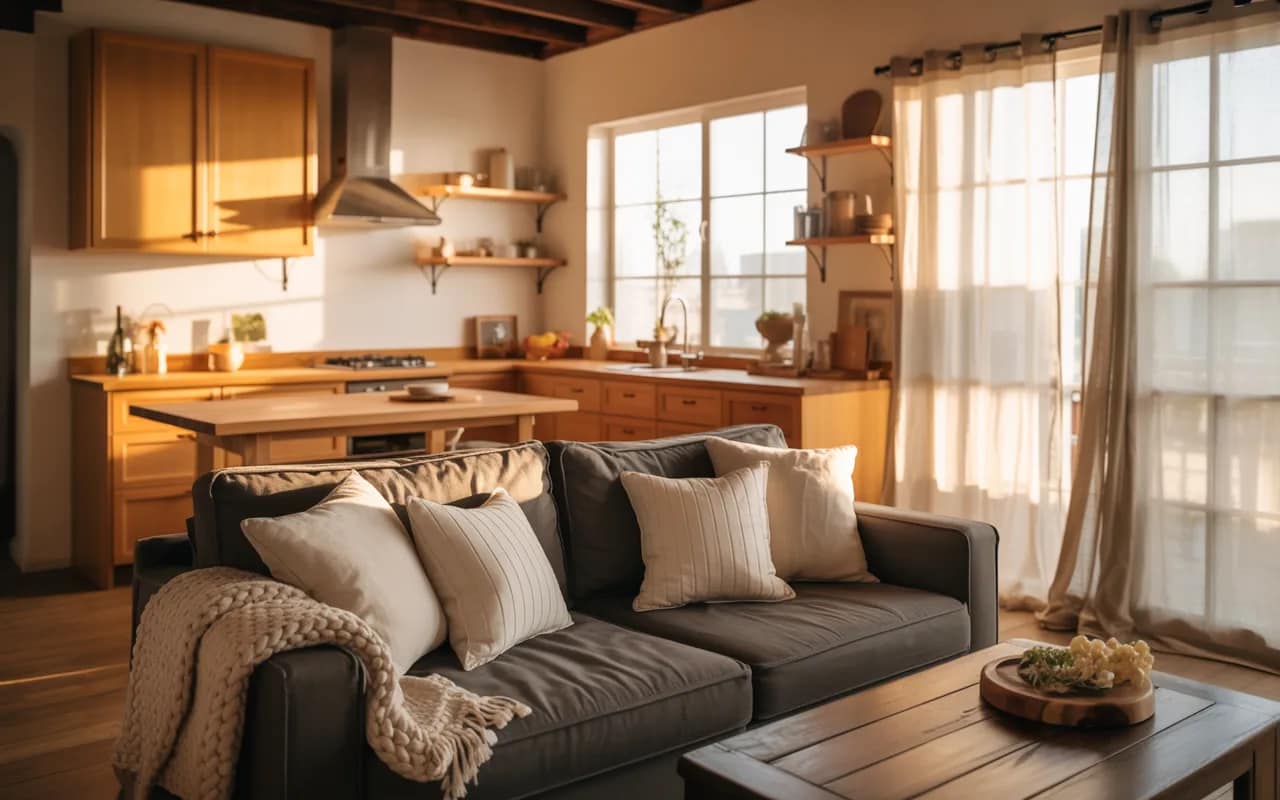
Coordinating decor between the kitchen and living room helps unify the space. Use complementary materials and colors for cabinets, furniture, and accessories. For example, wooden accents in the kitchen can be mirrored in coffee tables or shelves. Soft textiles, like rugs and cushions, add warmth to the living area. Coordinated decor creates visual harmony and ensures the combo space feels cohesive rather than disjointed.
Using Mirrors to Create Depth
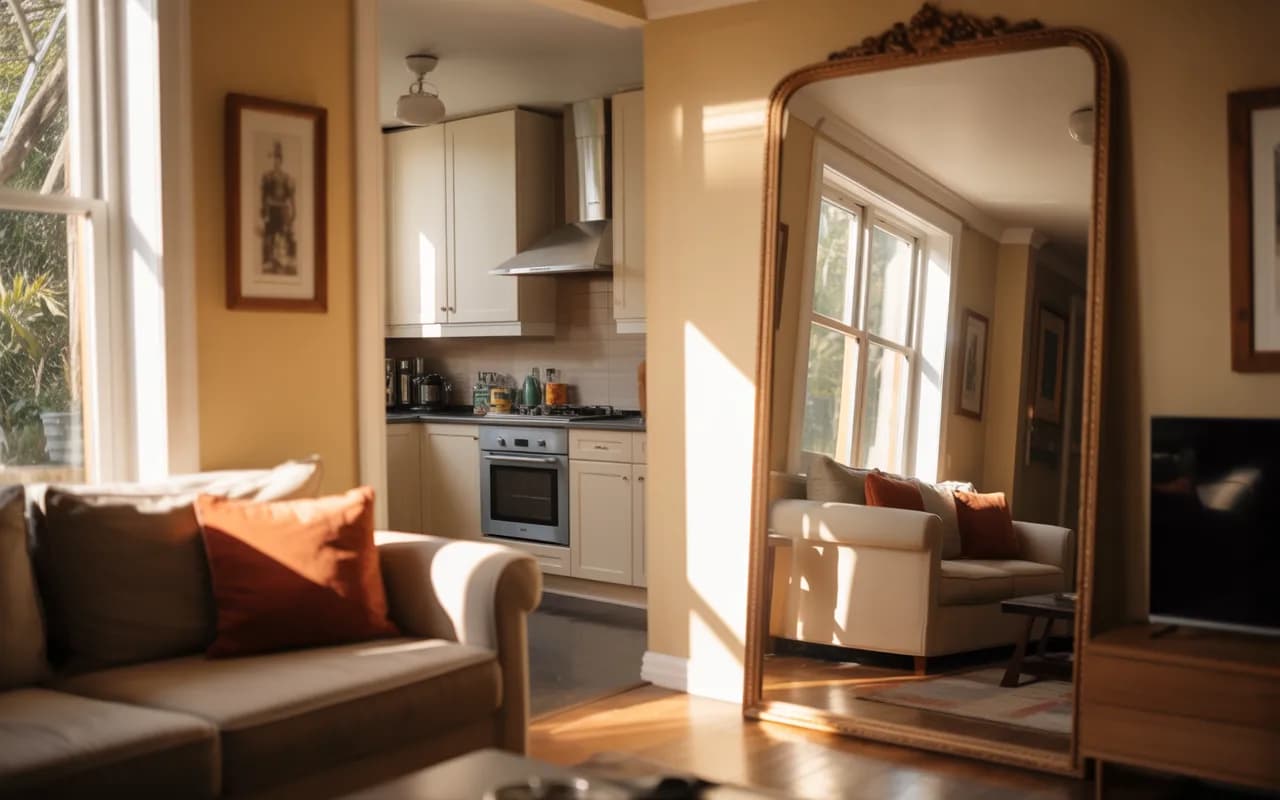
Mirrors are an excellent trick to visually expand small spaces. Placing a mirror on a wall opposite a window or near the dining area reflects light and gives the illusion of more space. Mirrors can also act as decorative elements, enhancing the style of both kitchen and living room. In combo areas, they help unify the two zones and prevent the room from feeling cramped.
Layered Lighting for Function and Mood
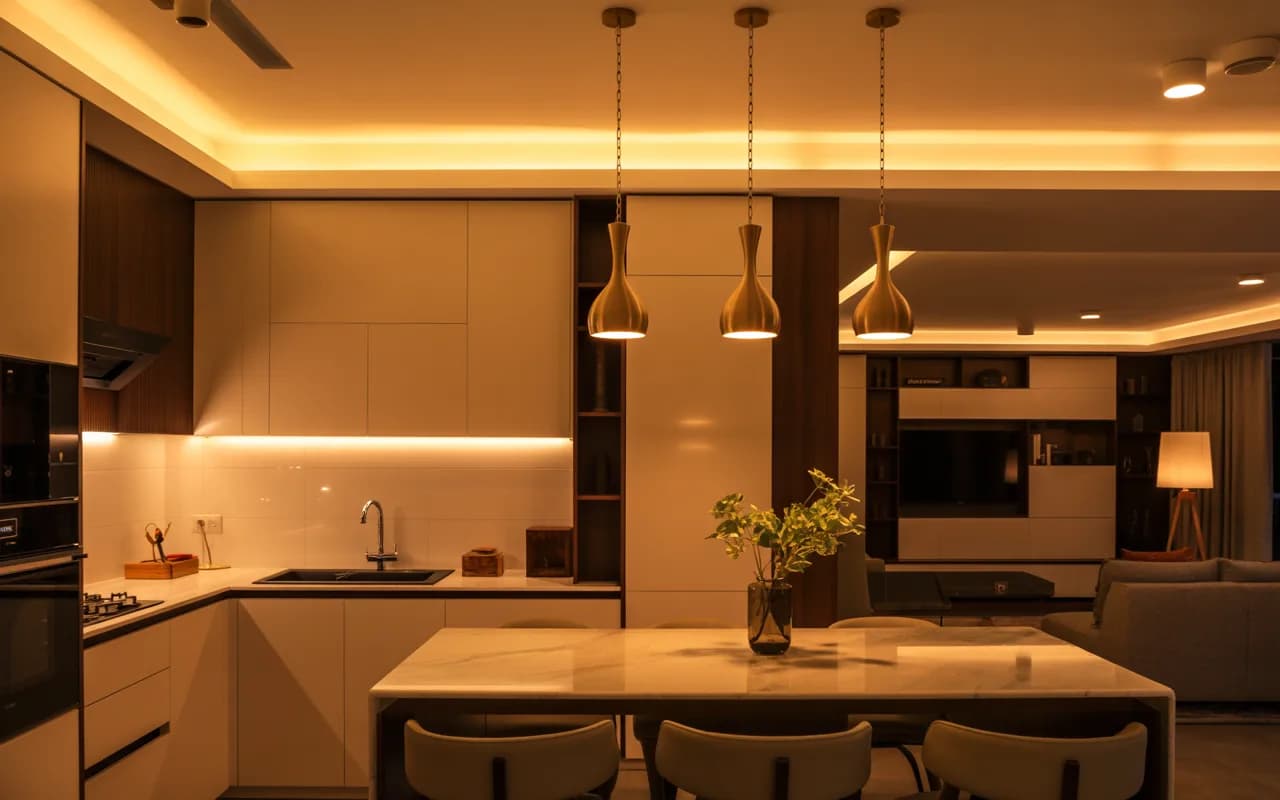
Layered lighting ensures a small kitchen and living room combo is both functional and cozy. Use a mix of ceiling lights, pendant lamps, under-cabinet lights in the kitchen, and floor or table lamps in the living area. This allows flexibility for cooking, dining, or relaxing. Warm lighting creates a comfortable ambiance, while task lighting ensures practicality in kitchen workspaces. Proper lighting enhances the feeling of space and adds visual interest.
Minimalist Design to Reduce Clutter
Keeping the design minimalist is essential in small combos. Avoid bulky furniture, excessive decor, or too many small items. Focus on essentials that are functional and stylish. Clean lines, simple colors, and organized layouts make the space feel open and calm. A minimalist approach prevents visual clutter and ensures that both the kitchen and living areas remain comfortable and practical.
Compact Dining Solutions
For a small combo space, a compact dining solution is ideal. Consider foldable tables, wall-mounted drop-leaf tables, or small breakfast bars. Bar stools or stackable chairs save space and can be tucked away when not in use. Compact dining areas integrate seamlessly into the open plan, providing functionality without overwhelming the room.
Adding Greenery for Freshness
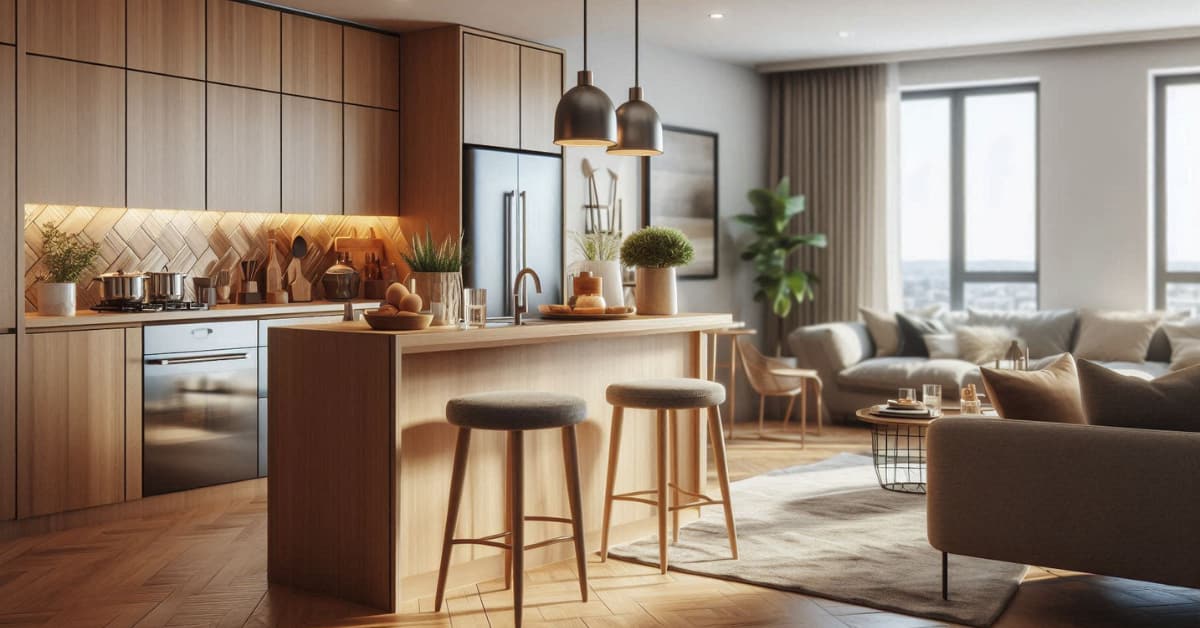
Plants add life and freshness to a small kitchen and living room combo. Small potted plants on countertops, hanging planters, or a corner indoor tree enhance visual appeal. Greenery softens hard surfaces and connects the space to nature. In combo areas, strategically placed plants can act as subtle dividers or accents without cluttering the room.
Using Rugs to Define Areas
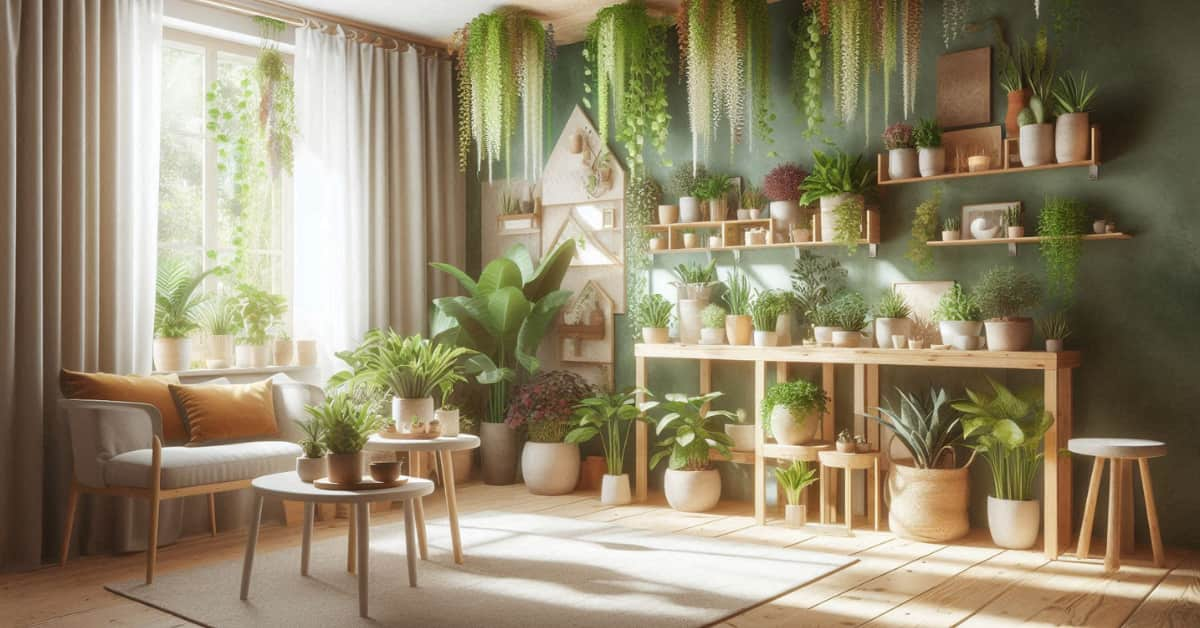
Rugs are a simple way to define separate zones in a small kitchen and living room combo. A rug under the living area sofa or dining space visually separates the zones while adding texture and warmth. Choose light or neutral-colored rugs to keep the space feeling open. Properly sized rugs enhance both style and comfort without crowding.
Stylish Storage Cabinets
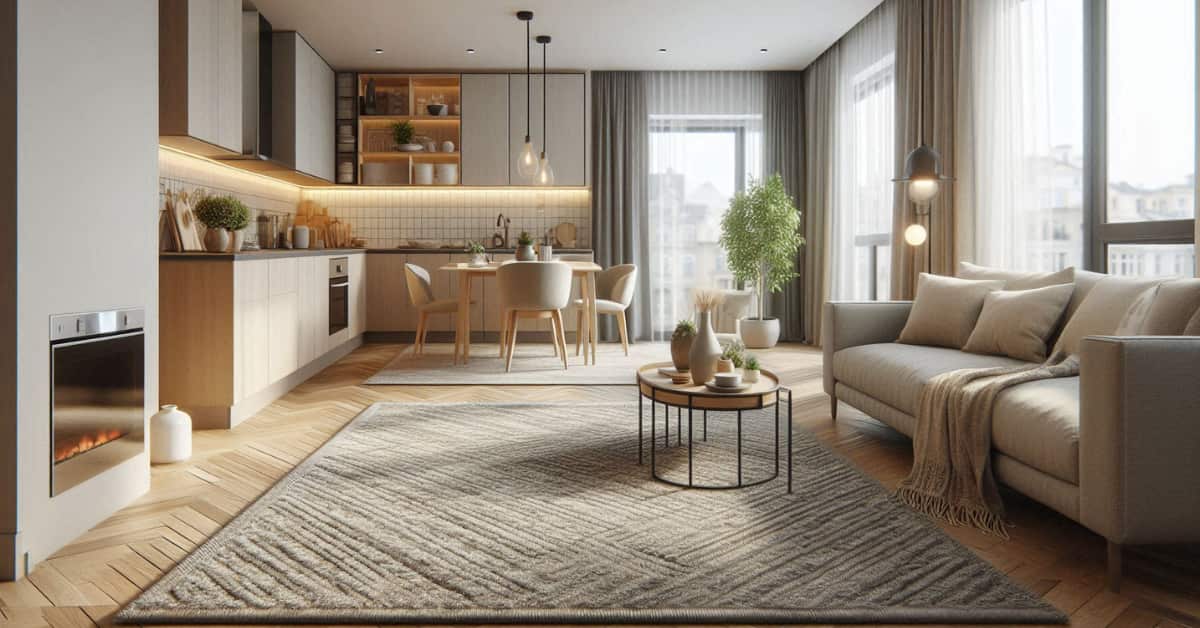
Kitchen cabinets should be sleek and functional. Opt for light-colored, high-gloss, or matte finishes to keep the space airy. In the living area, choose storage cabinets or shelves that match the kitchen’s color palette. This consistency enhances the sense of space. Well-designed cabinets prevent clutter, making the combo area feel organized and spacious.
Personal Touches Without Overcrowding
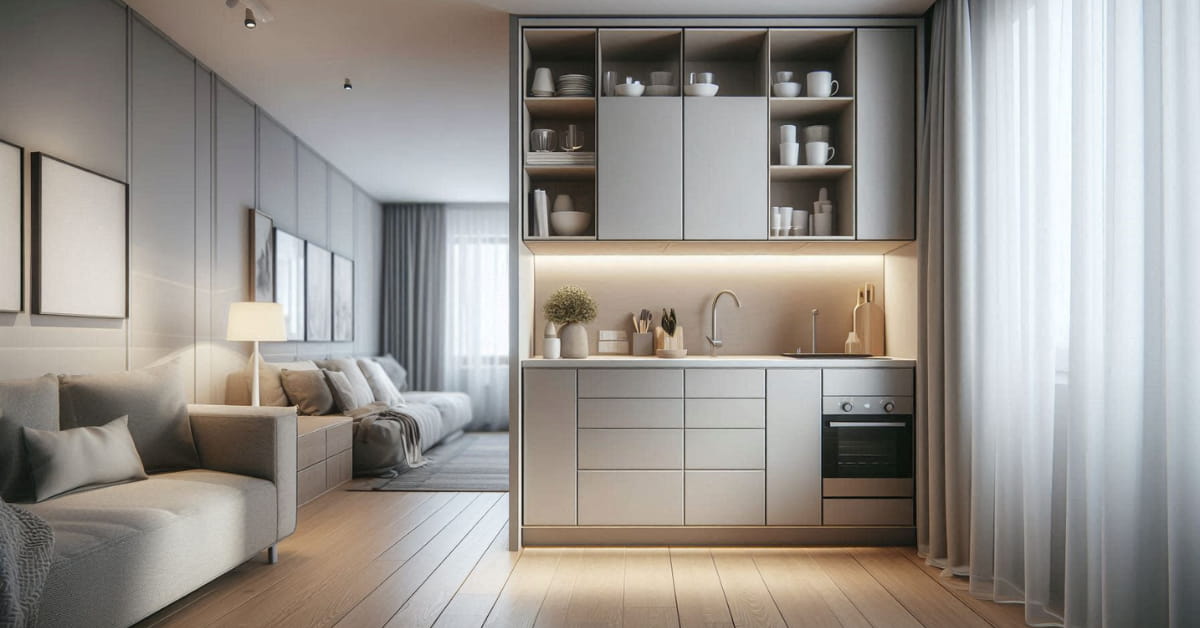
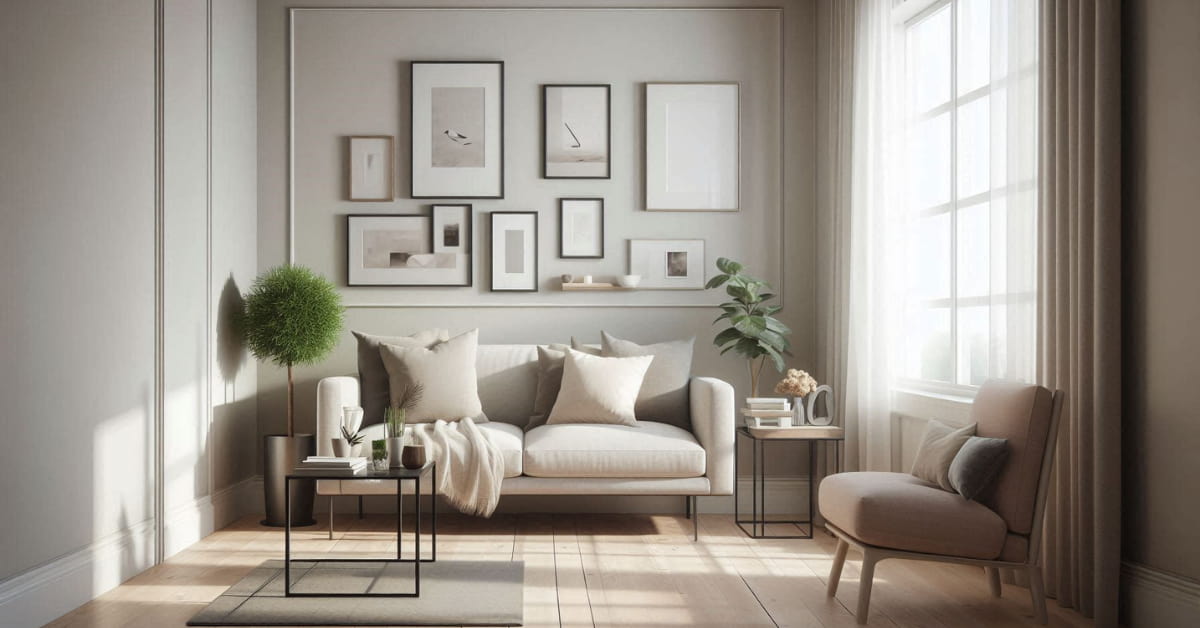
Even in a small space, personal touches bring warmth. Display a few meaningful accessories like framed photos, ceramics, or small artwork. Avoid overcrowding surfaces. Personal touches should enhance the cozy, stylish atmosphere without compromising openness. In a kitchen-living combo, carefully selected items keep the space inviting and reflective of your personality.
Conclusion
A small kitchen and living room combo can be stylish, functional, and cozy with thoughtful planning. Using an open layout, neutral colors, compact furniture, and smart storage solutions makes the space feel larger and more inviting. Coordinated decor, layered lighting, and natural elements like wood and plants enhance warmth and freshness. Minimalist design ensures the combo remains clutter-free and comfortable. By implementing these ideas, you can create a small kitchen and living room combo that is both practical and visually appealing, perfect for modern compact living.