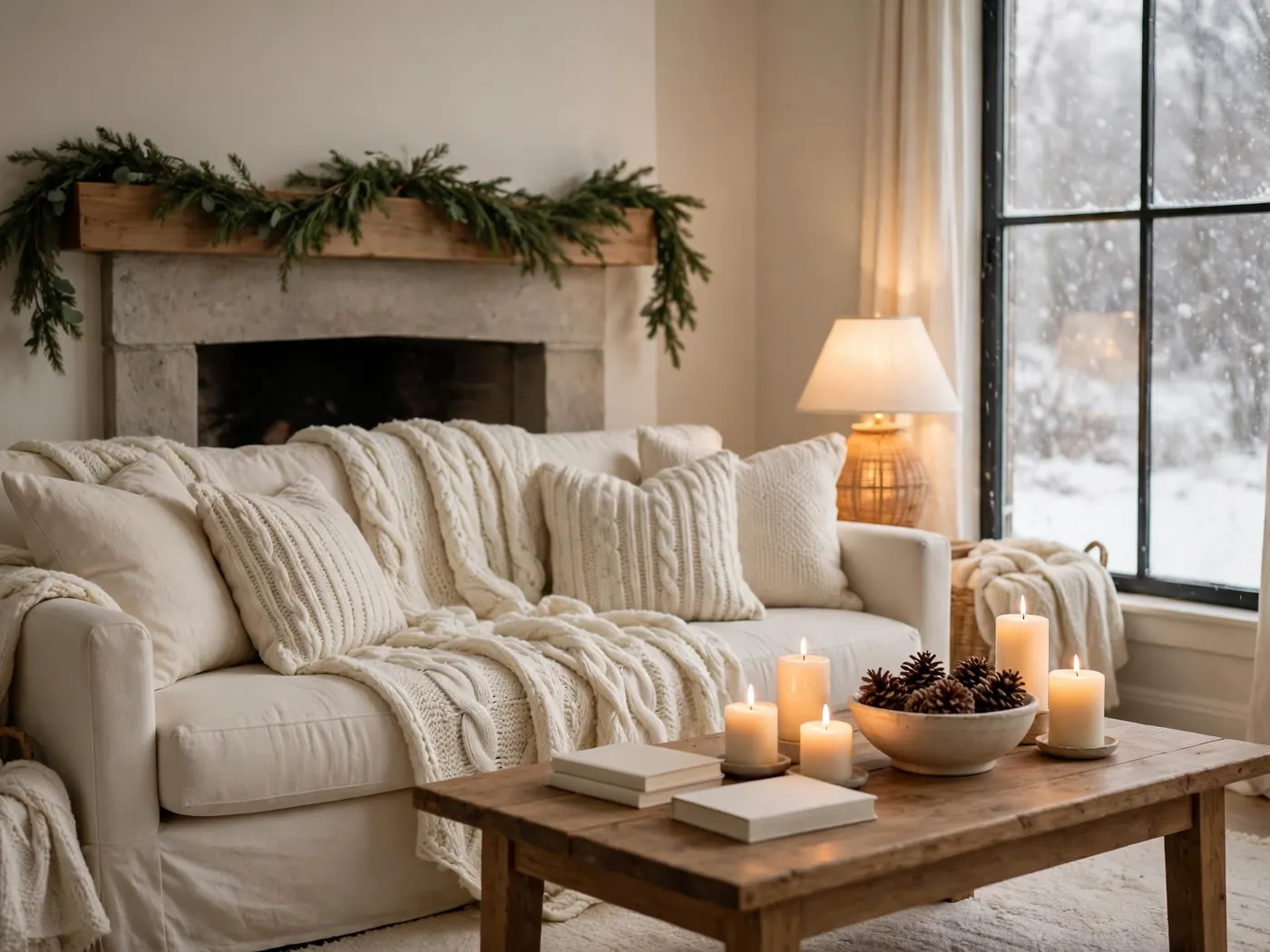
The boxes are back in the attic, the tree is out, and the house suddenly feels empty, cold and a bit sad. Nothing is wrong with your furniture — the room just lost its light, its color and its busiest corners all in one weekend. January and February are long months to live in a home that feels like the party ended and nobody cleaned up properly.
This list fixes that feeling piece by piece, using mostly what you already own. Each idea below names one specific empty or leftover-feeling spot and turns it back into winter — white and cream instead of red and green, plain greenery, pinecones, candles and wool. The blankets stay out too, and if you want them to look styled rather than dumped, these throw blanket storage ideas pair well with everything here.
Why the House Feels Empty After Christmas
It helps to know exactly what changed when the decorations went down. Three things leave with the boxes:
- The Biggest Light Source Leaves. The tree lights, the window candles and the extra lamps were doing real work every evening. When they go, the room is lit by one ceiling light again, and everything looks flatter and colder than it did in December.
- The Color Leaves With the Boxes. Red, green and gold were spread across every room for a month. Packed away, the house drops back to its everyday colors all at once, and the sudden plainness reads as emptiness, even in rooms you liked in November.
- Corners Go Back to Being Corners. The tree corner, the gift pile, the card display — December filled the odd corners with things to look at. Empty again, those same corners pull the eye and remind you something is missing.
None of this needs new furniture or a shopping trip. Most of the fix is keeping the right things out — greenery without ornaments, candles without the Christmas holders, and blankets where people can reach them, which is the same thinking behind these blanket storage ideas. The twenty ideas below work through the house one problem at a time.
1. Keep the Garland, Remove Only the Ornaments
The problem: taking down every green thing at once makes the room look stripped bare. Keep the plain garland and remove only the ornaments, baubles and bows. The green line along the mantel or shelf stays, but without the shiny extras it reads as winter greenery, not Christmas. Tuck in a few pinecones, or leave it completely plain.
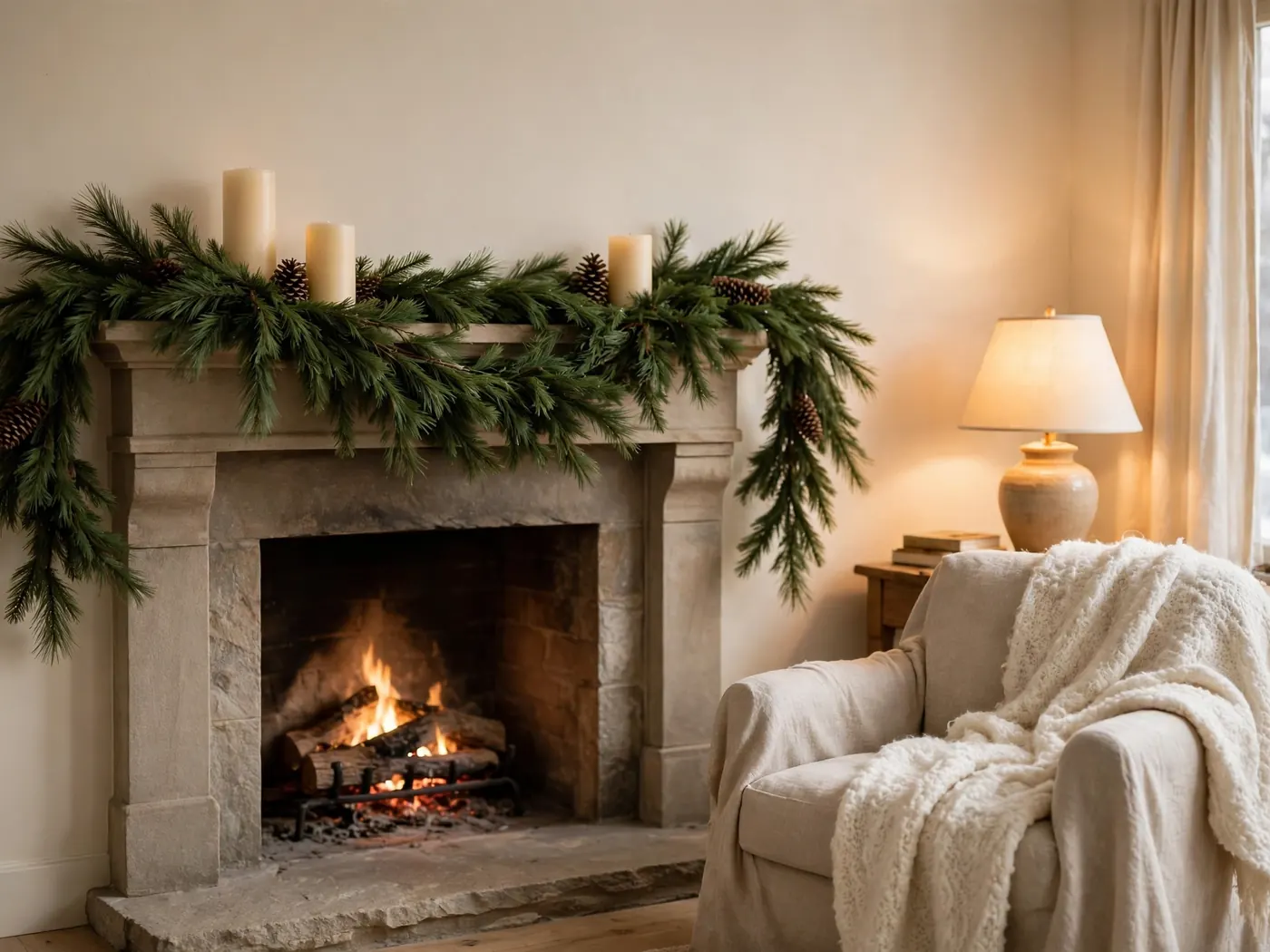
Cost note: this costs nothing and takes ten minutes with a storage box beside you. Drop the ornaments straight into their box as you unhook them, so nothing fragile ends up in a pile on the table waiting to be stepped on.
2. Swap Red Accents for Cream and Wool White
The problem: red cushions and red throws shout Christmas long after the day has passed, and they clash with a calm winter room. Swap them for cream, ivory and wool white versions of the same things. The seats stay just as layered and warm, but the color story turns quiet and snowy. If you own white or cream bedding and towels, borrow from those cupboards first before buying anything new.
Quick check: hold the swap up in daylight before you commit. Cream shades differ a lot — some lean yellow, some lean grey — and mixing the wrong two can look dirty instead of soft. One warm white family across the room is the goal.
3. A Pinecone Bowl That Stays All Winter
The problem: tabletops look bare once the Christmas centerpiece is packed away, and a bare table makes the whole room feel finished with celebrating. Fill a wide bowl with pinecones and set it where the centerpiece used to sit. Pinecones belong to winter, not to one holiday, so the bowl can stay out until spring. Add a short candle in the middle if the bowl is wide enough to hold one safely.
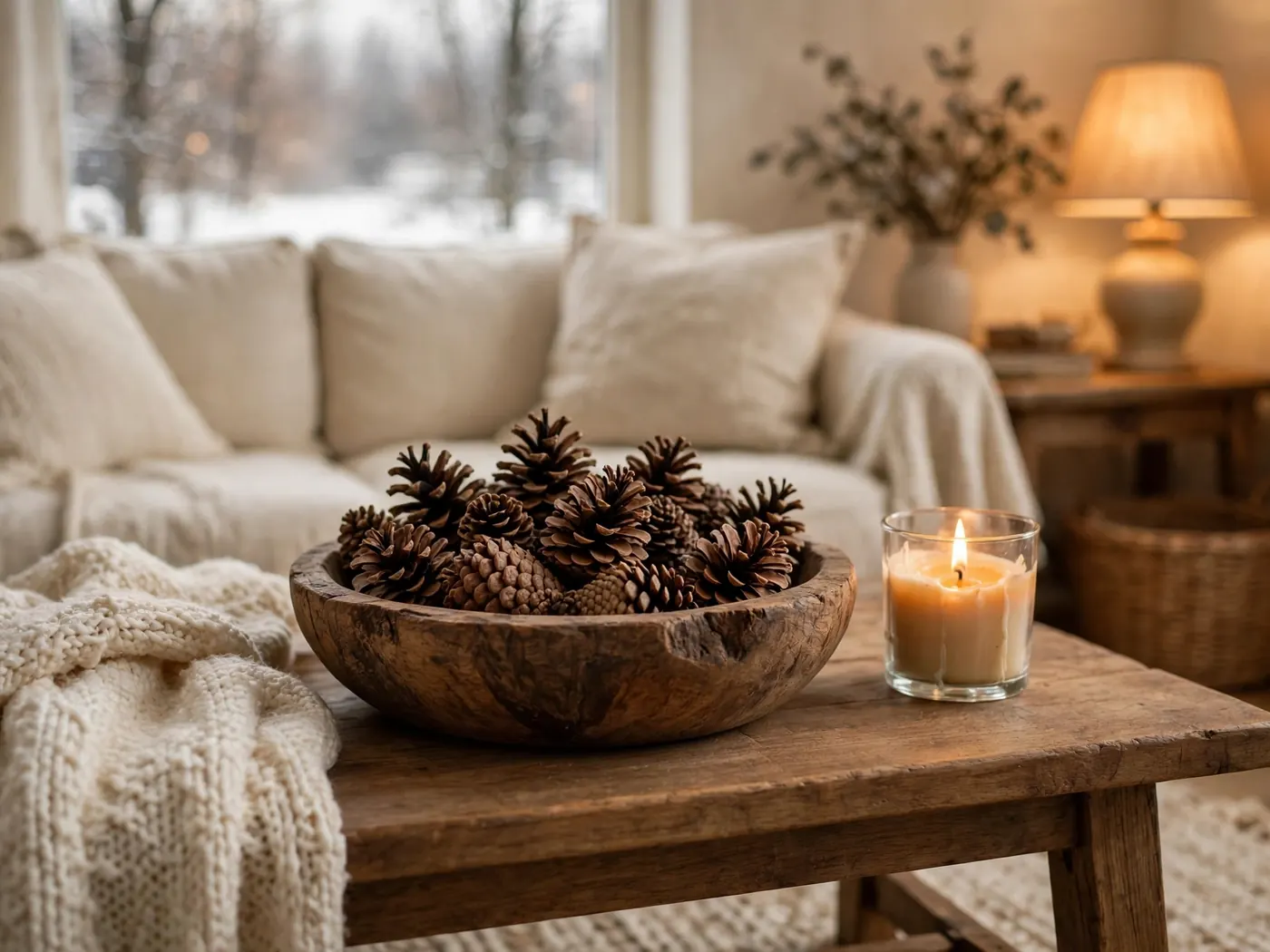
Watch out: pinecones picked up outdoors can carry tiny bugs and sap. Shake them out, let them dry indoors for a few days, and keep them away from a lit candle flame — the candle sits in the middle, the cones stay at the edges.
4. Candles Clustered Where the Tree Used to Stand
The problem: the tree corner was the warmest, brightest spot in the room, and now it is just a dark gap. Put a cluster of candles there instead — three to five pillar candles of different heights on a tray or a flat plate. Their glow fills the same corner with the same kind of warm light, at a smaller scale. Battery candles work just as well if real flames are not safe there.
Quick check: stand at the doorway in the evening and look at the corner. If your eye still lands on an empty gap, the cluster is too small or too low — add height with a book or a small crate under the tray.
5. A Tall Mirror Leaning in the Corner to Bounce the Light
The problem: January rooms are dark by late afternoon, and one lamp in the middle cannot reach the corners. Lean a tall mirror in a corner near a window or opposite a lamp. It catches whatever daylight and lamplight there is and throws it back into the room, so the corner feels open instead of gloomy. A leaning mirror also fills vertical space the way the tree did, without any decorating at all.
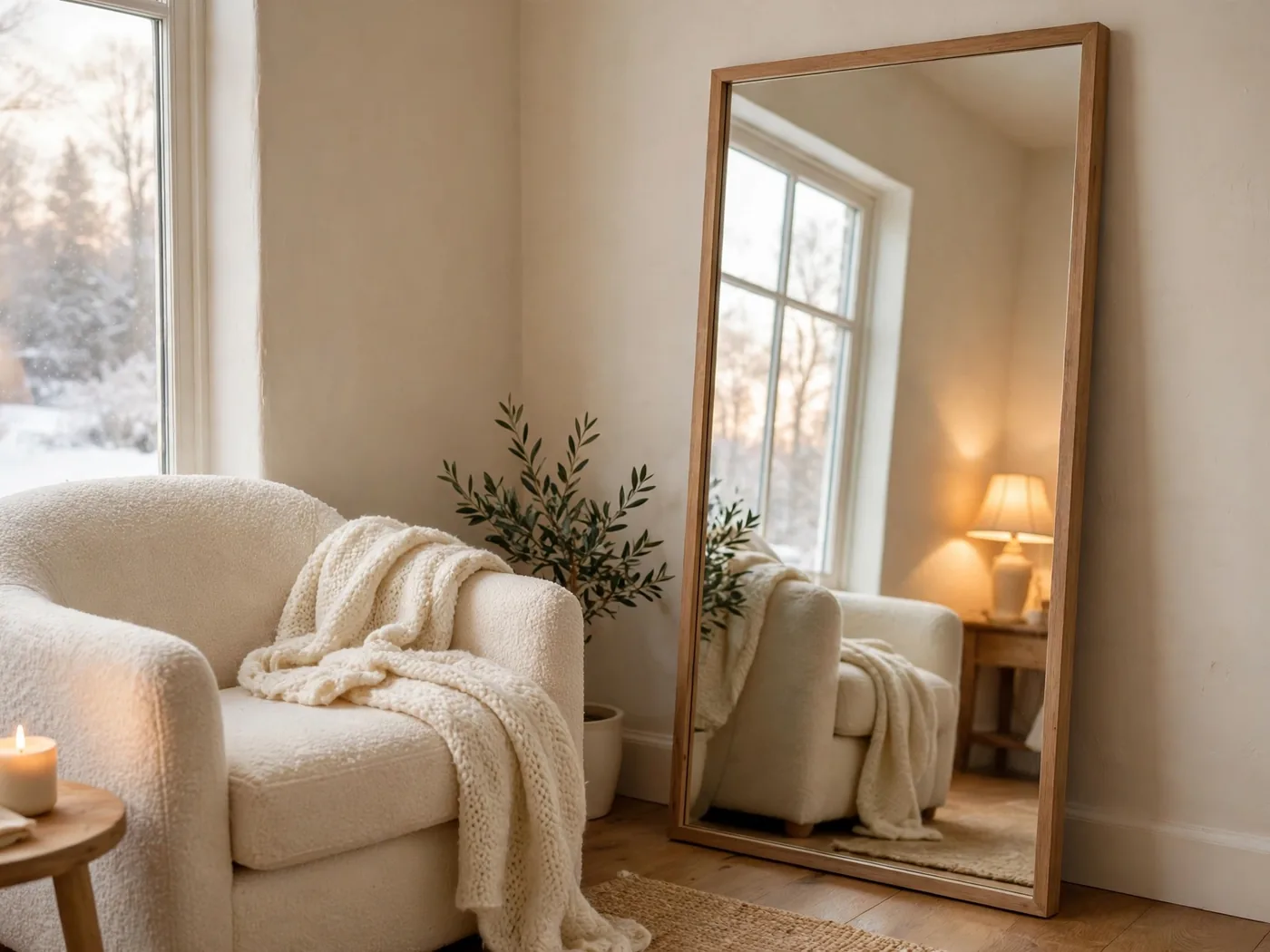
Cost note: check spare rooms and hallways before buying one. Most homes already own a full-length mirror that can move for two months and move back in spring. Felt pads on the frame’s bottom edge protect the floor while it leans.
6. Layered Throws Left on Every Seat
The problem: chairs and sofas look cold and flat in January, even in a heated room, because nothing on them invites you to sit down. Leave a throw on every seat — one folded over each chair back and two layered on the sofa. Different textures in the same cream and grey family look rich without looking matched. The room reads warm before anyone even touches the heating.
Watch out: throws left out all winter gather dust and pet hair fast. Give each one a good shake outside once a week, and wash them in rotation, so there is always a clean one on the sofa and none of them starts to smell stale.
7. A Hot Drinks Station That Earns Its Counter Space
The problem: the Christmas cocoa corner gets packed away, and January evenings lose the small ritual that made them feel like an event. Set up a smaller, plainer drinks station that stays: a kettle or coffee maker, two or three mugs on hooks, and tea, coffee and cocoa in plain jars. No signs, no red, nothing seasonal — just a corner of the counter that works every single day and makes cold evenings feel planned.
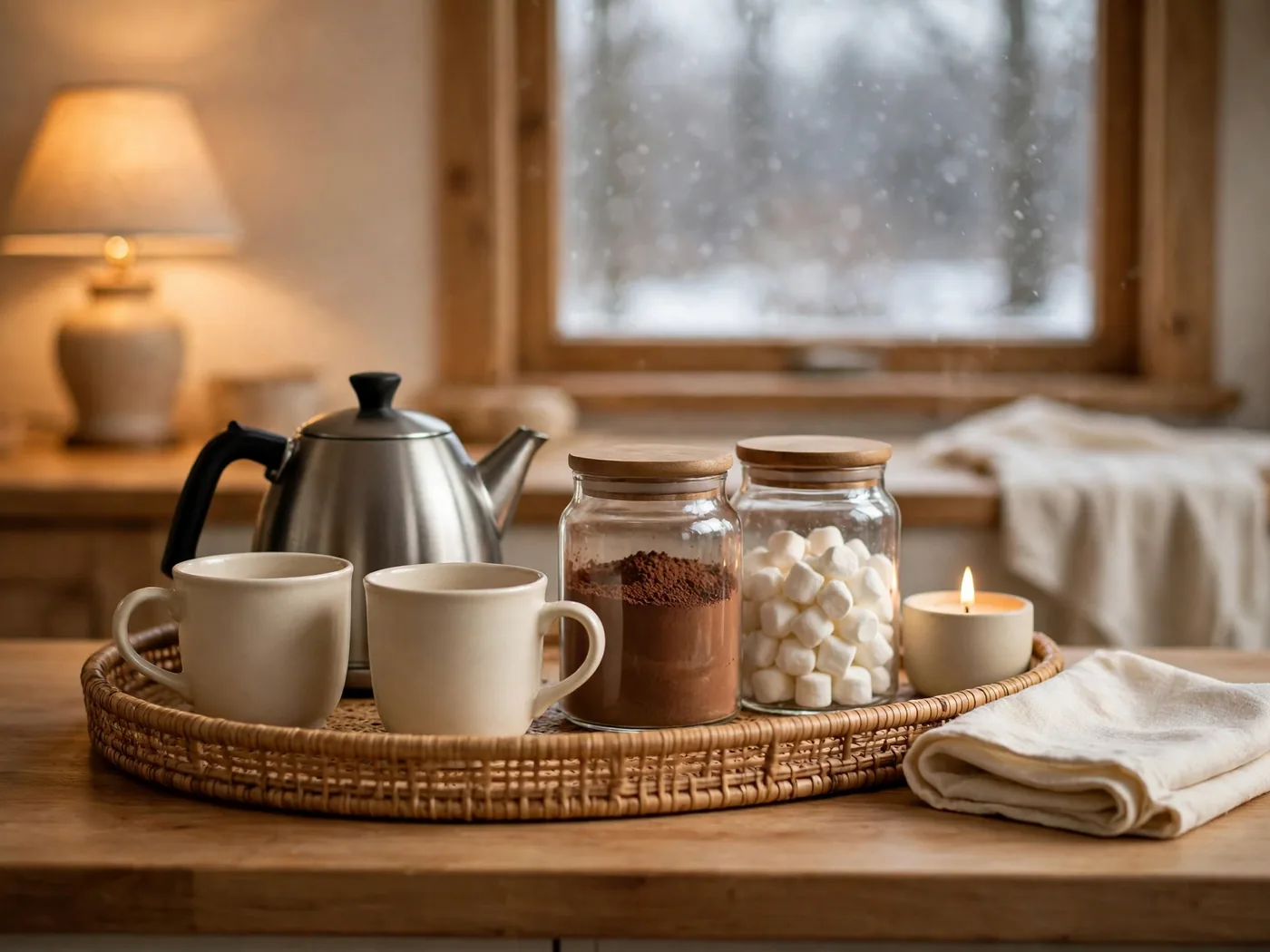
Quick check: if the station needs more than one step to use, it will stop being used. Everything for one drink — mug, tea, spoon, sugar — should be reachable without opening a second cupboard or moving anything out of the way.
8. Fairy Lights Draped in the Empty Fireplace
The problem: a fireplace that held stockings and garland looks black and dead in January, and it sits at the room’s center. Drape a string of warm fairy lights loosely inside it, over a pile of logs or a candle cluster. The hearth glows again on the darkest evenings, the same trick that makes indoor Christmas light ideas work in December, only quieter. On nights you light a real fire, the string comes out in seconds.
Cost note: use the string you already own from the tree — this is a January job for December lights. A battery set with a timer is easiest: it comes on at dusk and you never reach into the hearth to switch it.
9. Eucalyptus and Dried Orange Slices for Soft Scent
The problem: the house smells flat in January — no tree, no baking, windows shut against the cold. A small bowl or vase of eucalyptus stems with dried orange slices gives back a soft, clean scent that suits winter. Set it by the door or on the coffee table, where people pass it often. The green-grey leaves and dull gold slices look calm, and nothing about them says Christmas.
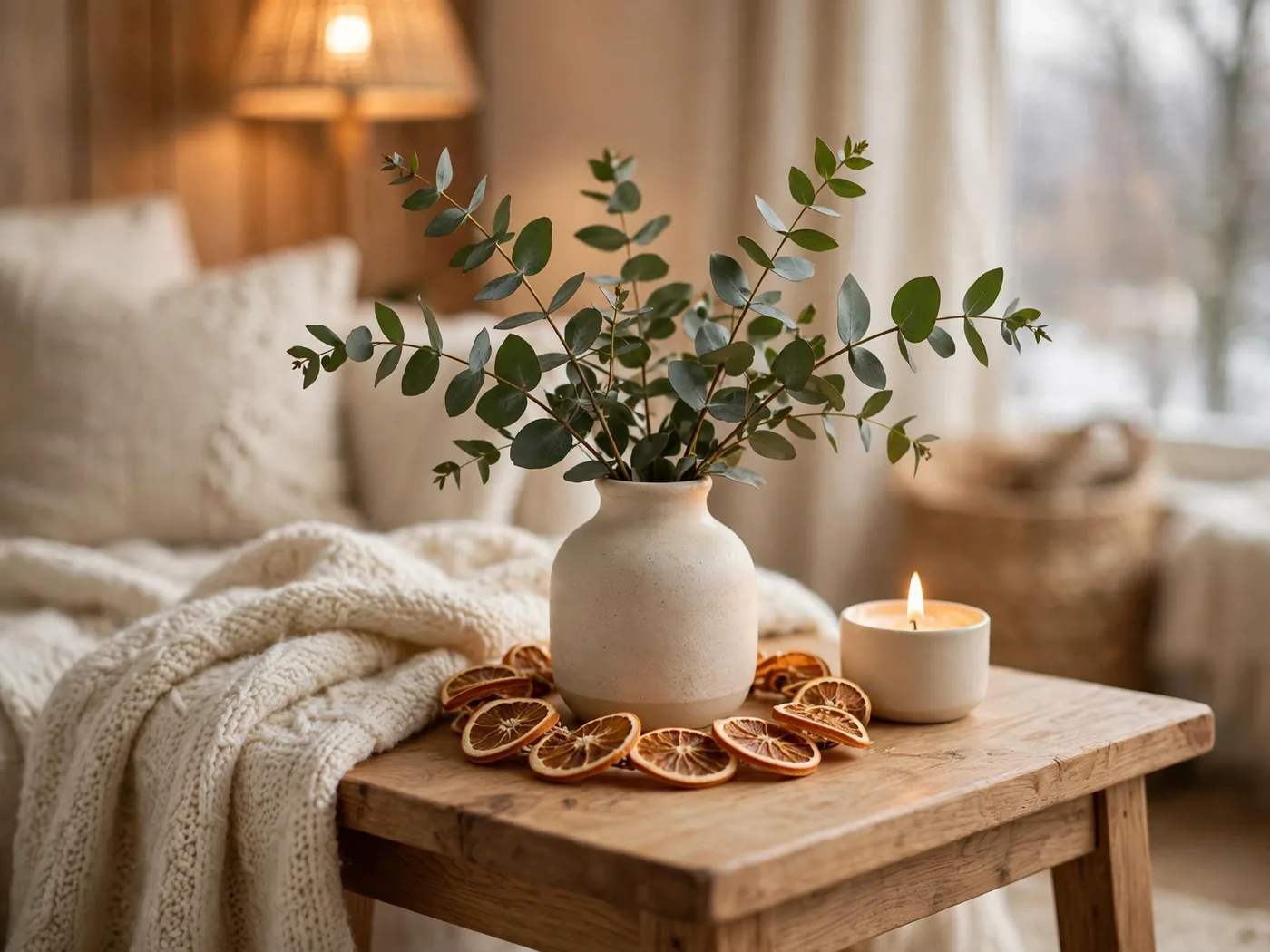
Watch out: dried orange slices fade and can grow mould in a steamy room. Keep the bowl out of the bathroom, and replace any slice that darkens or smells musty. Eucalyptus stems last for weeks and can just be dusted.
10. A Reading Corner Built Around the Best Lamp
The problem: January evenings are long, and the sofa facing a dark TV is not a great place to spend them. Build one reading corner around the best lamp you own: a chair angled toward it, a small table for a book and a drink, and a throw over the chair arm. One good corner that is clearly meant for something beats a whole room that is meant for nothing in particular.
Quick check: sit in the chair with a book before you call it done. The light should fall on the page over your shoulder, not in your eyes, and the table should hold your drink without you leaning. Two small moves usually fix both.
11. Window Stars Replaced With Plain Paper Snowflakes
The problem: taking the window stars down leaves the glass looking bare, and bare windows make a room feel exposed at night. Replace them with plain white paper snowflakes — same windows, same soft shapes, but clearly winter instead of Christmas. Cut them from plain white paper, hang them at different heights on thread, and let them move a little in the warm air from the radiator.
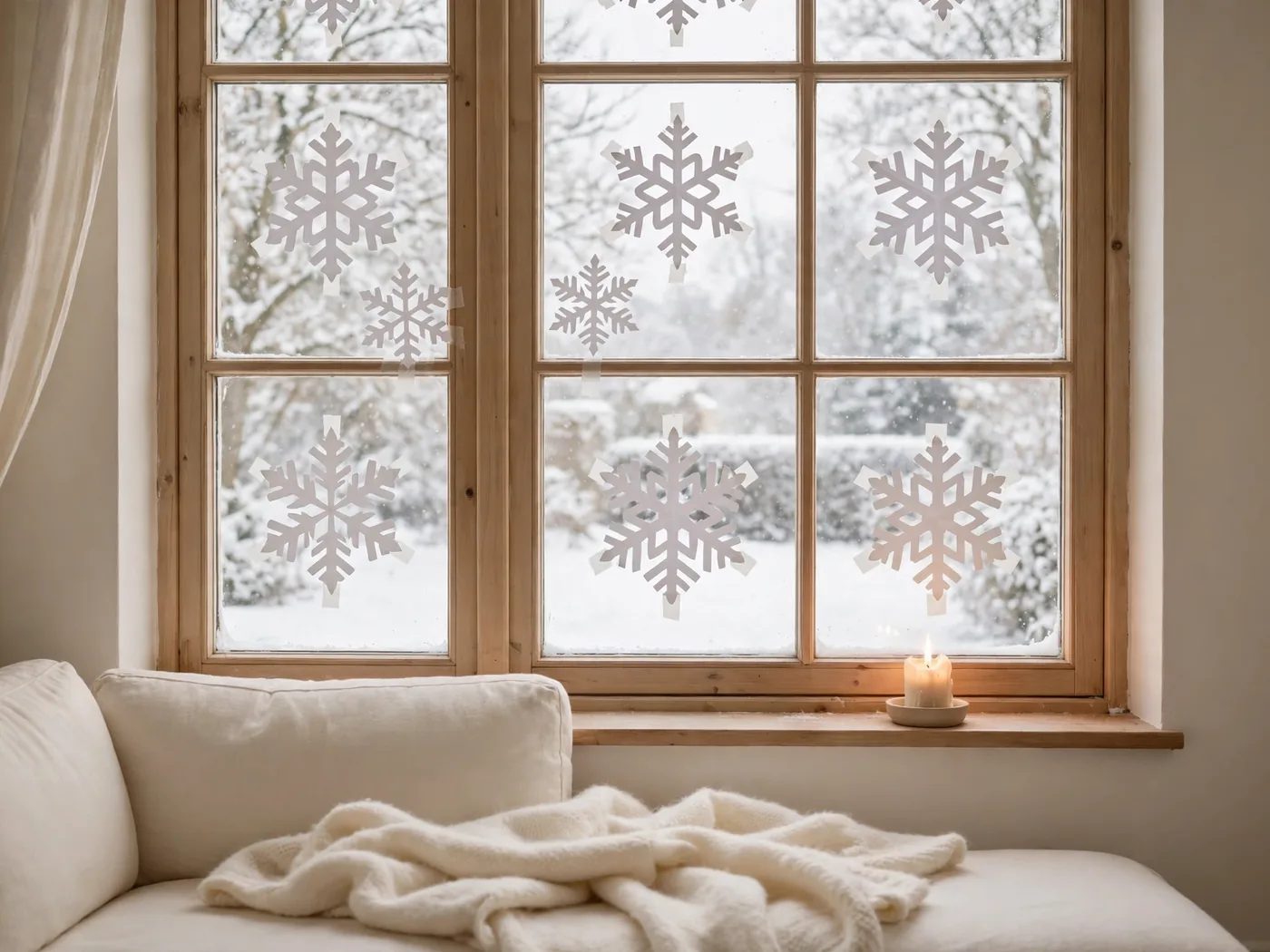
Cost note: this is the cheapest fix in the whole list — paper, scissors and thread you already own. Make more than you need; the extra five minutes of cutting gives you spares for the ones that tear or curl by February.
12. The Mantel Restyled With Books and One Plant
The problem: the mantel was the most decorated surface in the house, and an empty mantel looks like a shelf nobody loves. Restyle it simply: a short stack of books lying flat, one green plant, and one candle or small lamp at the other end. Three quiet things with space between them look chosen, not leftover. The eye gets a calm place to rest instead of a gap where the garland used to be.
Watch out: books near a working fireplace need care. Keep the stack well back from the opening, and if the mantel gets hot to the touch when the fire is lit, swap the books for a stone or metal piece instead.
13. A Soup-Night Table Setting That Makes Weeknights Feel Warm
The problem: after weeks of big holiday meals, January weeknight dinners feel plain and a bit sad at a bare table. Set the table properly for one simple meal — soup is perfect: bowls on placemats, a cloth or runner down the middle, one candle, and the good spoons. Nothing new is bought and nothing is decorated; the table just looks expected, like someone planned the evening instead of letting it happen.

Quick check: this only works if setting the table takes under five minutes. Keep the placemats, runner and candle in one drawer or box near the table, so soup night is a habit, not a project you talk yourself out of.
14. Blankets in a Basket by the Fireplace or Radiator
The problem: the blankets are still in the house, but folded in a cupboard they do nobody any good on a cold evening. Roll two or three and stand them in a basket beside the fireplace or the radiator, where people actually sit. The basket looks like winter decor, and the blankets are within reach at the exact moment someone feels cold. A basket by the heat also means damp gloves and hats have a home nearby.
Cost note: any wide basket, crate or even a sturdy box covered with a cloth does this job. Check the garage and the top of the wardrobe before buying — most homes own a basket that is currently storing nothing important.
15. A Winter Wreath of Plain Greenery on the Door
The problem: the front door looks forgotten once the Christmas wreath comes down, and it is the first thing you and your guests see. Hang a plain greenery wreath instead — no bow, no berries, no glitter, just green. It says the house is lived in and looked after, in a winter way. Use the same wreath base and strip off the decorations, or build a fresh one from garden clippings if your old one was wired with ornaments.
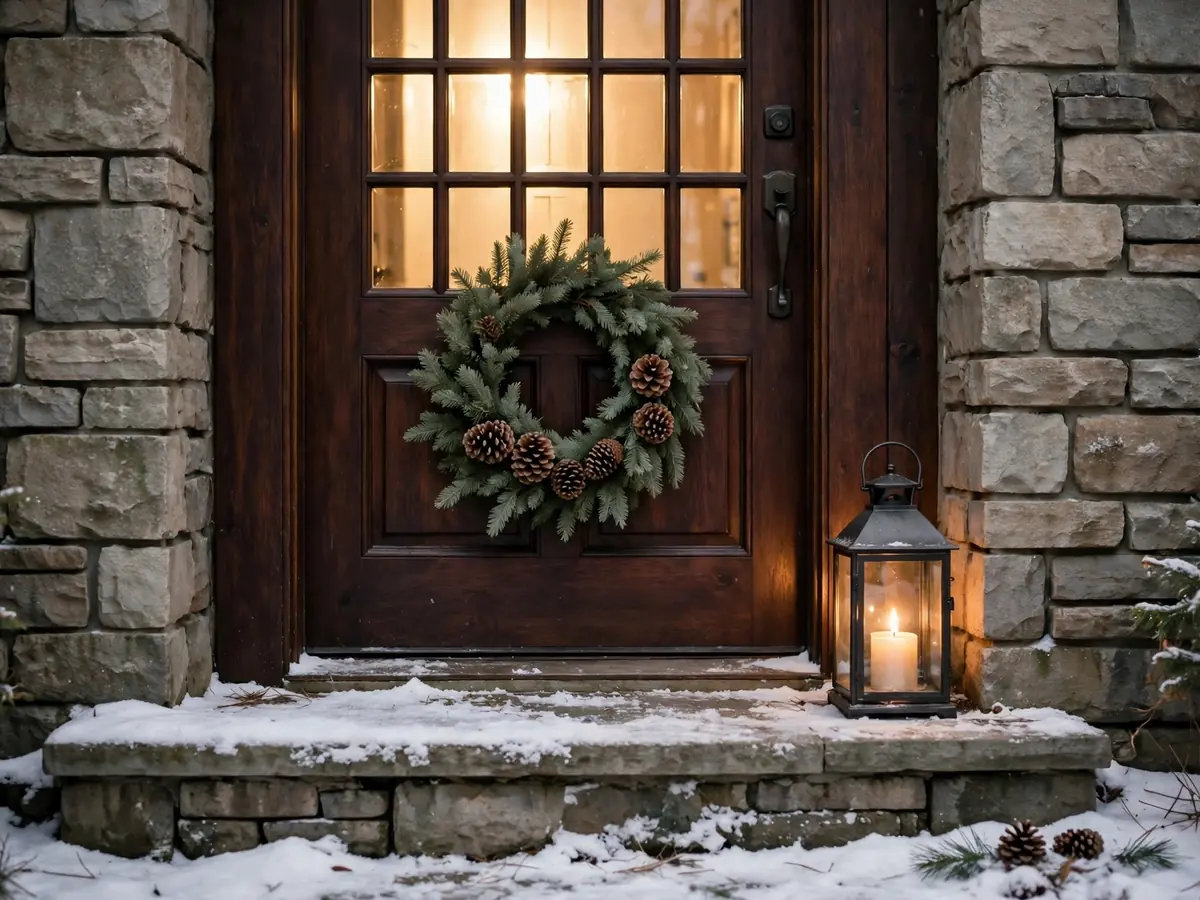
Watch out: a stripped wreath can look picked-over if a few decorations stay behind. Check it in daylight from the street — one missed red berry or bit of tinsel is exactly what makes it read leftover instead of winter.
16. A Slipper and Sock Basket by the Entry
The problem: cold floors are half the reason a house feels chilly in January, and guests never know whether to keep their shoes on. Put a basket of clean slippers and thick socks by the entry, and offer them to everyone who comes in, including yourself. Warm feet change how the whole house feels within a minute. It is a small, kind thing that costs little and gets used every single day of the season.
Quick check: wash the socks and slipper soles weekly — a basket of worn slippers by the door smells like a locker room by week two. Keep a spare clean set ready so the basket never sits empty on wash day.
17. Faux Fur Rugs Draped Over Chairs
The problem: hard chairs and plain sofa arms look cold and feel cold, and January is when everyone notices. Drape a small faux fur rug or throw over the back of a chair or the arm of the sofa, the way hotels do. The deep pile catches the light and adds the one rich texture a winter room needs. It also makes the least-loved chair in the room suddenly popular on cold evenings.
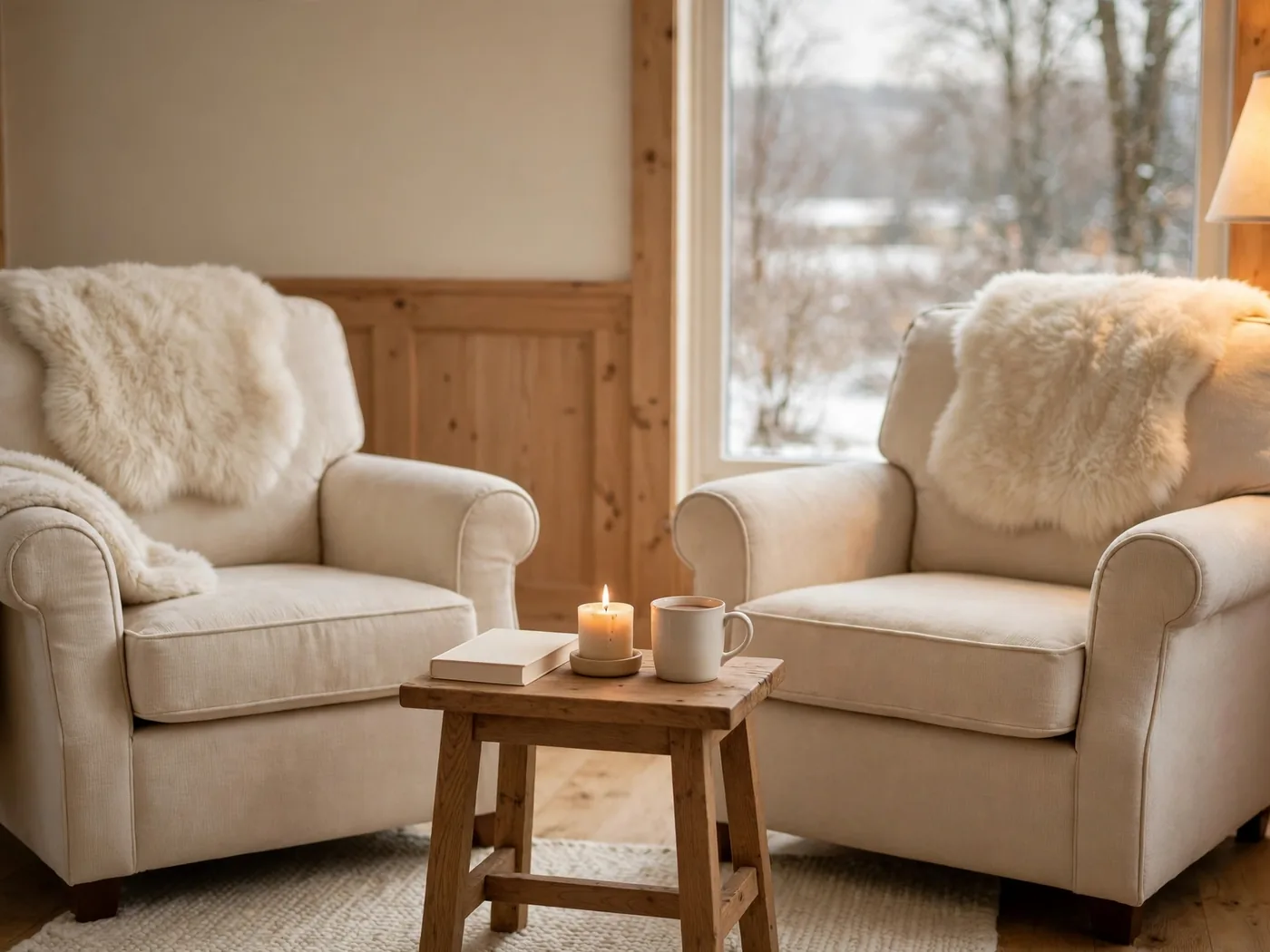
Cost note: one small rug is enough for the main room — this is an accent, not a set. Buy the washable kind if you can; fur textures trap crumbs and pet hair, and a rug you cannot wash will look tired by spring.
18. Citrus in a Wooden Bowl for the One Bright Note
The problem: an all-cream winter room can tip over into dull, and dull is only one step from leftover. Give it exactly one bright note: a wooden bowl of oranges, lemons or clementines on the table. The color is warm and natural, it suits the season, and it is food, not decoration, so it never looks like a theme. When the fruit runs low, the bowl still looks fine half full.
Watch out: check the bottom fruit twice a week. One soft orange at the bottom of the bowl will quietly spoil the rest, and a bowl of tired fruit on the table does the opposite of the job it was put there for.
19. Board Games Stacked Where the Gifts Used to Sit
The problem: the spot where the gift pile sat — usually a corner of the living room — is empty floor now, and the room’s fun went with it. Stack the board games there instead, in a neat pile with the boxes showing. It fills the corner with color, and more importantly it puts an evening activity in plain sight. Games that are visible get played; games in a cupboard get forgotten until spring cleaning.
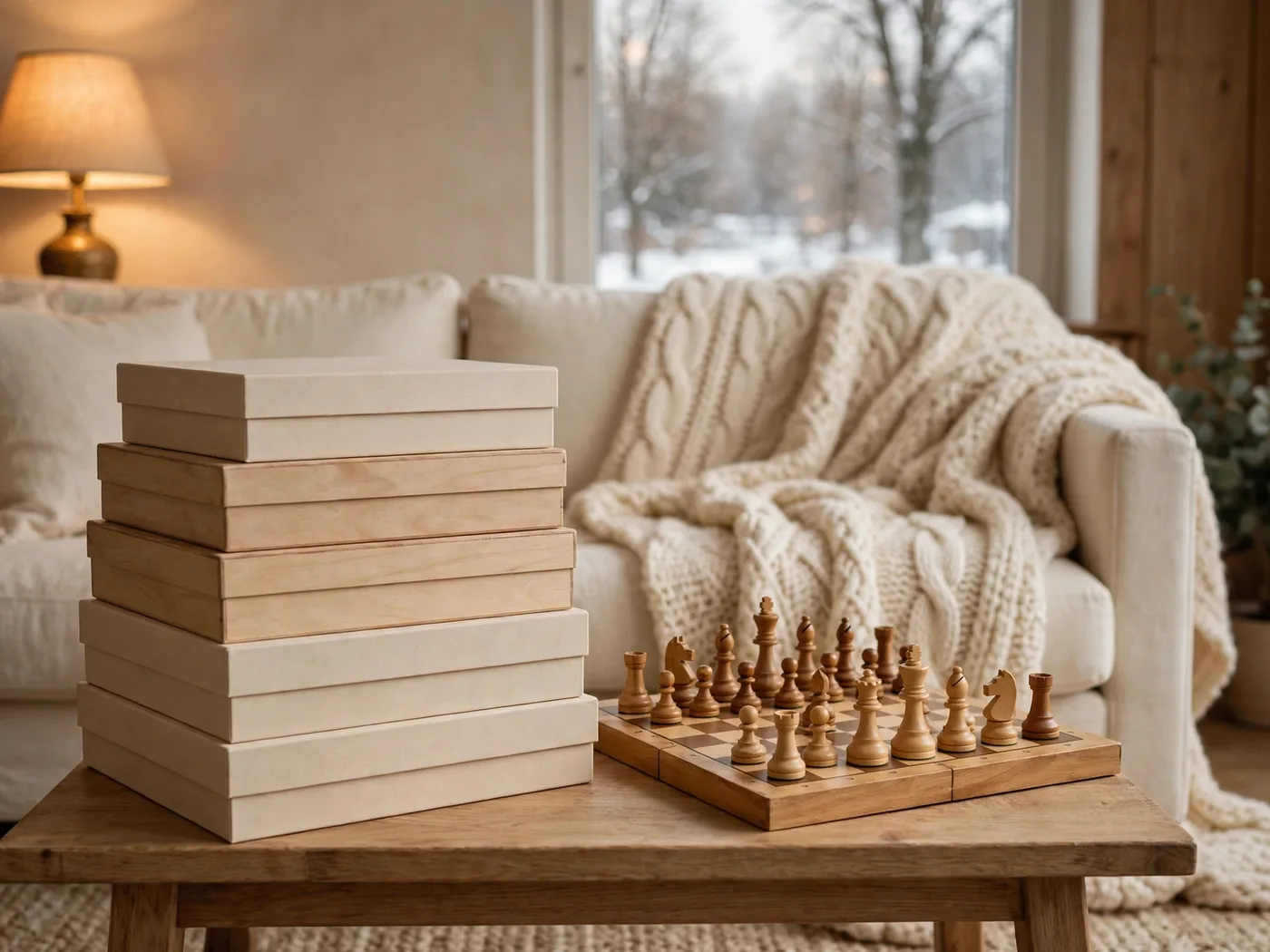
Quick check: keep the stack to games you actually play — five good boxes look inviting, fifteen look like storage. Rotate one game in and out each week if you own many, and the corner stays fresh without growing.
20. A January Simmer Pot That Makes the House Smell Warm
The problem: by mid-January the house has no smell at all — the tree, the baking and the scented candles are gone, and a home with no scent feels half empty. Simmer a pot of water on the stove with orange peel, a cinnamon stick, cloves and a splash of vanilla. Within twenty minutes the whole house smells warm and lived in. It is the cheapest full-house change here, and it works on the greyest day.
Cost note: use peel and spices that are already open — this pot is made from leftovers of the good kind. Top the water up hourly, and never leave it simmering when you go out; a dry pot is a real hazard.
Mistakes That Bring Back the Leftover Look
- Leaving one Santa out “a bit longer.” A single leftover Christmas figure makes the whole room look forgotten rather than festive — pack the characters away and let winter items do the work.
- Packing the warmth away with the decorations. Throws, candles and fairy lights are winter things, not Christmas things; boxing them up with the tree is what makes January feel stripped.
- Leaving the tree corner empty. An empty corner keeps announcing what used to stand there — put candles, a mirror or a chair there within the first week.
Winter at home is a season of its own, not the gap between Christmas and spring. The Danish word for the feeling these ideas are chasing is hygge — warm light, soft layers and small daily rituals. Keep the green, keep the glow, drop the tinsel, and the house stays cozy until the light comes back.