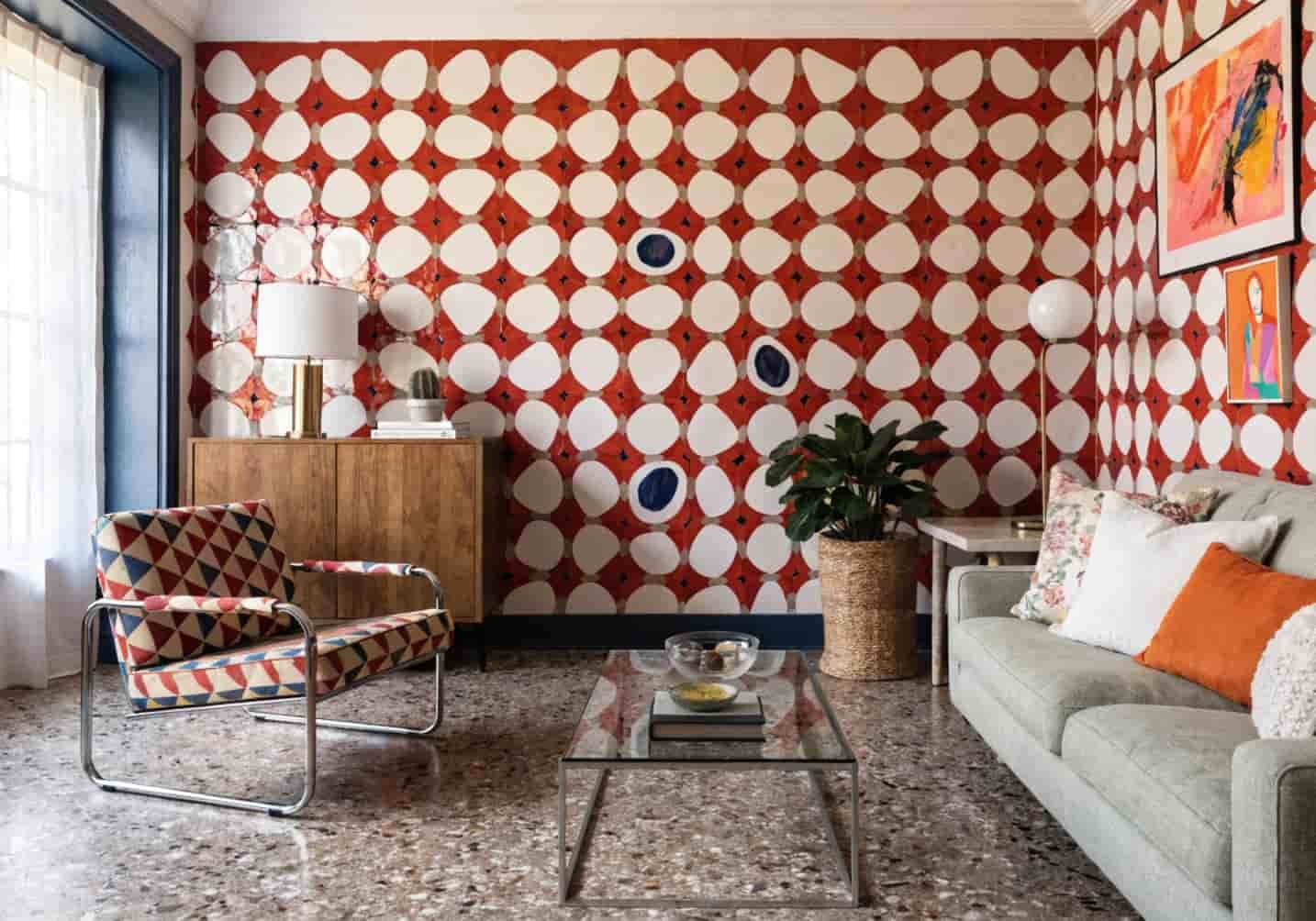
I still remember the first time I painted an Accent Wall Edition in my own living room. I was tired of staring at the same boring beige walls every single day, and honestly, the room felt lifeless. One weekend, armed with a paint roller and a can of deep forest green, I turned one wall into something that instantly made the whole space feel warmer and more personal. That small change taught me something big: you don’t need to renovate an entire house to fall in love with it again. Sometimes one wall is all it takes. In this guide, I am sharing everything I have learned about accent walls, from choosing the right spot to picking colors that actually work in real homes, not just in magazines.
Picking the Right Wall to Highlight
Choosing which wall to highlight can feel confusing at first, but there is actually a simple trick that works almost every time. Stand at the entrance of your living room and notice which wall your eyes land on first. That wall, the one that naturally grabs attention, is usually your best candidate for an accent. In my own apartment, it was the wall facing the main door, and once I painted it a rich terracotta shade, guests would compliment it the moment they walked in. Avoid walls that are broken up by too many windows or doors, since paint or texture needs a solid, uninterrupted surface to really shine. A good accent wall should feel like the room’s personality, not just a random splash of color.
Color Psychology for Living Spaces
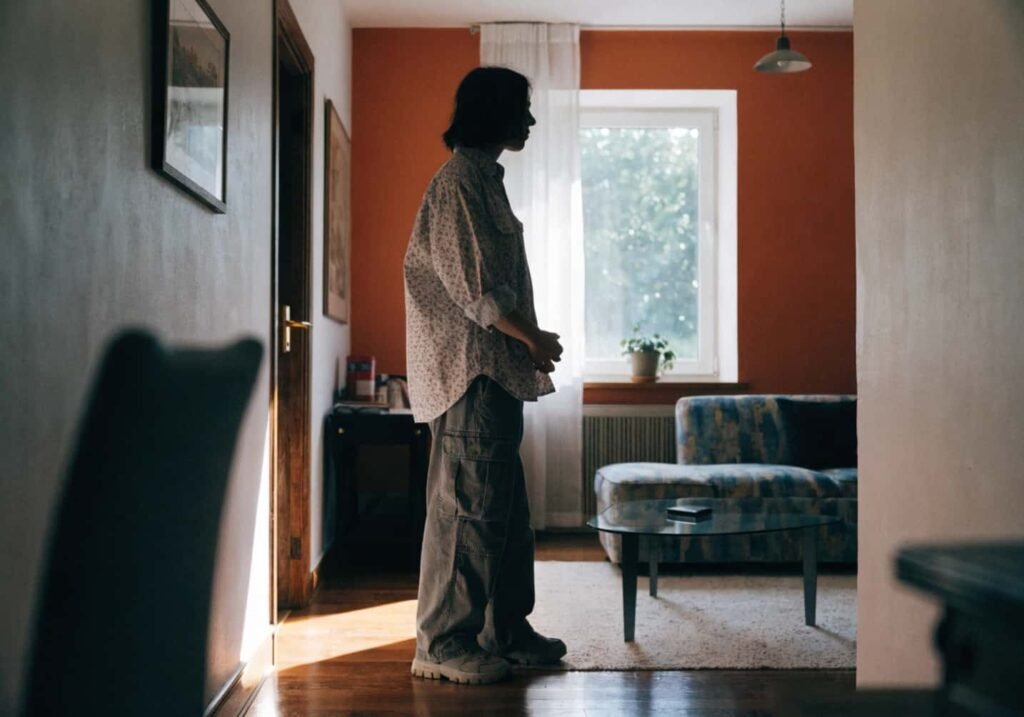
Colors do more than decorate a room, they actually shape how we feel inside it. Warm tones like burnt orange, mustard yellow, and deep red bring energy and make a space feel lively, which is great if your living room doubles as a family gathering spot. On the other hand, cooler shades like navy blue, sage green, or soft grey create a calm, relaxed mood, perfect for someone who uses their living room to unwind after a long day. When I switched my old cream wall to a muted blue-grey, I noticed my evenings there felt noticeably more peaceful, almost like the color itself slowed things down. Think about how you actually use the room before picking a shade, because the right color should match your lifestyle, not just current trends.
Accent Walls Behind the TV or Sofa
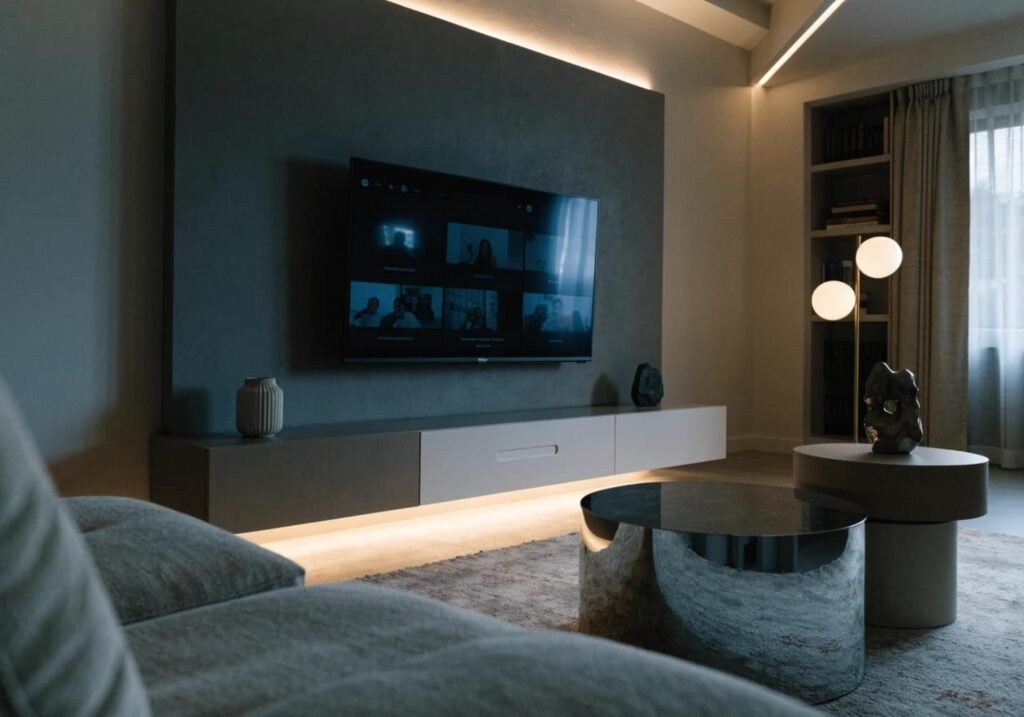
Two of the most popular spots for an accent wall are behind the television or behind the sofa, and both have their own charm. A bold wall behind the TV naturally draws the eye toward your entertainment area, making movie nights feel a little more special. I tried this in my brother’s apartment using a charcoal grey shade, and it instantly made his flat-screen look like part of a designed setup rather than just mounted hardware. Behind the sofa works differently, it acts more like a backdrop, almost like a piece of art framing your seating area. If your living room is mainly for relaxing and chatting with guests, the sofa wall might suit you better, while entertainment-focused rooms often benefit more from a TV feature wall.
Mixing Textures with a Bold Wall
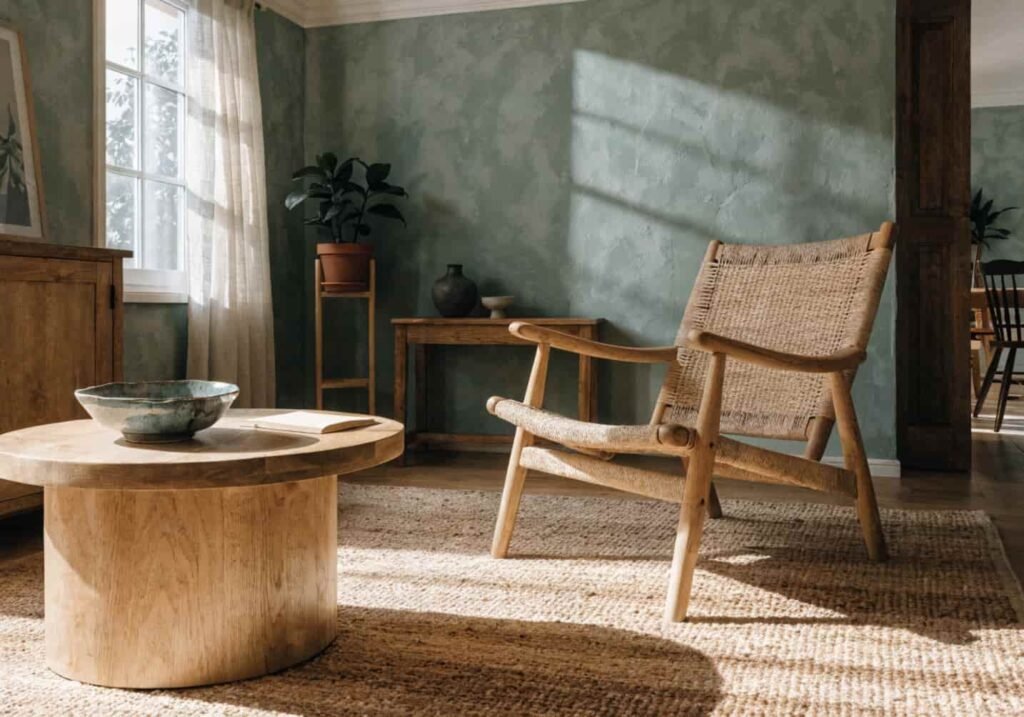
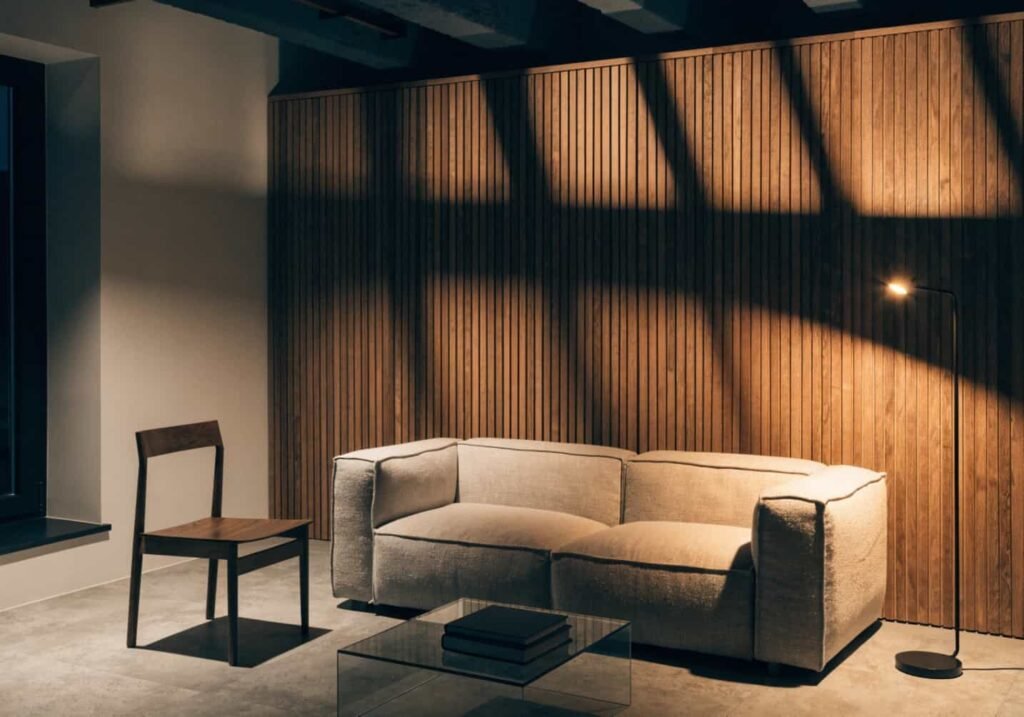
Paint is not the only way to create a striking accent wall, and honestly, texture can add even more depth to a room. Materials like exposed brick, wood panels, or textured plaster give a wall dimension that flat paint simply cannot match. I once helped a friend install thin wood slats on her living room wall, and the shadows they cast throughout the day gave the whole room a completely different feel depending on the time of day. If you are worried about cost, even peel-and-stick brick wallpaper can mimic that raw, textured look without a huge renovation budget. The key is balance, though, so pair a heavily textured wall with simpler furniture around it, letting the wall itself become the main character of the room.
Small Living Room, Big Style Statement
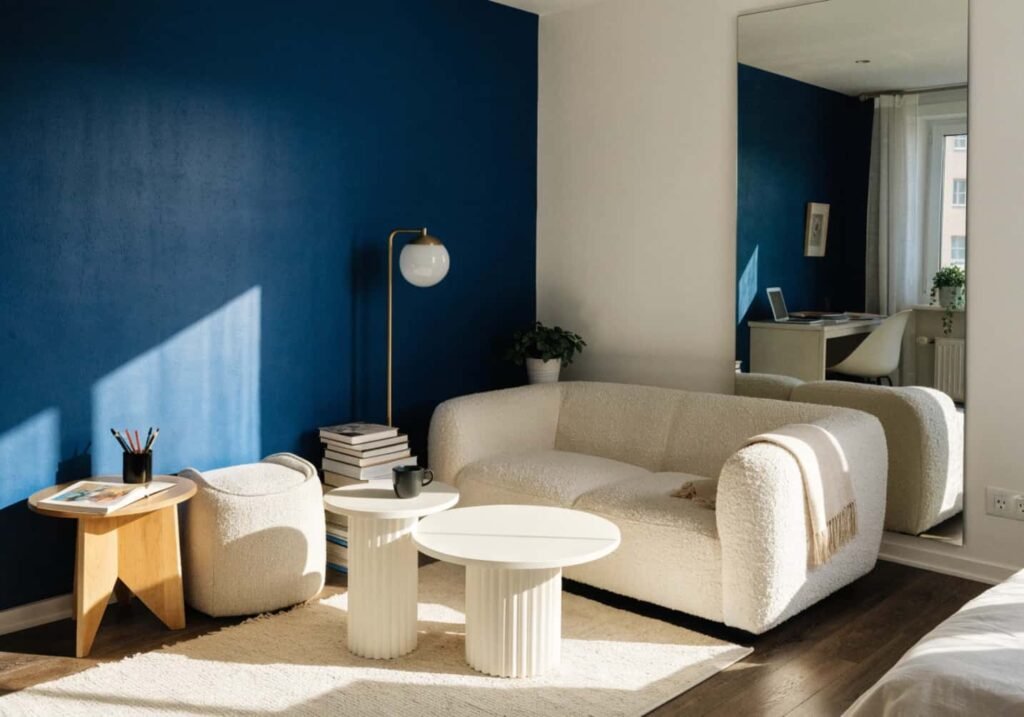
Many people assume accent walls only work in large rooms, but small living rooms can actually benefit even more from a bold feature. A single striking wall can trick the eye into thinking the space is more intentional and styled, rather than just cramped. In my tiny studio apartment, I used a deep navy accent wall paired with mirrors on the opposite side, and it genuinely made the room feel bigger and more thought out. The trick is choosing one wall, usually the one furthest from the entrance, and keeping the rest of the room in lighter, neutral tones. This contrast draws attention without overwhelming the limited square footage, proving that small spaces can still make a big style statement.
Furniture Placement Around an Accent Wall
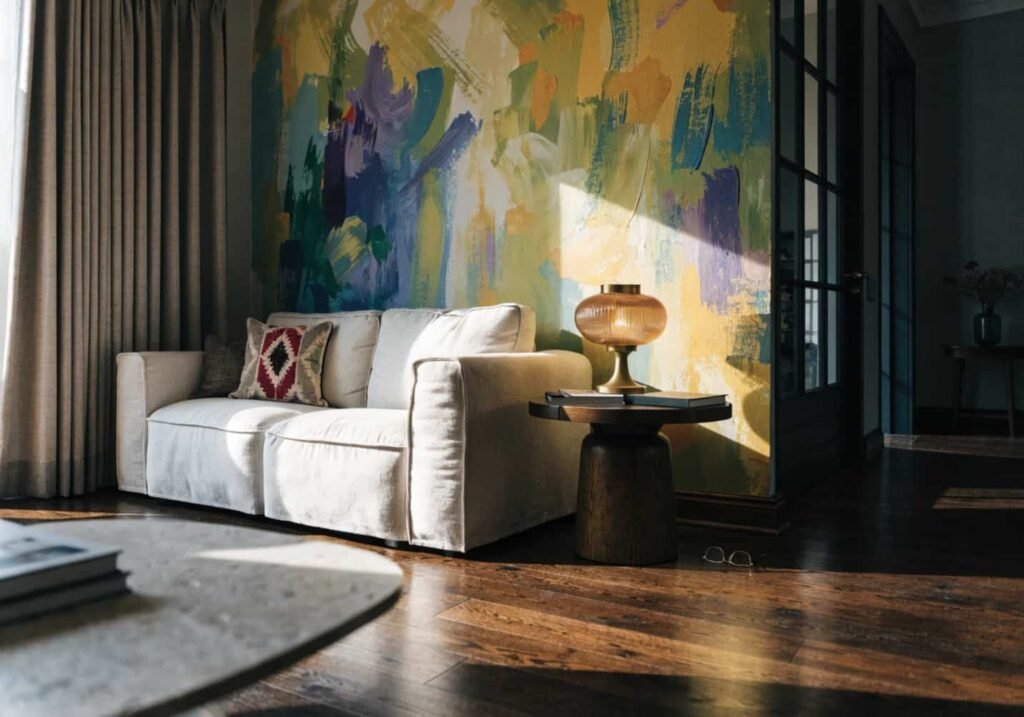
Once your accent wall is ready, furniture placement becomes just as important as the wall itself. A common mistake people make is pushing every piece of furniture against the walls, which actually makes the accent wall feel disconnected from the rest of the room. Instead, try angling your sofa slightly toward the feature wall or placing a statement chair nearby so the eye naturally travels between the furniture and the color. When I rearranged my own living room, I pulled the sofa a few inches away from the wall and added a small side table facing the accent, and the whole layout suddenly felt more intentional. Think of the accent wall as the anchor of the room, then build your seating arrangement around it rather than treating it as an afterthought.
Trending Colors for 2026 Living Rooms
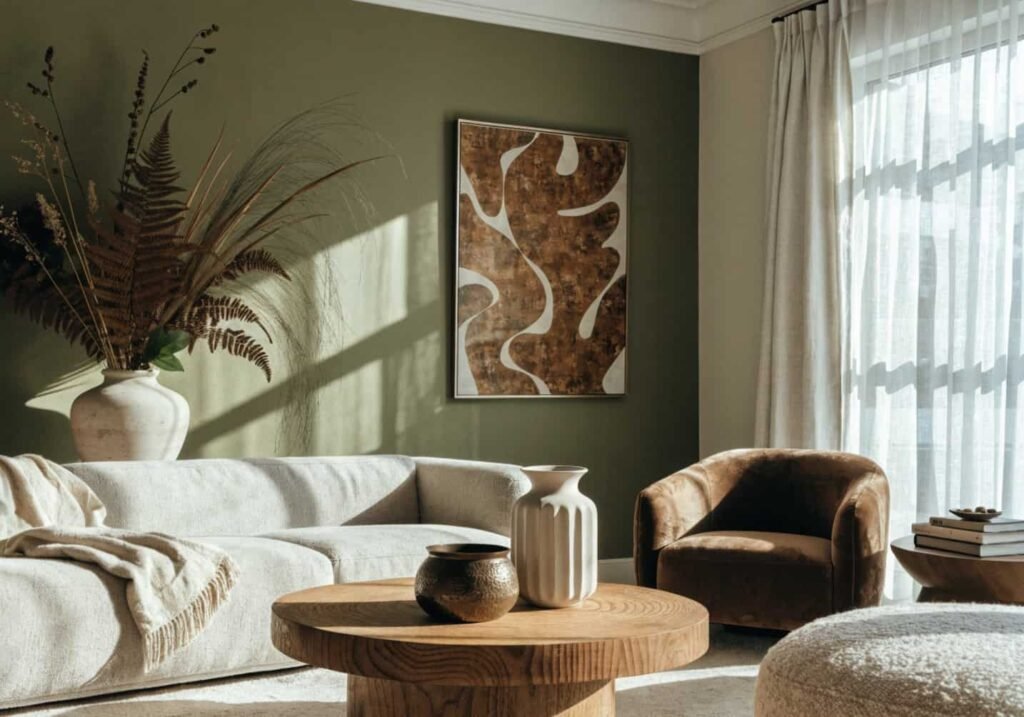
Every year brings new color trends, and 2026 is leaning heavily into earthy, grounded tones that feel connected to nature. Shades like clay red, olive green, and warm terracotta are showing up in home decor magazines and interior design accounts everywhere. Unlike the cooler greys that dominated the past decade, these newer tones feel cozy and inviting, almost like bringing a bit of the outdoors inside. When I recently repainted my hallway wall in a muted olive shade, several friends mentioned it felt calming yet still bold enough to stand out. If you want your living room to feel current without following short-lived trends, earthy tones are a safe yet stylish choice that tends to age well over the years.
Budget-Friendly Living Room Refresh Ideas
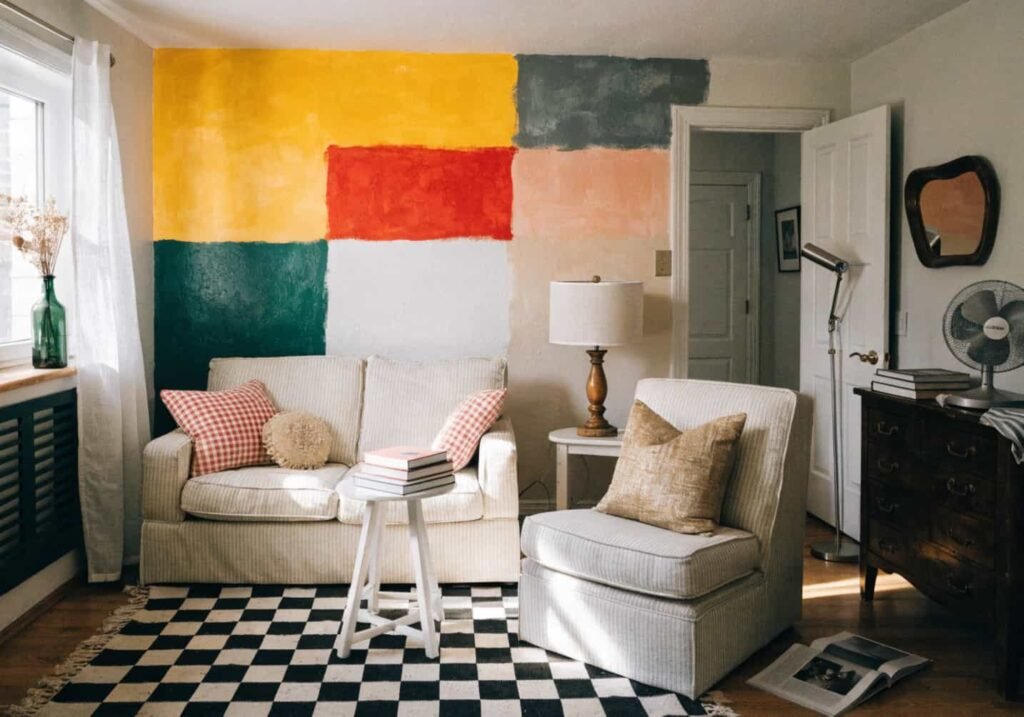
Not everyone has a big budget for a full makeover, and honestly, you don’t need one to make a real difference. A gallon of paint is often the cheapest way to transform a room, but there are other tricks too, like using removable wallpaper or even fabric panels stapled to a frame. When I was a college student on a tight budget, I created an accent wall using leftover paint samples in a color-blocked pattern, and it barely cost me anything yet looked completely custom. Thrifted mirrors, secondhand frames, and DIY shelving can also draw attention to your feature wall without draining your wallet. The goal is creativity over spending, proving that a beautiful living room refresh does not have to come with a high price tag.
Making an Open-Plan Space Feel Defined
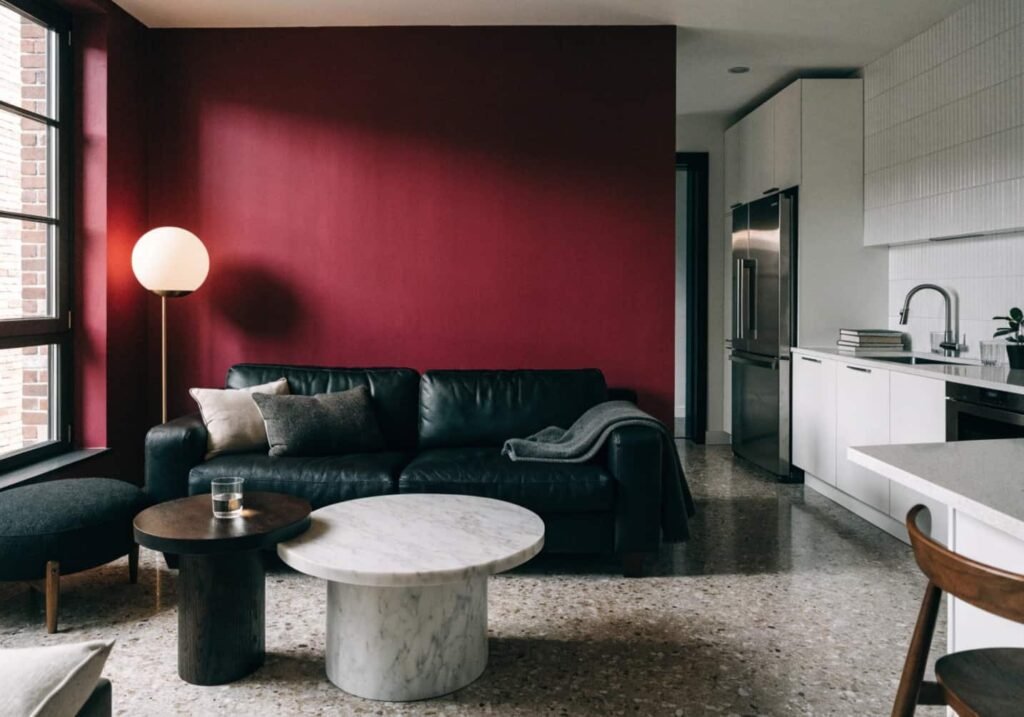
Open-plan homes look beautiful, but they can sometimes feel like one giant blurry space without clear boundaries between areas. An accent wall is one of the simplest ways to define your living room within an open floor plan, giving it a sense of identity separate from the kitchen or dining area. I saw this work perfectly in my cousin’s apartment, where she painted the living room wall a rich burgundy while keeping the kitchen walls white, instantly creating a visual boundary without needing any actual construction. This trick works especially well in apartments or lofts where walls are limited, since color alone can signal where one space ends and another begins. It is a simple, affordable way to bring structure to an otherwise open and undefined layout.
Conclusion
Creating an accent wall is one of those small changes that ends up making a huge difference in how your living room feels day to day. Whether you go bold with color, add texture with wood or brick, or simply use paint to define an open space, the goal is always the same, making your home feel more like you. I have tried several of these ideas in my own space over the years, and every single time, that one wall became the reason people noticed the room at all. You don’t need a massive budget or a professional designer to pull this off, just a little patience, some creativity, and the willingness to try something different. Pick a wall, choose a color that speaks to you, and let your living room finally reflect the personality it deserves.