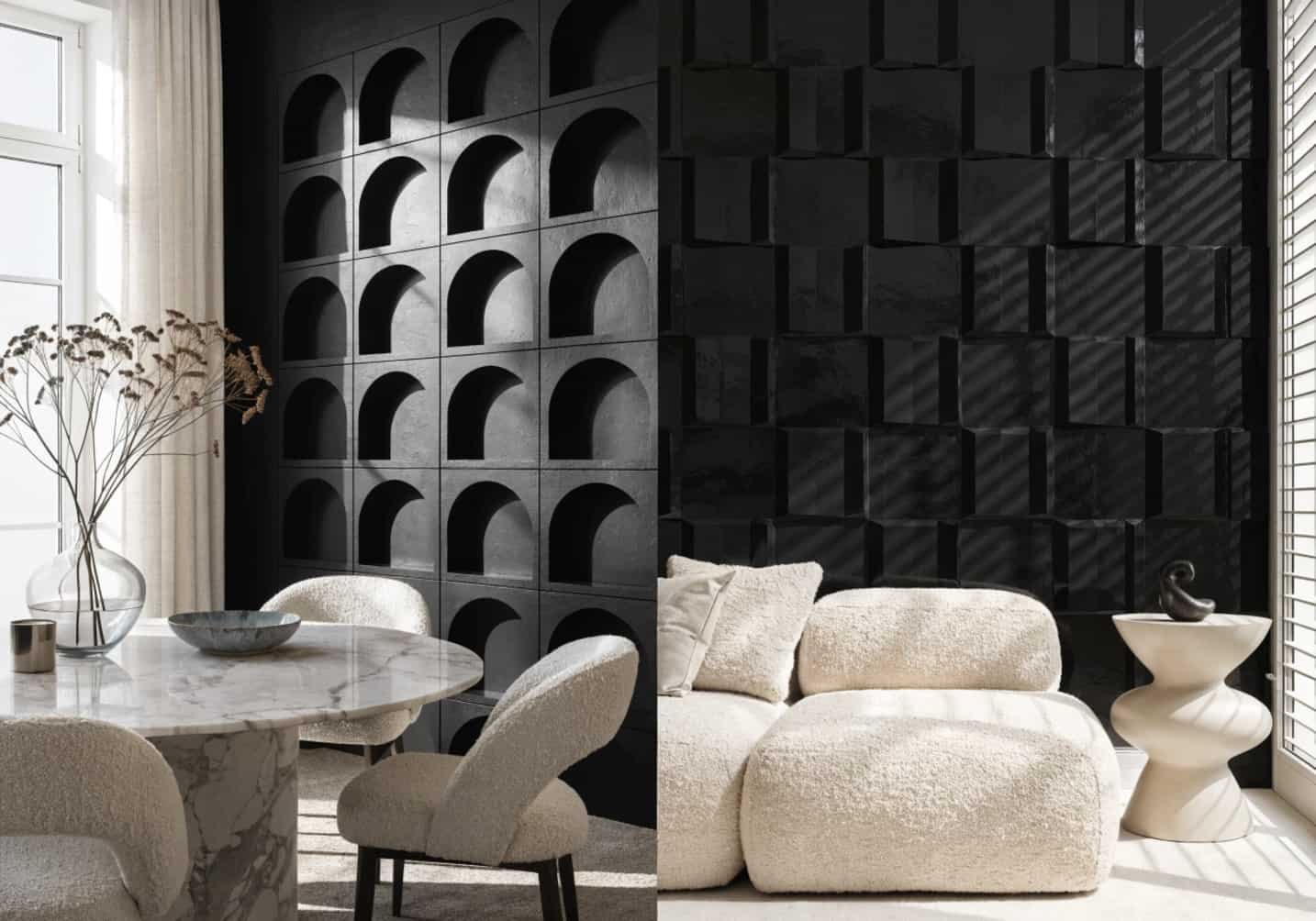
Black walls used to scare people off. Now they’re one of the fastest ways to make a room feel expensive, calm, and put together. If you’ve been staring at a plain wall wondering what would actually make your space feel different, this is it. Black isn’t cold or gloomy when it’s done right — it’s warm, grounding, and honestly a little dramatic in the best way. Below are nine ways to think about a black accent wall, whether you’re working with a tiny apartment or a big open living room. Grab a coffee, and let’s go through them one by one.
A Wall That Changes the Whole Room’s Mood
There’s something about a black wall that just shifts the energy of a room the second you walk in. A space that felt flat or forgettable suddenly feels like it has a personality. It’s not about making the room darker — it’s about giving your eye somewhere to land. Think of it like the little black dress of interior design: it works with almost anything and never really goes out of style. Even in small apartments, one black wall can make the rest of the room feel brighter by contrast, because your brain reads the lighter walls as more open once there’s a dark anchor point. It’s a small change with a surprisingly big emotional payoff, and that’s exactly why designers keep coming back to it.
The Secret to a High-End Looking Space
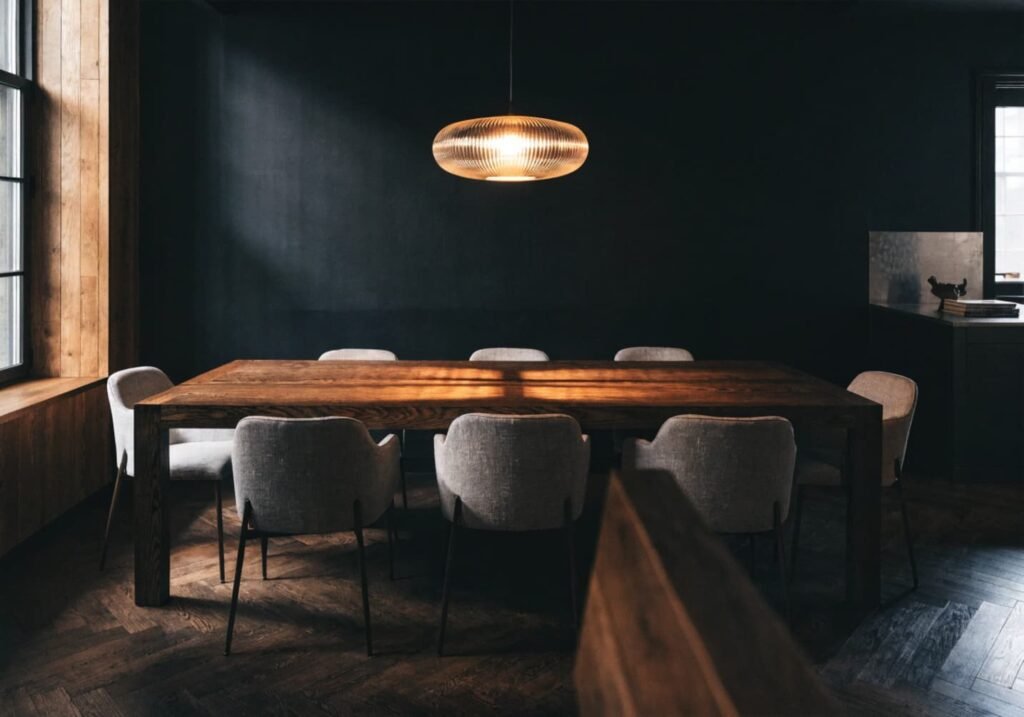
Ever walked into a hotel lobby or a boutique store and wondered why it felt so much richer than your own living room, even though the furniture wasn’t that different? A lot of the time, it’s the wall color doing quiet work in the background. Black has this effect of making everything else in the room look more intentional, almost like it was styled by a professional. Gold hardware pops more. Brass lamps glow warmer. Even a basic beige sofa suddenly reads as “designer” instead of “default.” That’s the real secret — black doesn’t compete with your furniture, it frames it. You don’t need marble floors or custom cabinetry to get that upscale feeling. Sometimes it really is just one well-placed dark wall doing all the heavy lifting.
Pairing Black Walls with Brass, Glass, and Velvet
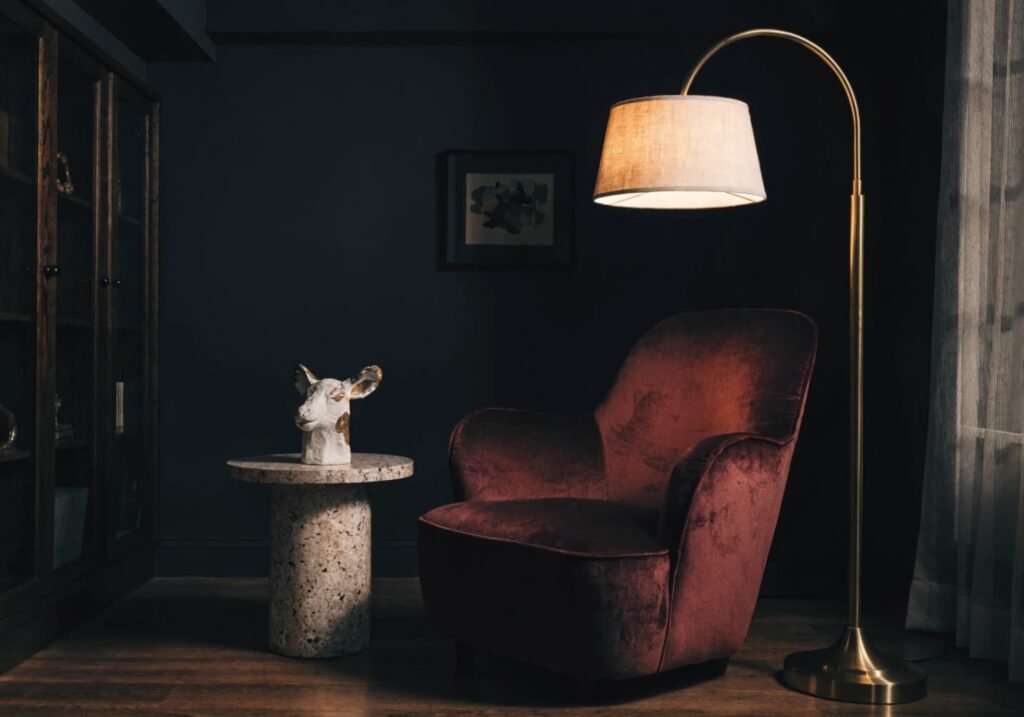
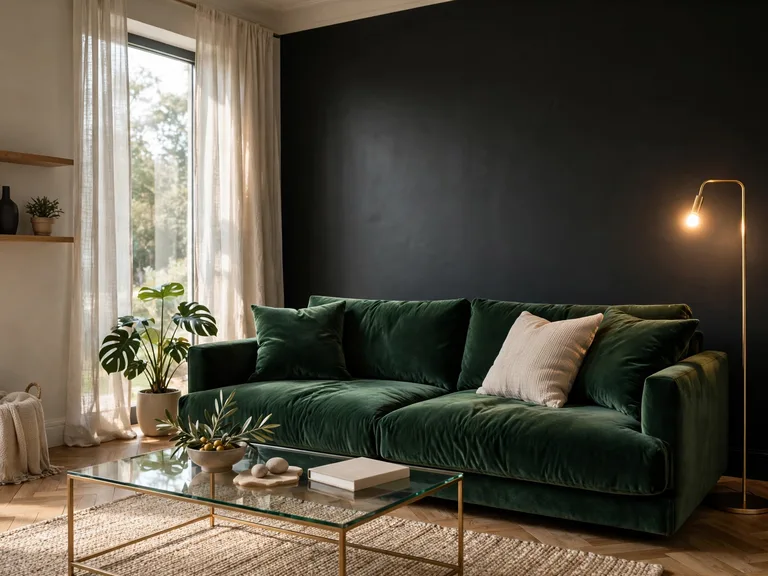
Brass is the fastest way to warm up a black wall. A slim brass floor lamp, a pair of brass picture frames, or brass handles on a cabinet catch the light and stop the wall from feeling flat. Glass does the other job: a glass coffee table or a tall glass vase keeps the room feeling open, because your eye travels through it instead of stopping at another solid block. Then add velvet — a deep green or burnt-orange cushion, or a velvet armchair — and the wall feels soft rather than severe. The trick is to let each material do one job: brass for warmth, glass for lightness, velvet for softness. Mix all three and the black wall stops being a risk and starts being the best decision in the room.
From Plain to Powerful: One Wall Makeover
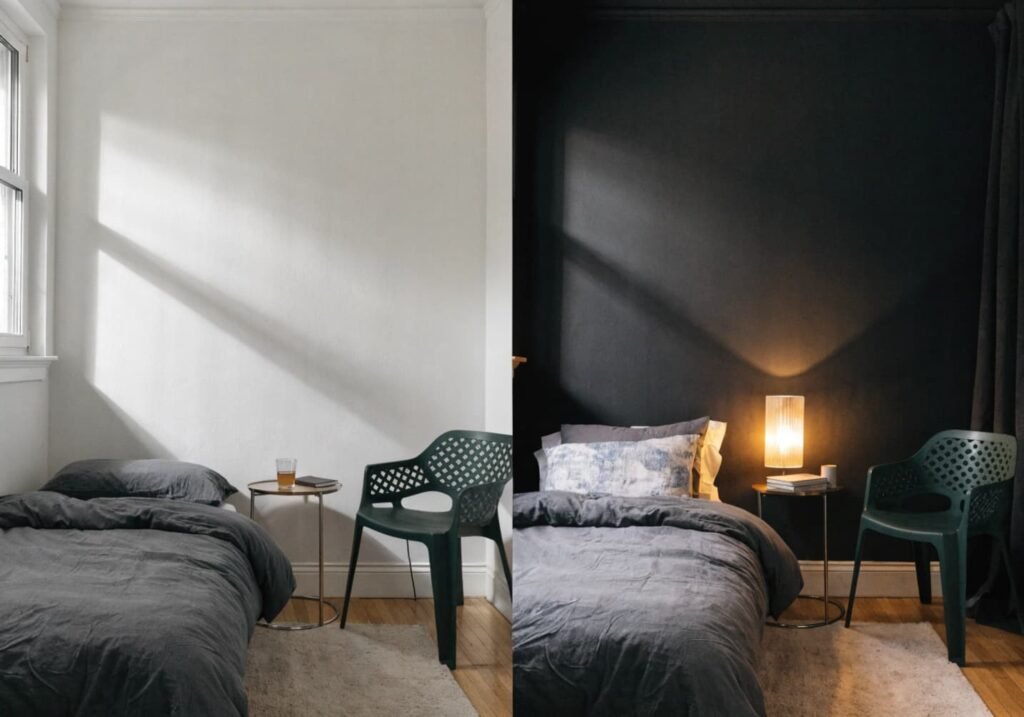
Sometimes all a room needs is one wall to completely change how it feels to live in. I know someone who painted just the wall behind their bed black on a random Saturday afternoon, expecting it to feel too intense, and instead it made the whole bedroom feel like an actual retreat instead of just a place to sleep. That’s the power of a single wall makeover — low commitment, low cost, but a genuinely big visual shift. You’re not repainting the whole house or spending a fortune on new furniture. You’re taking one flat, ignored surface and turning it into the focal point of the room. If you’ve been putting off a bigger renovation because of time or budget, this is the shortcut that actually delivers real results.
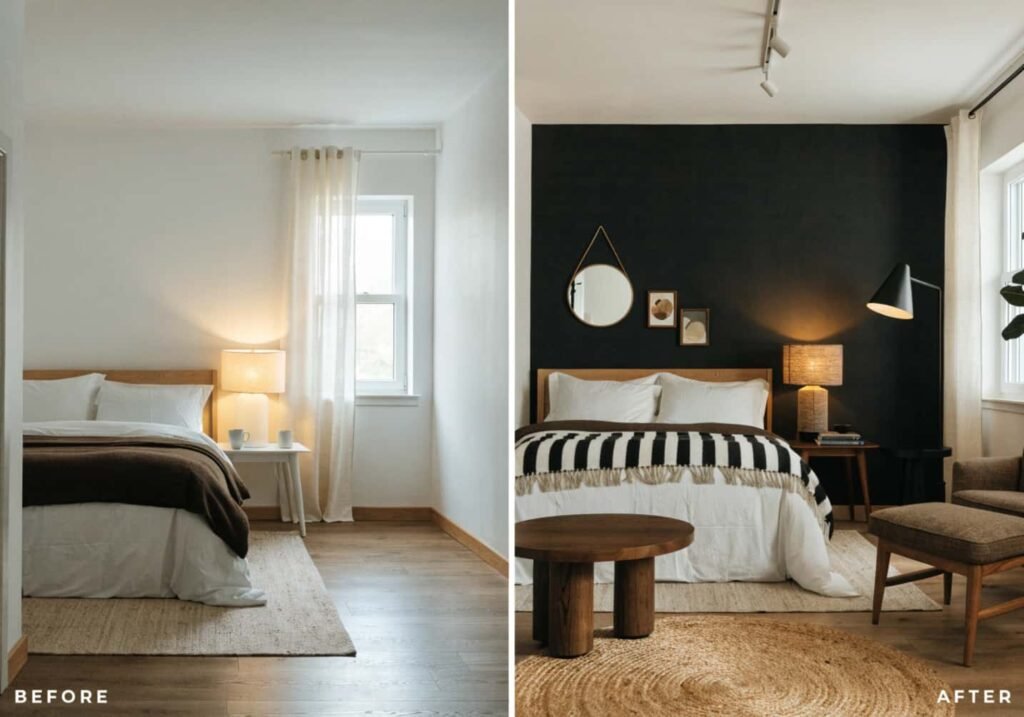
Black Walls Aren’t Just for Big Rooms
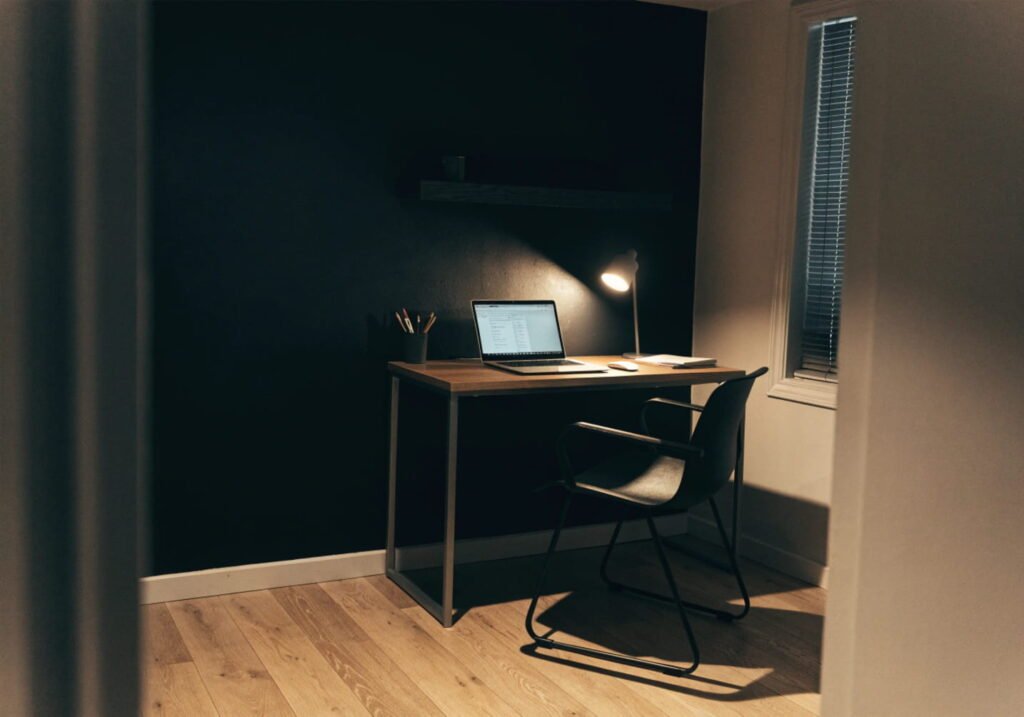
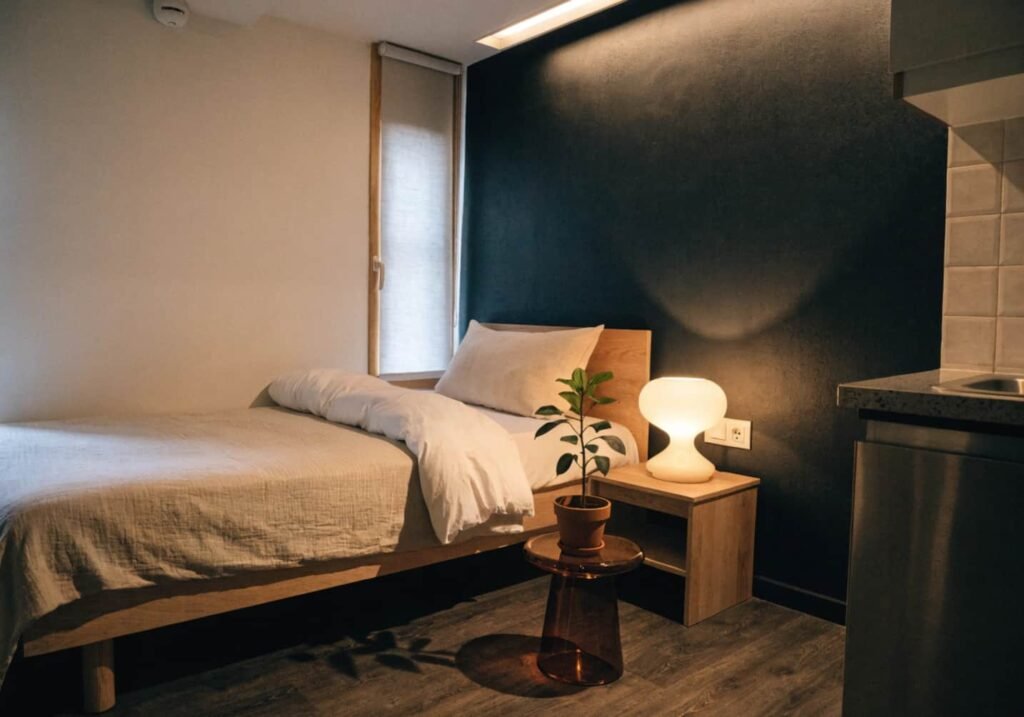
There’s a myth floating around that dark colors shrink small rooms, but that’s not really true once you see it done well. In smaller spaces, a black wall can actually create depth, almost like the wall disappears into shadow instead of closing the room in. Think of a small home office or a narrow hallway — instead of fighting the size of the space, you lean into it and let the black wall make it feel cozy and intentional rather than cramped and awkward. The key is keeping the rest of the room simple, with good lighting and not too much clutter. A tiny black-walled nook with a good lamp and one great chair can feel more thoughtful than a huge beige room with nothing going on.
Cleaning and Caring for a Black Wall
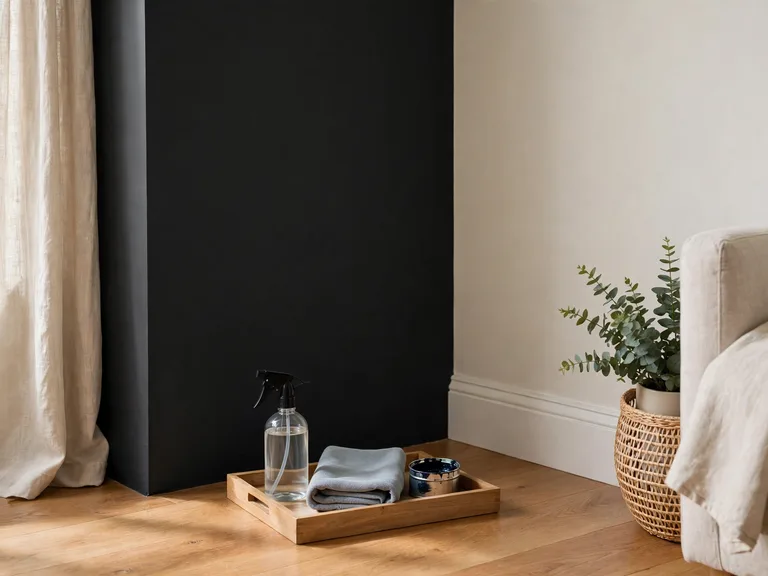
A black wall shows everything — dust, fingerprints, and scuffs that a white wall would hide. That sounds like a drawback, but it is easy to handle with a simple routine. Start with a dry microfiber cloth once a week; it lifts dust without leaving streaks. For marks, dab — never scrub — with a damp cloth and a drop of mild soap, then dry the spot so no water mark stays behind. Keep a pot of your exact paint for touch-ups, because a tiny dab covers a scuff in seconds and keeps the wall looking painted. Avoid harsh cleaners and rough sponges; they dull the finish and leave shiny patches. A little care is all it takes to keep a black wall looking intentional instead of tired.
Design Rule: Balance Dark with Bright Accents
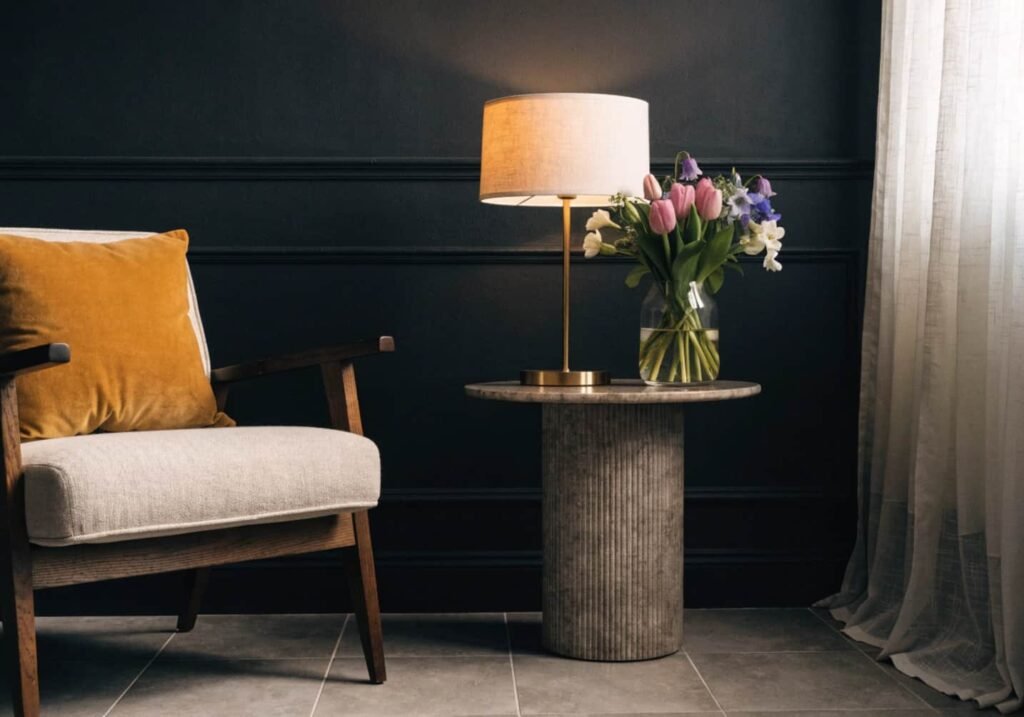
Black walls work best when they’re not left to do all the work alone. Bring in bright accents — a mustard cushion, a cream lampshade, some greenery, or even a bold piece of art — and the room instantly feels balanced instead of heavy. Think of the black wall as the stage and your accent pieces as the performers. Without them, the room can feel a little flat or even gloomy, but with a few well-placed bright touches, it feels curated and warm. This is honestly one of the easiest design rules to follow because it doesn’t require expensive pieces, just a bit of color awareness. Even a single vase of fresh flowers against a black wall can completely change how the whole room reads.
A Design Choice Worth the Risk
I get it, painting a wall black feels like a big commitment, and it’s normal to hesitate before doing it. But here’s the thing — paint is one of the most reversible design choices you can make. If it doesn’t work out, you repaint it, and you’re only out a weekend and a can of paint. Compare that to the payoff when it does work, which is honestly most of the time when it’s planned with a little care. Rooms that once felt boring suddenly become the space people comment on when they walk in. It’s a low-risk, high-reward move, and most people who try it end up wishing they’d done it sooner instead of regretting it. Sometimes the boldest choice really is the smartest one.

Depth, Drama, and Character in One Coat
There’s a reason designers keep calling black the new neutral. One coat of paint and a plain wall suddenly has depth it never had before. Shadows sit differently, corners feel more defined, and the whole room picks up a bit of drama without needing extra decor to get there. It’s one of the rare design choices that adds so much character with so little effort. You’re not hanging wallpaper, you’re not adding molding, you’re just changing the color and letting the paint do the storytelling. For anyone who wants their home to feel less like a rental and more like a space with an actual point of view, this is one of the simplest ways to get there.
Making a Small Space Feel Intentional
The biggest difference between a room that feels “thrown together” and one that feels intentional usually comes down to confidence in the choices made. A black accent wall says, without saying it out loud, that this space was designed on purpose. Even in a studio apartment or a rented flat where you can’t change much, painting one wall black (with landlord permission, of course) can make the whole place feel like it has direction instead of just being a collection of furniture. It’s a small, affordable way to make a space feel like yours, like you actually thought about how you want to live in it, instead of just filling it up with whatever fit.
Conclusion
A black accent wall isn’t just a trend — it’s one of the easiest, most affordable ways to make a room feel more thoughtful, warmer, and a little more luxurious without a full renovation. Whether you’re working with a huge living room or a tiny studio apartment, the same idea holds true: one dark wall, the right furniture, some texture, good lighting, and a few bright accents can completely change how a space feels to live in. If you’ve been on the fence about trying it, this is your sign to just go for it. Worst case, you repaint. Best case, you finally get that room you keep pinning on your mood board but never actually made real.