1. Open-Plan Layout
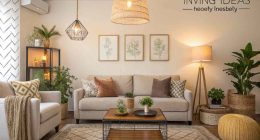
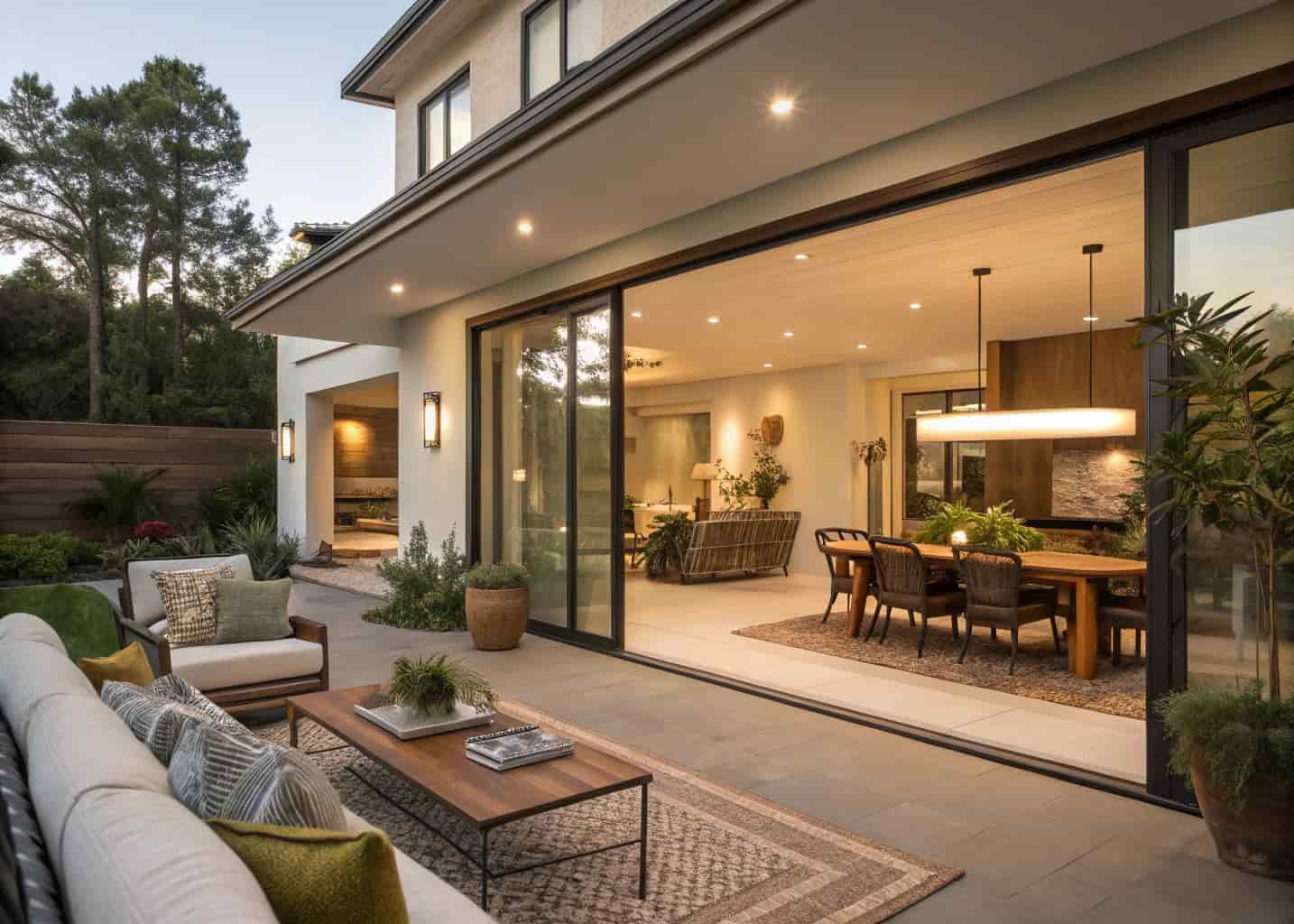
Indoor Outdoor Living Creating an open-plan layout is the easiest way to connect your indoor and outdoor spaces. By removing unnecessary walls and barriers, you allow natural light and fresh air to flow freely. A dining area near a patio or sliding doors can instantly merge the two areas. Adding similar flooring or rugs for both indoor and outdoor zones also enhances continuity. Choose neutral colors and simple furniture for a seamless transition. This design feels inviting and practical for daily life or entertaining guests. Your home will appear larger and more cohesive.
2. Sliding or Folding Glass Doors
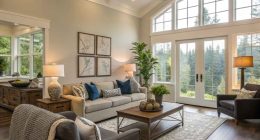
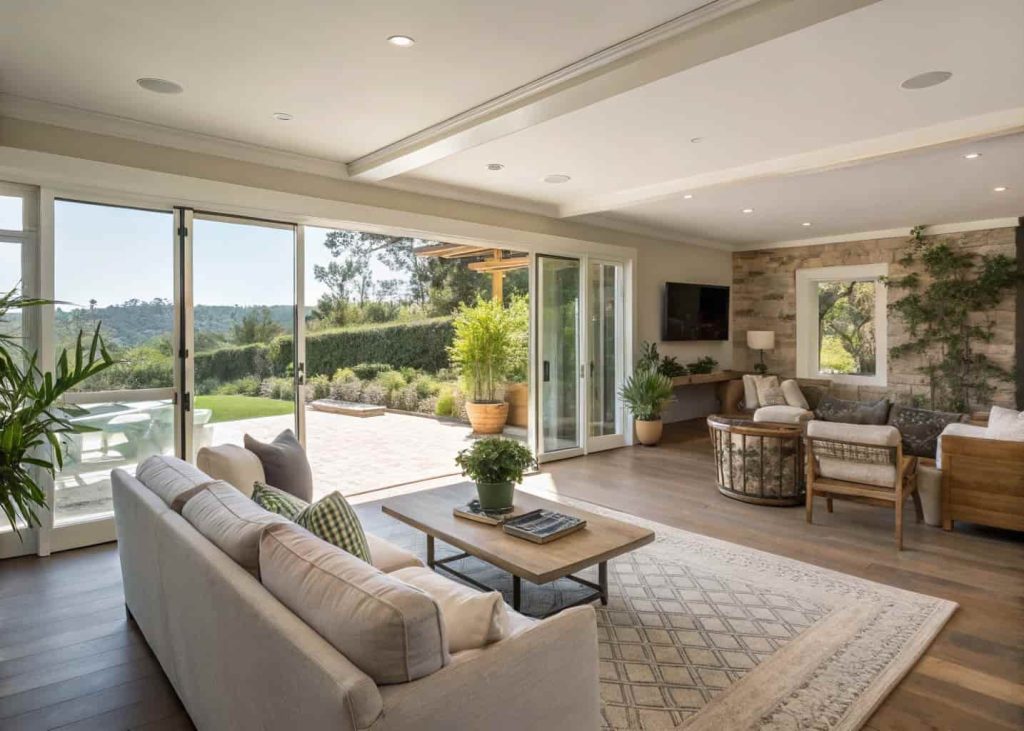
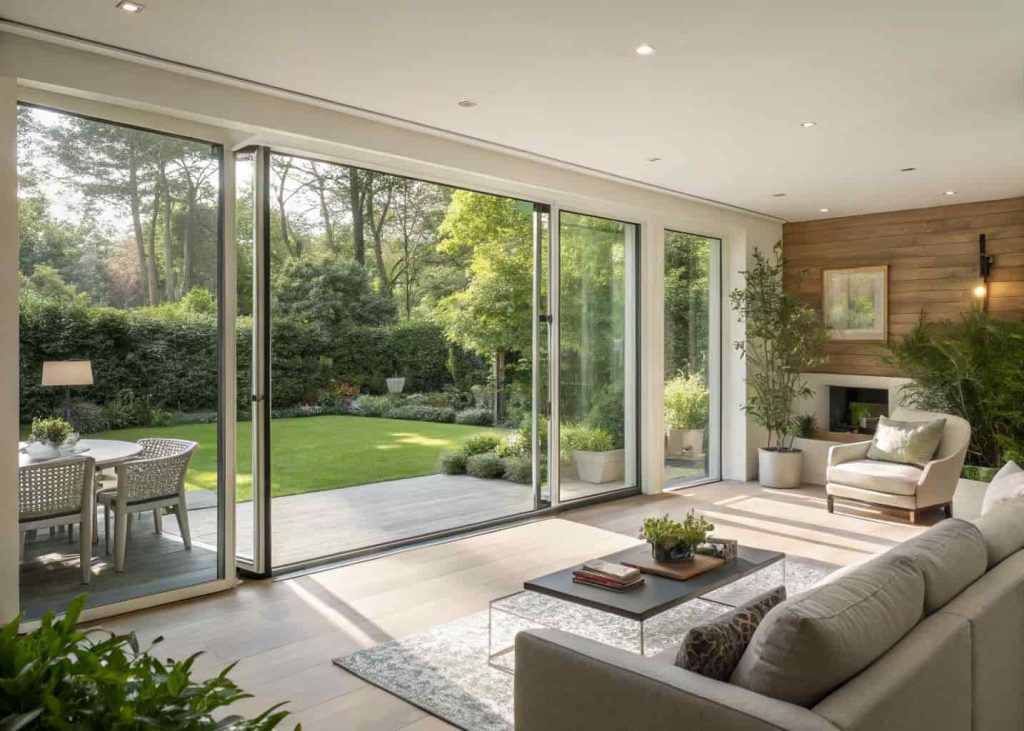
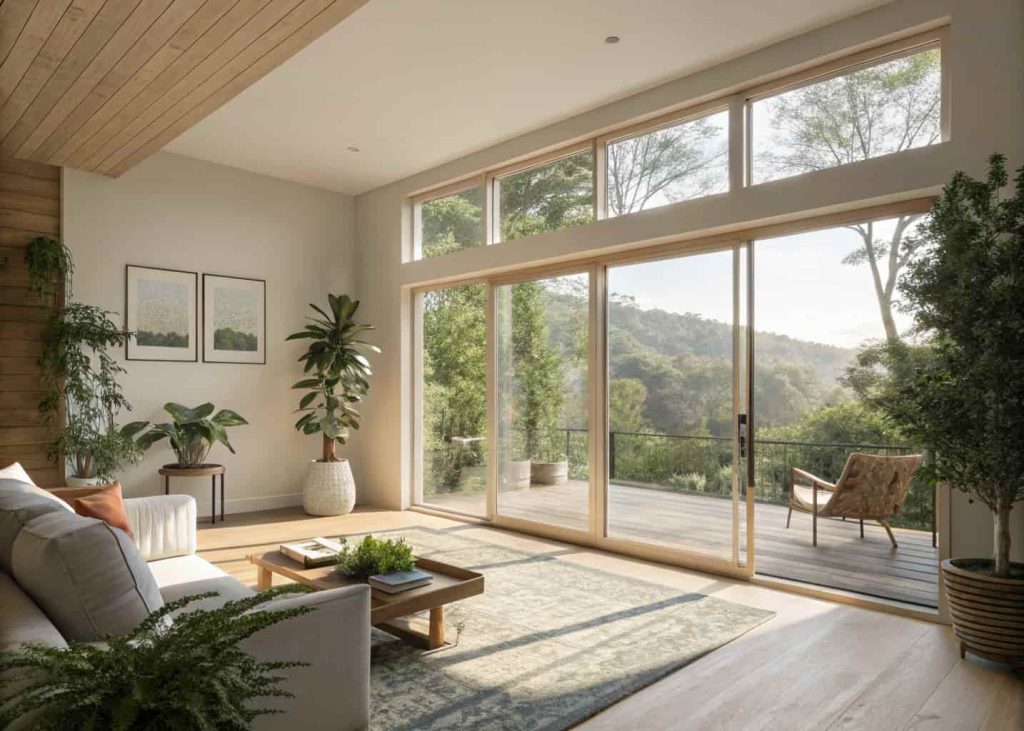
Installing sliding or folding glass doors is a perfect way to blur the line between inside and outside. These doors can be fully opened to merge your living room with a deck or garden. When closed, they still provide stunning views of the outdoors while protecting from weather. This approach maximizes sunlight, making rooms brighter and airy. Choose sleek frames in black, white, or wood tones for a modern yet warm look. These doors are not only practical but also add a luxurious feel to your home, creating a true indoor-outdoor connection.
3. Consistent Flooring
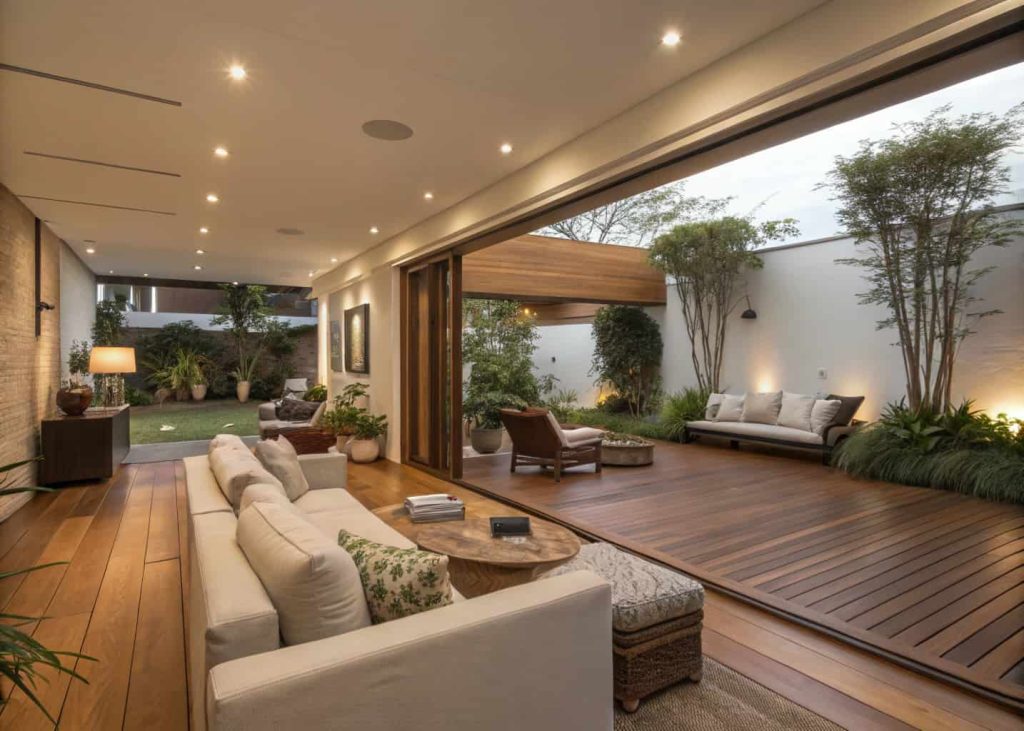
Using the same flooring indoors and outdoors visually connects both spaces. Materials like wood, stone, or tiles can run continuously from your living room to your patio. This approach creates harmony and a natural flow. If exact matching isn’t possible, choose complementary colors and textures. This technique is subtle but highly effective in making your home feel larger and more unified. Add rugs or mats that tie indoor and outdoor elements together. Consistent flooring ensures a seamless transition for barefoot comfort, easy cleaning, and a stylish, coordinated look.
4. Outdoor Living Room
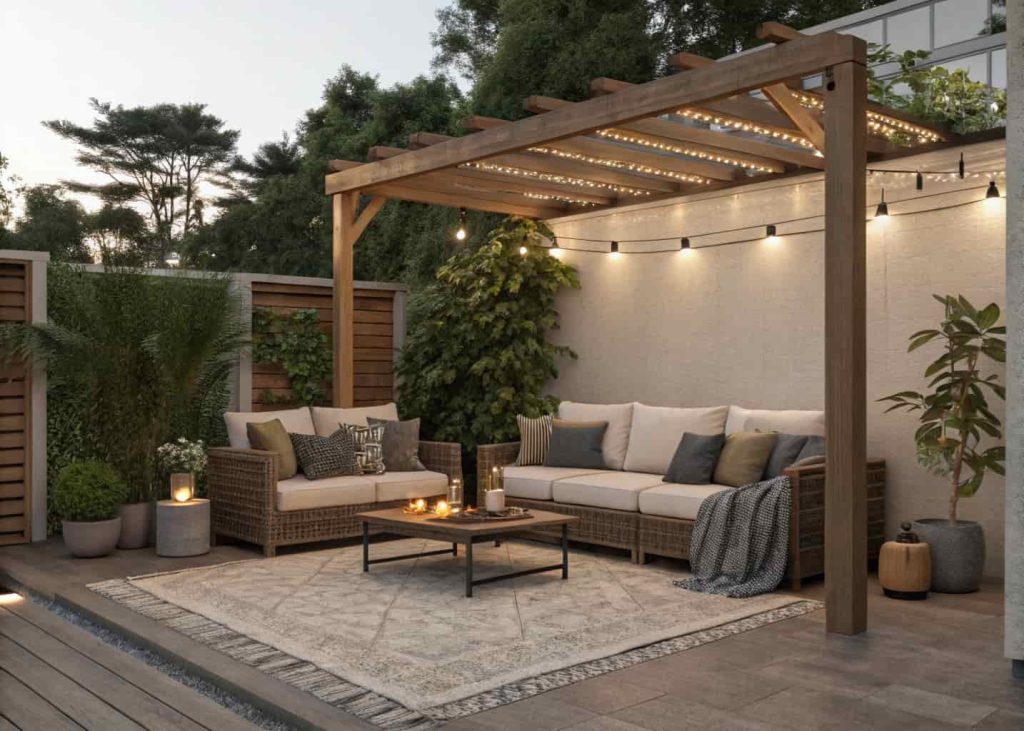
An outdoor living room can become an extension of your indoor space. Use comfortable sofas, coffee tables, and rugs to create a cozy environment. Add throw pillows and blankets to make it inviting year-round. Shade options like pergolas or umbrellas provide comfort during sunny days. Outdoor lighting enhances ambiance during evenings. With these elements, your patio or backyard becomes a true second living room. This setup encourages relaxation, socializing, and enjoying fresh air without leaving the comfort of your home. Choose durable furniture to withstand weather while maintaining style.
5. Indoor Plants Everywhere
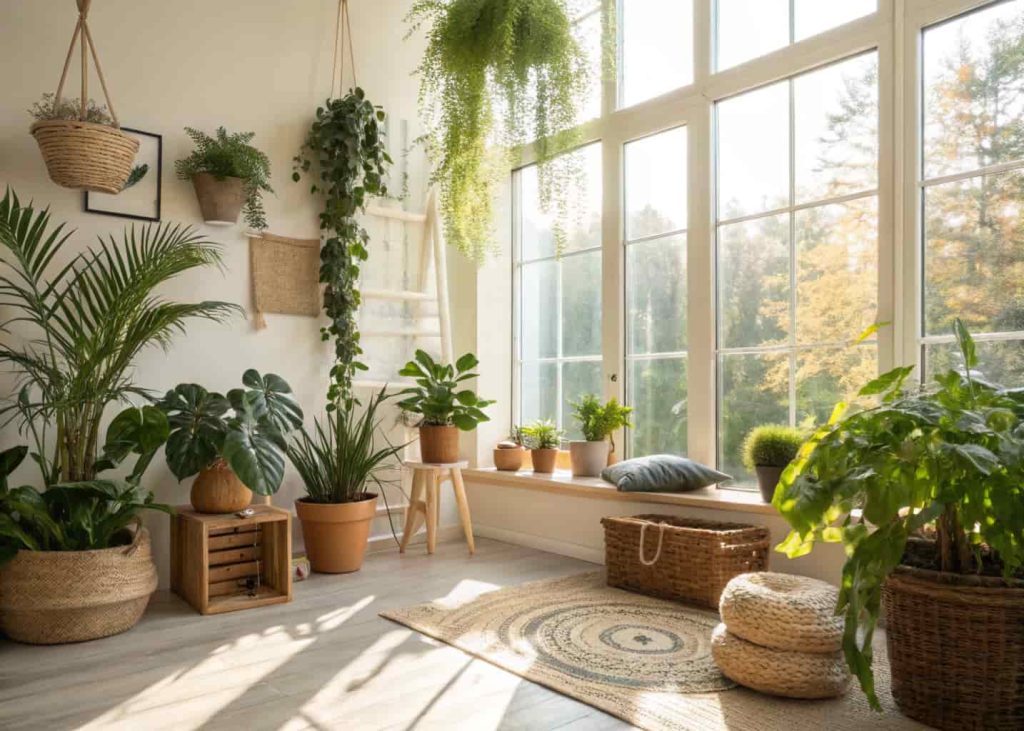
Plants naturally connect indoor and outdoor spaces. Place large potted plants near windows or doors and smaller ones on shelves. Hanging plants or vertical gardens work beautifully for walls. Indoor greenery brings freshness, improves air quality, and softens transitions. Consider herbs or easy-care plants for practicality. When you use similar plants indoors and outdoors, the spaces feel linked. Choose stylish planters that match your decor. This simple addition enhances aesthetics, creates a serene environment, and encourages a healthy, nature-inspired lifestyle in your home.
6. Outdoor Kitchen or Bar
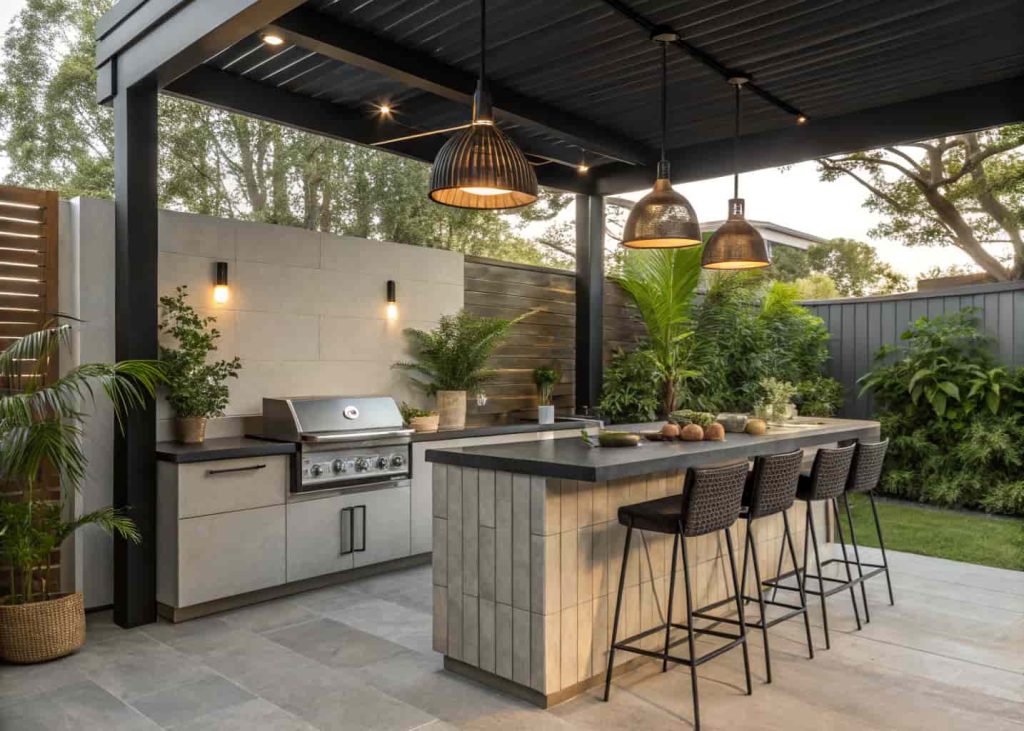
Creating an outdoor kitchen or bar area encourages people to spend time outside. Equip your patio with a grill, countertop, and seating. Use similar materials as your indoor kitchen for a cohesive look. This design is perfect for hosting gatherings or family meals. Lighting and weather protection make it usable day and night. Add small decorative touches like potted herbs or candles to make it inviting. An outdoor kitchen expands your living space, making the patio functional and stylish while seamlessly connecting it with indoor cooking areas.
7. Use of Natural Light
Large windows, skylights, and glass doors allow natural light to flood indoor spaces. This enhances the connection to the outdoors. The more sunlight enters your home, the more open and cheerful it feels. Mirrors can amplify light while reflecting outdoor views. Light-colored walls and minimalistic decor help brighten interiors. By designing spaces to maximize sunlight, your home feels airy, welcoming, and visually connected to nature. This simple technique creates a seamless indoor-outdoor experience without extensive renovations.
8. Matching Furniture Style
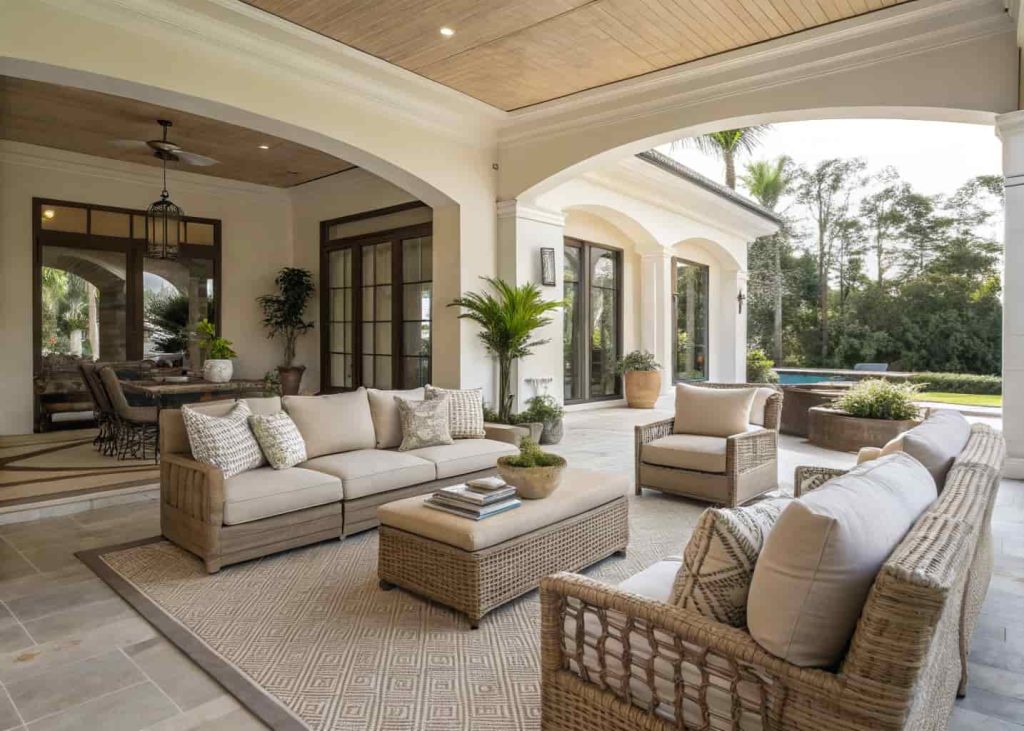
Choose furniture styles and colors that flow from indoors to outdoors. For example, if you have a modern indoor sofa, pick similar outdoor seating. Materials like wicker, wood, or metal with matching cushions enhance harmony. Coordinated decor ensures the two spaces feel like one. Accessories such as rugs, lanterns, or throw pillows can tie the areas together. Matching furniture creates a visual rhythm, making your home appear stylish, intentional, and balanced. This attention to detail elevates your indoor-outdoor living experience significantly.
9. Outdoor Rugs
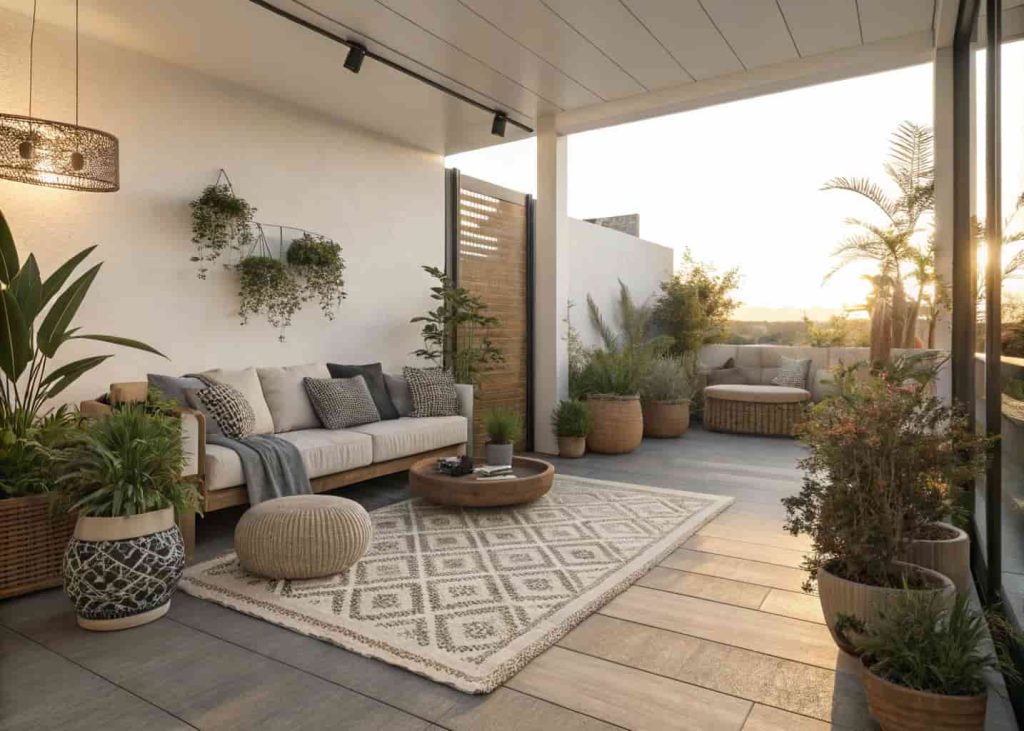
Outdoor rugs create defined areas and soften hard surfaces. Use them to extend indoor comfort to patios or decks. Choose colors and patterns that complement your interior style. Rugs help anchor furniture, making outdoor spaces feel like a true extension of your home. Durable, weather-resistant materials ensure longevity while providing warmth underfoot. By blending indoor and outdoor rugs, your spaces visually connect, encouraging relaxation and style continuity. This small addition adds comfort, personality, and cohesion to your seamless living environment.
10. Fire Pits or Heaters
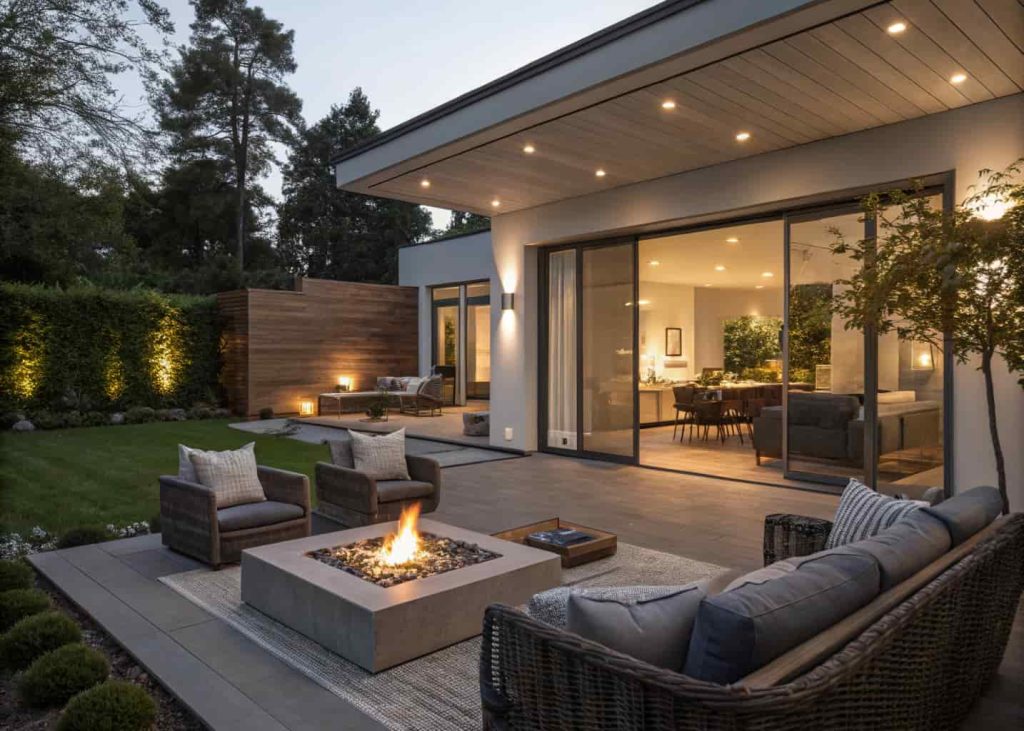
Adding a fire pit or outdoor heater encourages year-round outdoor living. It creates a cozy gathering spot for evenings or cooler weather. Surround it with comfortable seating and soft lighting to enhance ambiance. Choose materials that match indoor decor for continuity. Fire elements make your patio inviting, creating a natural focal point and enhancing the indoor-outdoor flow. This feature promotes socializing, relaxation, and a connection with nature while seamlessly extending your indoor living space.
11. Outdoor Lighting
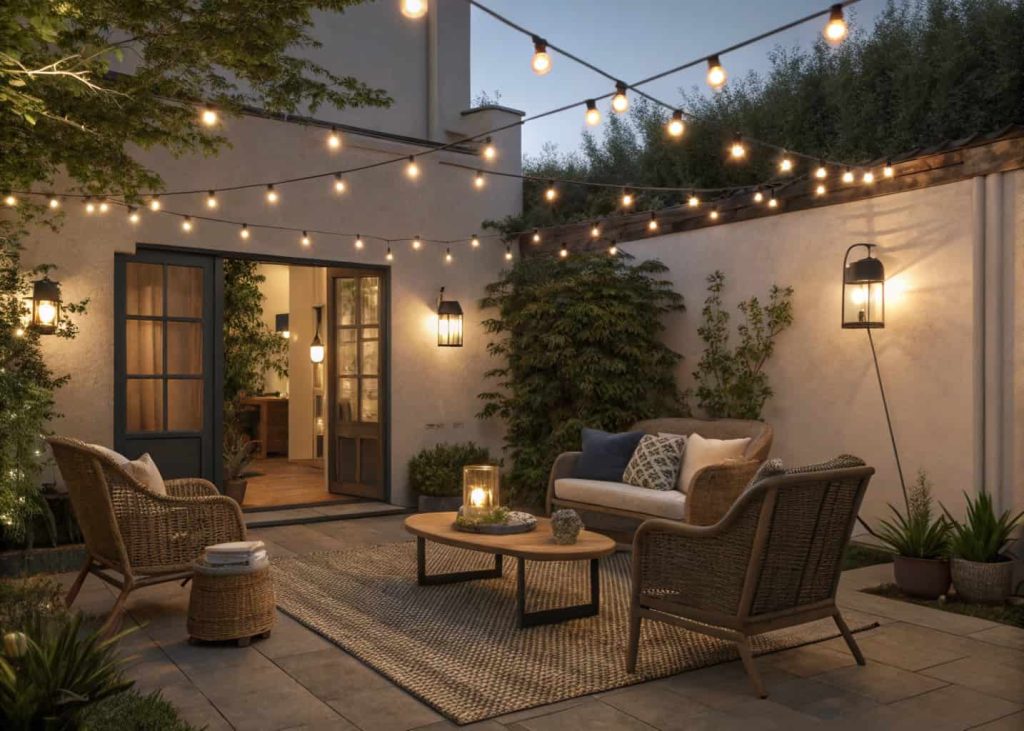
Strategic outdoor lighting enhances beauty and functionality. Use string lights, lanterns, or pathway lights to highlight patios and gardens. Lighting creates a warm, welcoming atmosphere while connecting indoor and outdoor areas. Consider dimmable options for flexibility. Well-lit outdoor spaces extend usability after sunset, making your home feel larger and more inviting. Lighting also emphasizes architectural features and landscaping, contributing to a polished, seamless living experience.
12. Water Features
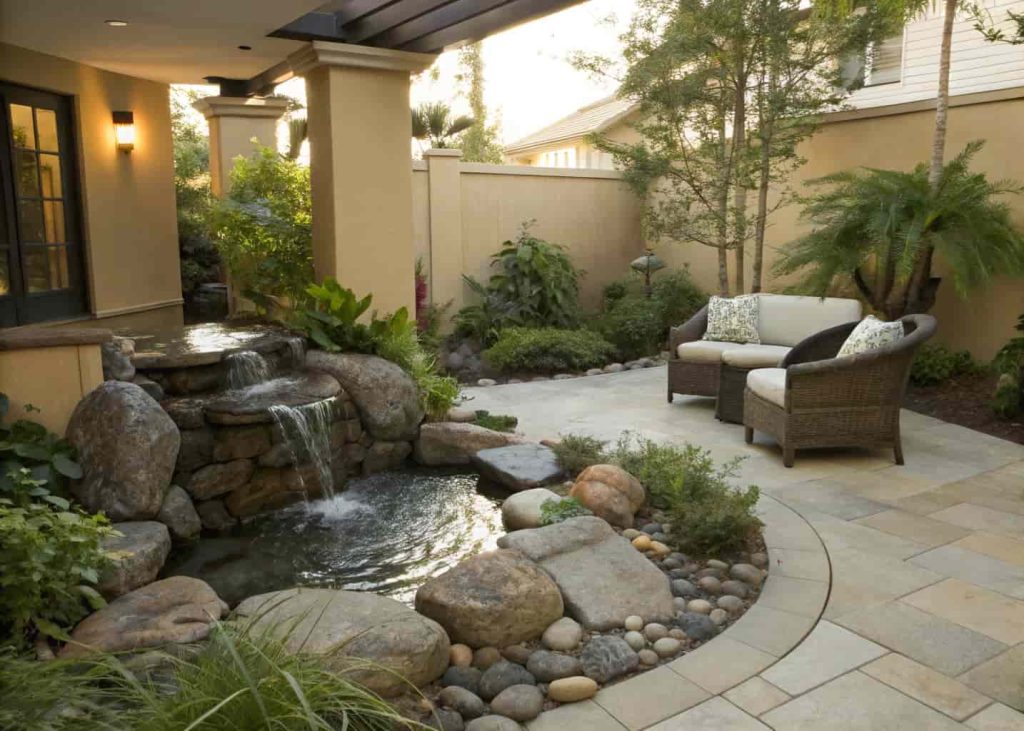
Adding a water feature like a fountain or small pond brings tranquility and movement to your outdoor space. The calming sound of water enhances relaxation and invites you to spend more time outdoors. Position it near indoor windows or seating areas to enjoy from both spaces. Integrating natural elements like rocks or plants around the water feature further connects indoors and outdoors. A well-designed water feature adds visual interest, serenity, and a luxurious touch to your seamless living environment.
13. Shade Structures
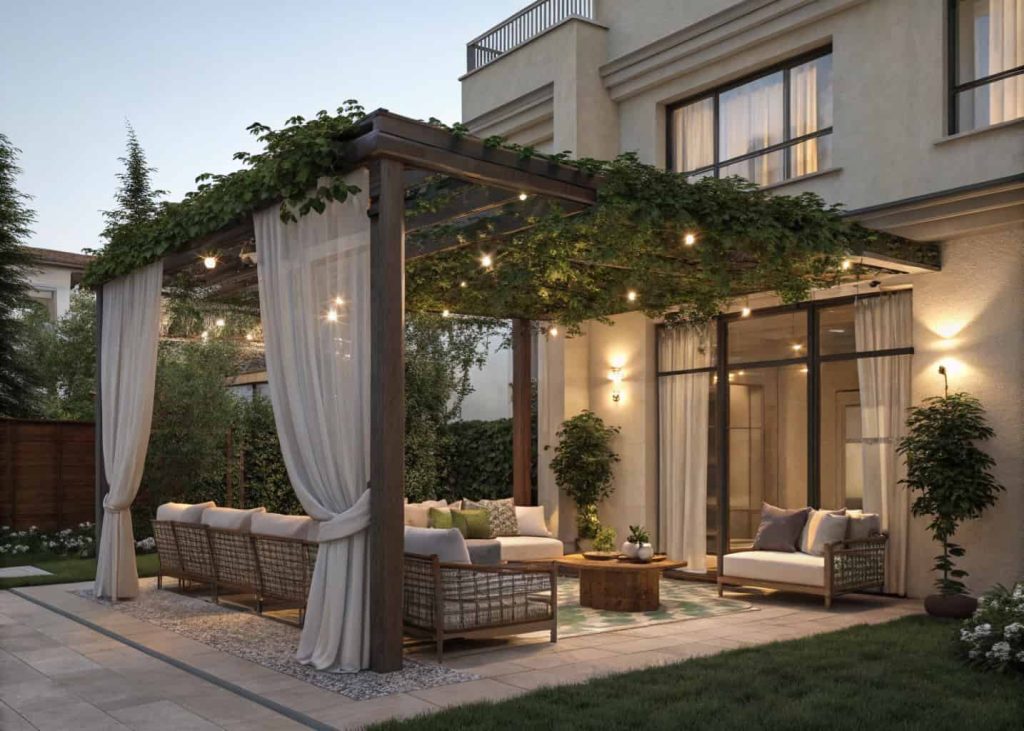
Shade structures like pergolas, awnings, or umbrellas make outdoor areas comfortable year-round. They provide shelter from sun or rain while visually connecting with your home. Materials and colors matching your indoor style strengthen continuity. Add climbing plants or curtains to enhance beauty and privacy. Shade structures allow you to enjoy outdoor spaces more frequently and comfortably, making patios, decks, or gardens true extensions of your indoor living areas. This simple addition improves usability, aesthetics, and the overall indoor-outdoor experience.
Conclusion
Creating a seamless indoor-outdoor living experience transforms your home into a more open, bright, and inviting space. By combining thoughtful design elements—like matching furniture, consistent flooring, sliding doors, and cozy outdoor areas—you can blur the lines between your interior and exterior. Small touches such as plants, lighting, water features, and shade structures make your outdoor spaces functional and relaxing year-round. With these ideas, your home will feel larger, more connected to nature, and perfect for both daily living and entertaining guests. Indoor-outdoor harmony truly enhances comfort, style, and overall well-being.