
1. Minimalist Kitchen Design
Modern Kitchen Design often follow a minimalist style that focuses on simplicity and clean lines. This design removes unnecessary decorations and keeps the space open and organized. Neutral colors such as white, grey, and beige are commonly used to create a calm and elegant atmosphere. Cabinets usually have flat panels and hidden handles to maintain a smooth appearance. A minimalist kitchen also makes cleaning easier and helps the space feel larger and brighter. Good lighting, simple countertops, and clutter-free surfaces are key elements of this trend. Many homeowners love this design because it gives the kitchen a modern and sophisticated look while still being very practical for daily cooking and family use.

2. Smart Kitchen Technology
smart kitchen technology an important part of modern kitchen design. Smart appliances like refrigerators with touch screens, voice-controlled lights, and smart ovens make cooking easier and more efficient. These devices can connect to your phone, allowing you to control settings even when you are not in the kitchen. Smart lighting systems can change brightness depending on the time of day, creating a comfortable environment. Motion sensor faucets are also popular because they save water and keep the sink area hygienic. Adding smart technology not only improves convenience but also makes the kitchen feel futuristic and advanced. Many modern homeowners choose these features to make their kitchen more functional while maintaining a stylish and elegant appearance.

3. Open Shelving for Renters: No-Drill Alternatives
If you rent, open shelving does not have to mean drilling into tile or plaster. Freestanding leaning shelf units, countertop shelf risers, and tension-mounted rails give the same airy display without permanent fixings, and they move with you when the lease ends. Adhesive-mounted rails can hold light items such as mugs and small plants, but keep heavy plates on a sturdy freestanding unit instead.
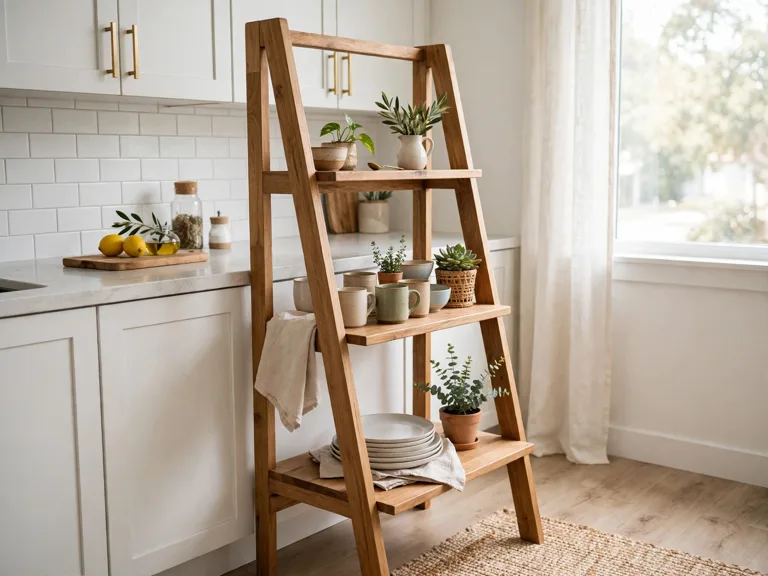
Style a rental shelf the way you would a fixed one: everyday items at arm height, decorative pieces up high, and nothing so crowded that dusting becomes a chore. When you move out, the shelves come down without a trace, which is the whole point.
4. Island Seating Layout: Stools, Overhang and Traffic Flow
An island only works as a gathering spot if the seating around it is planned, not added as an afterthought. For comfortable kitchen island seating, allow about 60 centimetres of width per stool and a knee overhang of roughly 30 centimetres, so nobody eats with their knees against a panel. Leave at least 90 centimetres of walkway behind seated stools, otherwise the cook and the guests constantly block each other.
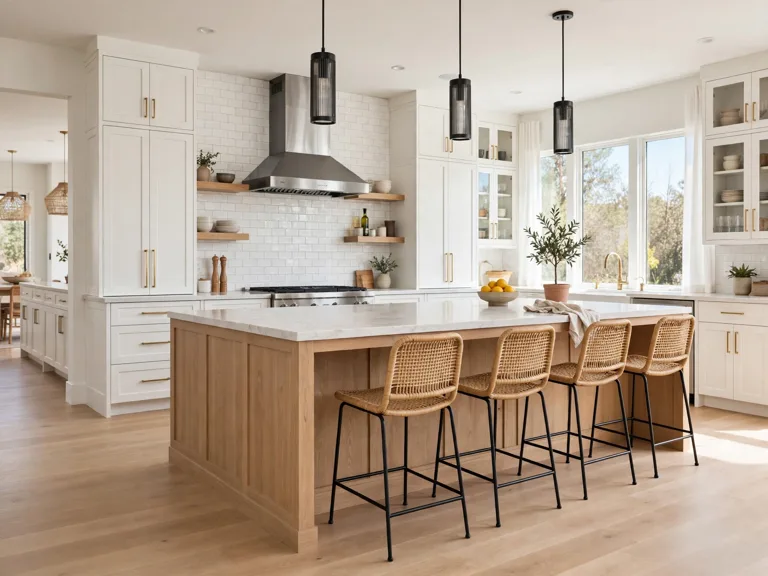
Backless stools tuck fully under the overhang and suit tight kitchens, while stools with a low back suit longer stays. Match stool height to the counter — about 60 centimetres for a standard counter, 75 for a raised bar — and the island stops being a showpiece and starts being the room’s most used seat.
5. Handleless Cabinet Care: Cleaning Flat Fronts Without Damage
Flat-front handleless doors look flawless on day one and show every fingerprint after it, so cleaning technique matters more than with handled cabinets. Wipe with a soft microfibre cloth barely dampened with warm water and a drop of mild dish soap, working in the direction of the grain or texture, then buff dry so no water sits in the finger-pull channel.
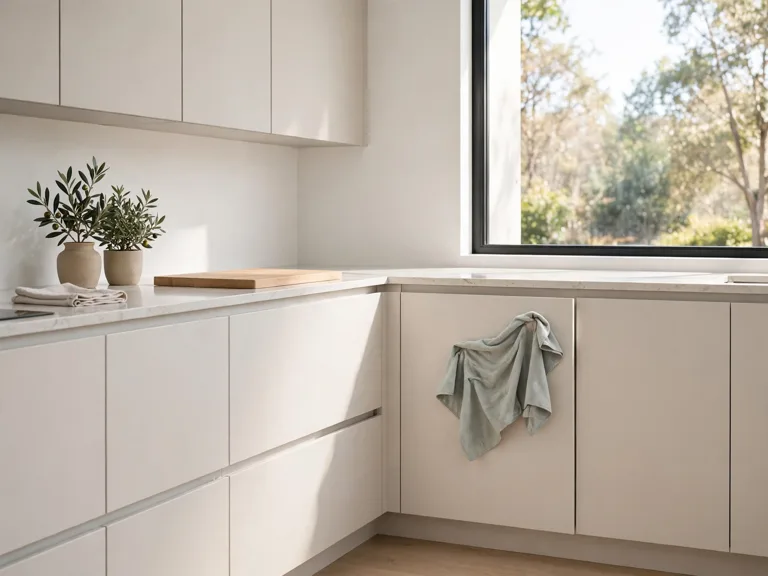
Skip abrasive pads and harsh sprays, which dull matte finishes and can leave shiny patches that show more than the dirt did. For stubborn marks near the pull groove, a soft brush reaches the recess without scratching the surrounding door, keeping the seamless look intact for years.
6. Natural Materials and Textures
Modern kitchens are increasingly using natural materials to create a warm and welcoming environment. Wood, stone, and natural textures add depth and character to the design. Wooden cabinets or accents can soften the look of a modern kitchen, making it feel more comfortable and inviting. Stone countertops like granite or quartz provide durability and beauty at the same time. Combining natural materials with modern appliances creates a balanced and stylish kitchen space. Many homeowners also add indoor plants to bring freshness and life into the room. This trend focuses on mixing modern design with elements inspired by nature for a more relaxed and elegant kitchen atmosphere.

7. Backsplash on a Budget: Peel-and-Stick Versus Tile
A bold backsplash does not require a tiler or a full renovation budget. Peel-and-stick tiles give instant pattern and colour, cost a fraction of ceramic tile, and can be removed when tastes change, which suits renters and anyone testing a dramatic look before committing.
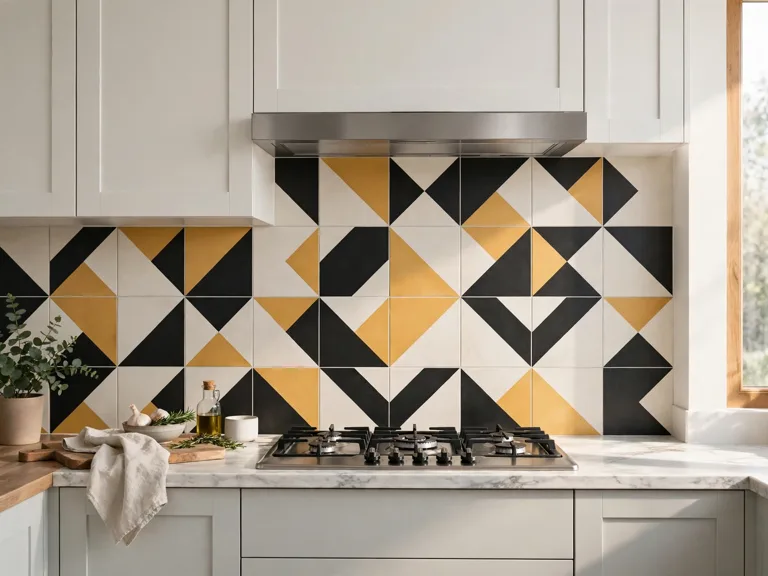
Real tile still wins on heat resistance behind a hob and on longevity in a busy family kitchen, while peel-and-stick suits splash zones away from direct heat. Whichever route you choose, order a single sample first and view it in your kitchen’s own light, because a pattern that looks rich in a showroom can turn garish under cool kitchen lighting.
8. Storage Zones: Grouping by Cooking Task
This is where modern designs focus most of their planning — not on adding more cabinets, but on grouping what you own by the job it does. Keep prep tools beside the chopping area, cooking oils and spices beside the hob, and baking trays near the oven, so each task pulls from one zone instead of five cupboards.
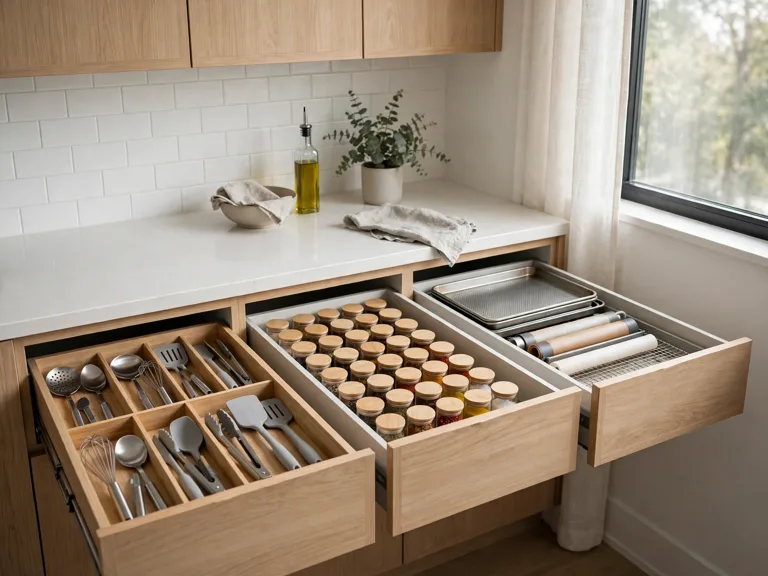
Audit each zone once a year and remove anything that has not been used in twelve months. A zone system only stays hidden and tidy if the contents earn their place, and a single drawer of rarely used gadgets quietly undoes the whole idea.
9. Lighting Controls: Dimmers, Zones and Bulb Choice
Statement fixtures get the attention, but controls decide whether the light actually works. Put kitchen lighting on separate dimmers for task zones and ambient zones, so prep areas can run bright while the dining side of the same room drops to a warm glow in the evening.
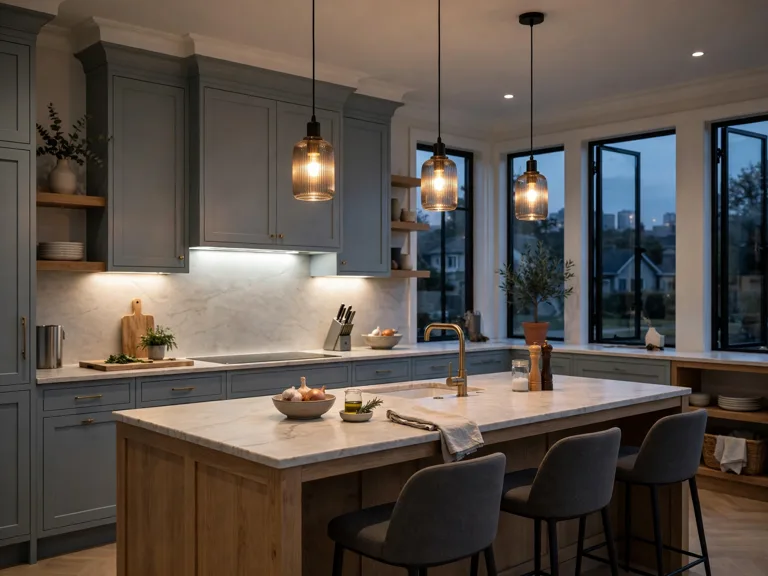
When choosing bulbs, match colour temperature across a zone — mixed warm and cool bulbs in one room look accidental — and check dimmer compatibility before buying, since flicker ruins even the prettiest pendant. A simple dimmer upgrade often improves a kitchen more than a new fixture does.
10. Neutral Color Palettes
Neutral colors are one of the most popular choices in modern kitchen design. Shades like white, grey, beige, and soft black create a clean and timeless appearance. These colors make the kitchen feel bright, open, and sophisticated. Neutral tones also work well with many materials such as wood, stone, and metal finishes. Designers often combine light cabinets with darker countertops to create contrast and visual interest. This color palette helps the kitchen remain stylish for many years without looking outdated. By keeping the colors simple and elegant, homeowners can create a modern kitchen that feels calm, balanced, and visually appealing.

Conclusion
Modern kitchen design focuses on creating a space that is both stylish and highly functional. From minimalist layouts and smart technology to natural materials and statement lighting, these trends help transform an ordinary kitchen into a beautiful and practical part of the home. Features like large kitchen islands, handleless cabinets, and hidden storage solutions make everyday cooking easier while maintaining a sleek and organized look. Neutral color palettes and bold backsplashes also add personality without making the space feel cluttered. By combining modern design elements with smart planning, homeowners can create a kitchen that feels elegant, comfortable, and perfect for daily living. Following these modern kitchen trends can help you design a space that is not only visually appealing but also efficient and enjoyable for years to come.